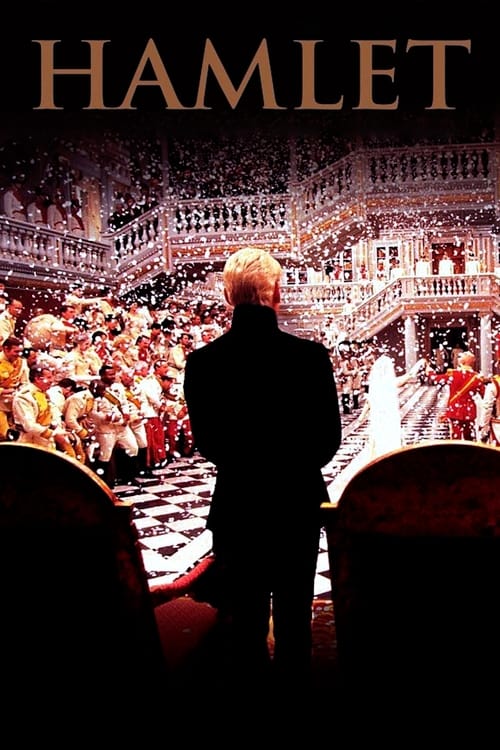
Hamlet
1996
No user ratings available yet
Representation score: 3.9 out of 10

Representation Score
Good
2000
RDirector
Michael Almereyda
Runtime
112 minutes
Average Rating
No ratings yetNew Showbiz Analysis
Almereyda’s adaptation succeeds by transplanting Shakespeare’s work into a contemporary, hyper-mediated corporate environment. The film's strength lies in its intellectual depth, using the setting to critique capitalist corruption and the erosion of privacy through surveillance technology. However, the film remains largely confined by the traditional structures of its source material. It struggles to move beyond conventional gender and patriarchal frameworks, often treating mental health issues as plot devices rather than nuanced explorations of identity. Ultimately, the work is a postmodern success that prioritizes systemic critique over social representation, offering a sophisticated look at institutional power while maintaining a traditional approach to character identities.
Category Breakdown
The film adheres closely to the original play's heterosexual framework. It does not include explicit LGBTQ+ relationships or non-binary gender identities, focusing instead on traditional romantic dynamics.
Characters like Gertrude and Ophelia face societal pressures that limit their autonomy. While Ophelia's descent into madness highlights restrictive social roles, the film does not fundamentally challenge the patriarchal system.
Set in New York City, the film showcases a diverse, multicultural environment. It adopts a color-blind approach to its world-building without making race a central plot element.
The film offers a sophisticated critique of Western institutions by portraying Elsinore as a corrupt corporation. It employs a secular perspective through themes of surveillance and moral ambiguity.
Mental instability and psychological fragmentation are central to the tragedy. However, these portrayals of distress remain tied to traditional notions of madness rather than exploring neurodivergence with ability to act.
Present on Screen
Limited or Absent
Official Synopsis
Modern day adaptation of Shakespeare's immortal story about Hamlet's plight to avenge his father's murder in New York City.
1996

1948

2000
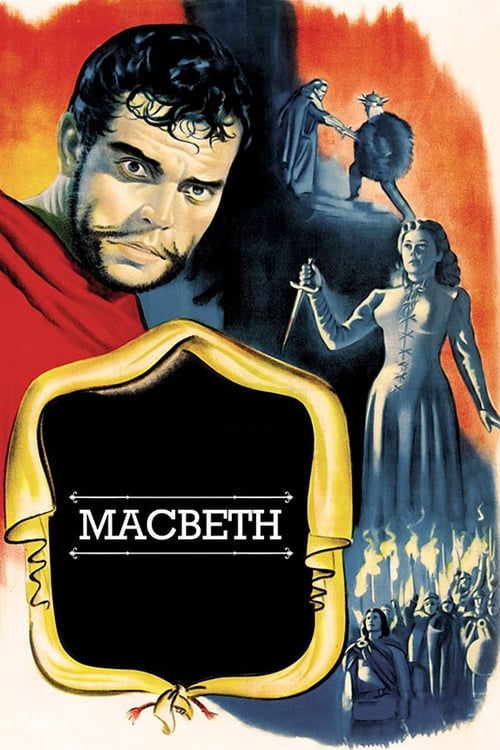
1948
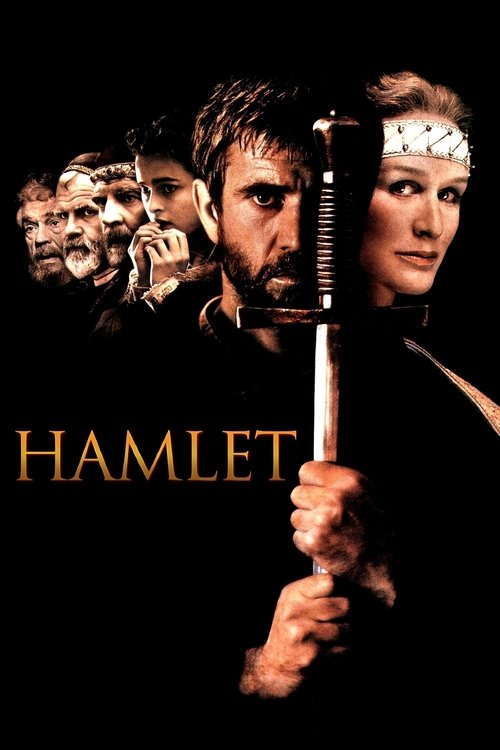
1990
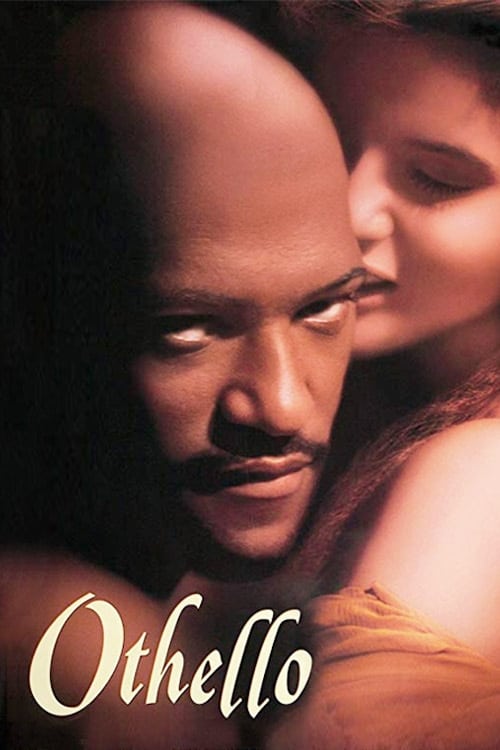
1995
2009
1999
No reviews yet. Be the first to share your thoughts on this movie!
Use the rating form above to leave a star rating and optional review.