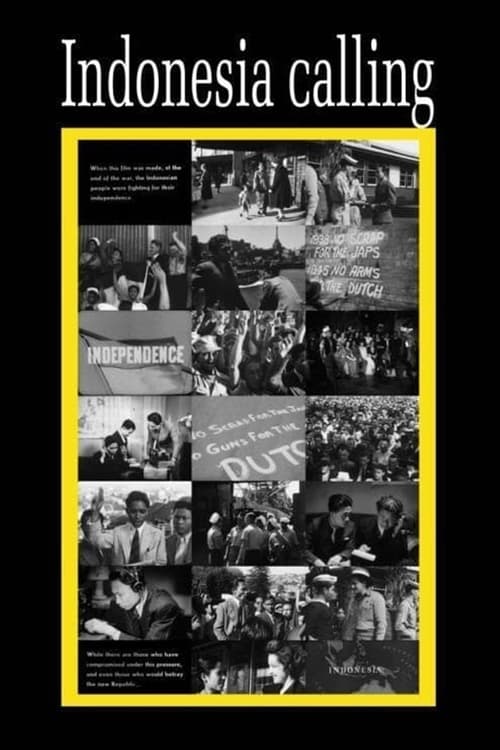
Indonesia Calling
1946
No user ratings available yet
Diversity score: 6.1 out of 10
1937
UnratedDirector
Joris Ivens
Runtime
53 minutes
Average Rating
No ratings yetSynopsis
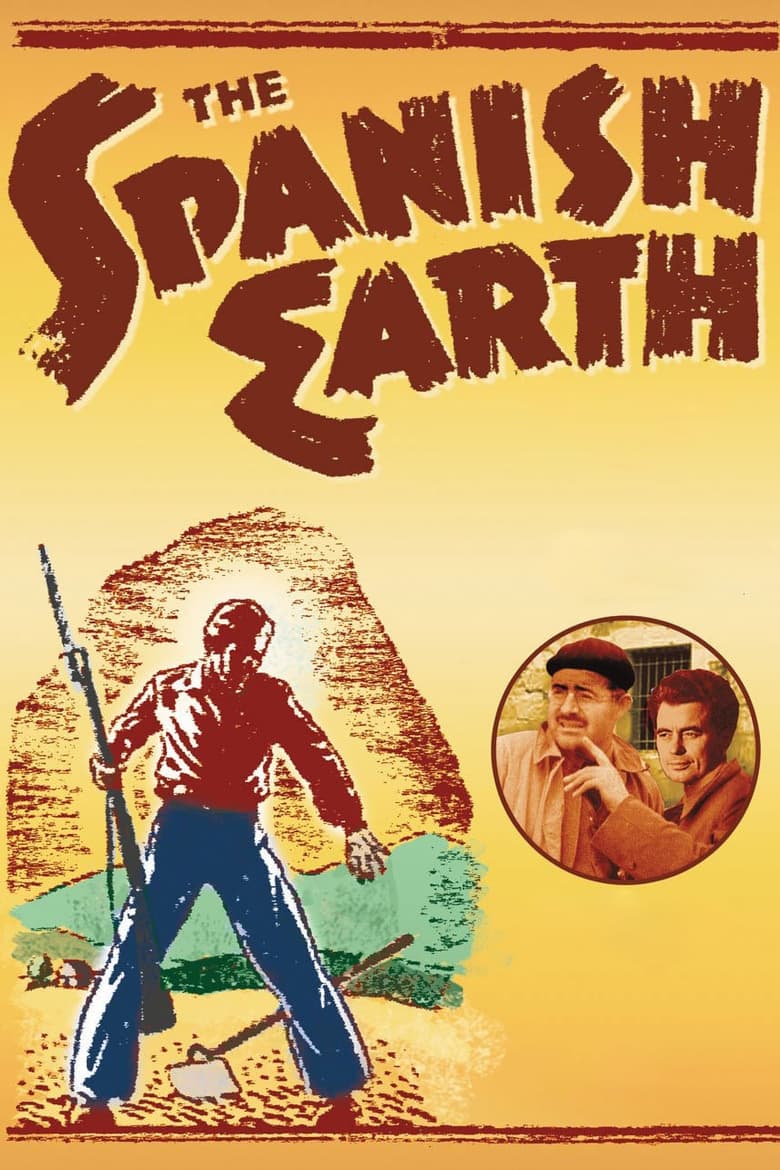
Joris Ivens’s advocacy documentary for the Republican cause intercuts a besieged Madrid with a nearby village digging an irrigation canal, linking the war to bread, land, and survival. Produced by the writers’ collective Contemporary Historians, edited by Helen van Dongen, scored by Marc Blitzstein, and narrated in its U.S. version by Ernest Hemingway (after an initial Orson Welles track), it blends frontline reportage with persuasion against Franco’s forces and their German–Italian backers.
Overall Score
Fair
Category Breakdown
LGBTQ+ Representation
The documentary focuses strictly on the material and military realities of the Spanish Civil War. There are no documented LGBTQ+ characters or narratives addressing non-cisnormative identities.
Gender Representation
Women are portrayed as integral to the survivalist struggle, appearing as nurses, workers, and civilians. The film avoids traditional domesticity to highlight their agency within the working class.
Racial & Ethnic Diversity
The film depicts a relatively homogeneous ethnic landscape typical of the era. However, it achieves diversity through a class-based lens, centering the shared identity of the peasantry.
Religious & Cultural Diversity
The film offers a profound anti-fascist critique, prioritizing the struggle of the common person over institutional stability. It emphasizes social justice through themes of land reform and socioeconomic equity.
Disability Representation
There is no significant focus on visible or invisible disabilities as a central narrative driver within the footage.
Strengths
Areas for Improvement
AI Analysis
The Spanish Earth is a seminal piece of advocacy cinema that prioritizes systemic critique over intersectional identity markers. It succeeds by humanizing the socio-political mechanics of the war through the lens of the working class. While the film lacks representation for LGBTQ+ identities and specific racial diversity, it excels in its cultural framework. By centering the peasantry and the fight for land and bread, it deconstructs the political status quo of the 1930s. Ultimately, the film's strength lies in its ability to elevate marginalized voices against oppressive fascist hierarchies, even if it does not address modern identity categories.
1946
2014
1943
1941
1985
1984

1939

1939
1923
1937
1977
1930
No reviews yet. Be the first to share your thoughts on this movie!
Use the rating form above to leave a star rating and optional review.