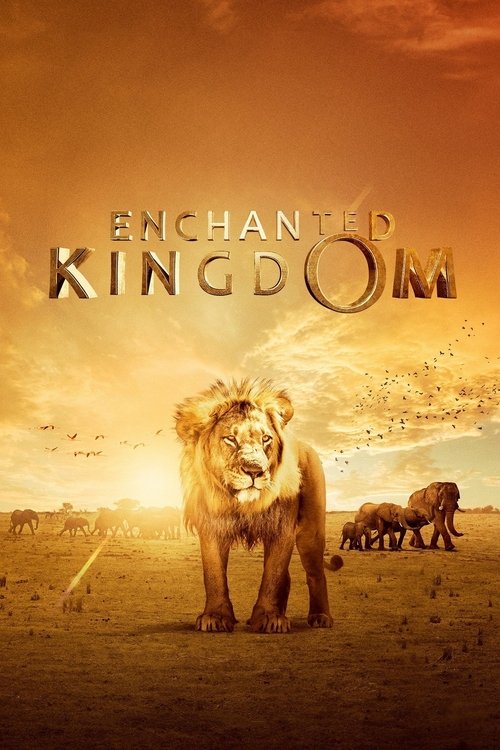
Enchanted Kingdom
2014
No user ratings available yet
Representation score: 0.6 out of 10
Representation Score
Good
2013
Director
Luc Jacquet
Runtime
78 minutes
Average Rating
No ratings yetNew Showbiz Analysis
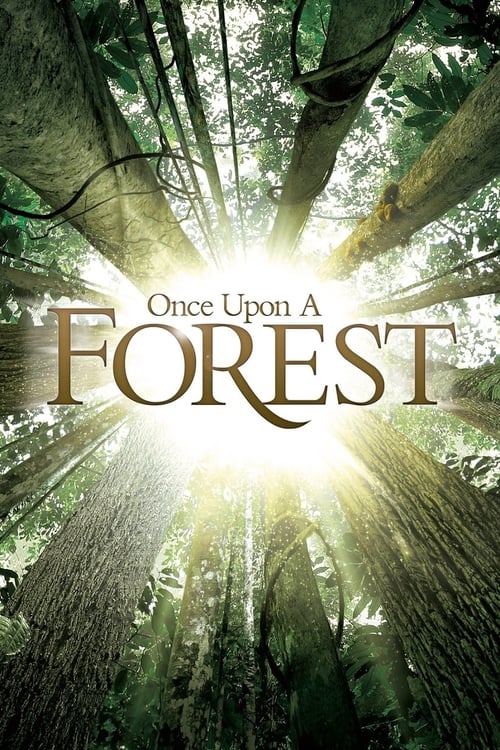
Luc Jacquet’s documentary shifts the cinematic lens away from human-centric structures toward a complex, interconnected biological ecosystem. By elevating the ability to act of non-human entities, the film disrupts the expectation that cinema must revolve around human social hierarchies. The work functions as a meditation on ecological balance. It frames the environment as a sovereign entity rather than a resource to be managed, aligning with progressive environmental ethics. While the film does not engage with human identity politics, it performs a significant deconstruction of the 'human-as-center' cliché through its immersive, sensory-driven narrative.
Category Breakdown
The film focuses on non-human biological processes rather than human social identities, keeping the LGBTQ category neutral.
Without human protagonists, the film bypasses traditional gender hierarchies. ability to act is distributed among various species, de-centering human masculinity or femininity in favor of biological imperatives.
Operating in a non-human context, the documentary avoids anthropocentric racial hierarchies by presenting species diversity as a functional necessity for ecosystem stability.
The narrative challenges anthropocentric worldviews by prioritizing the forest's voice. It frames the natural world as a sophisticated, self-regulating system independent of human morality.
Biological struggles are depicted through natural selection rather than a social model of disability, avoiding the use of biological struggle as a mere plot device or inspiration porn.
Present on Screen
Limited or Absent
Official Synopsis
With Once Upon a Forest, Luc Jacquet invites the spectator into a never-before-seen world of natural wonder and staggering beauty. “For the first time, we will be able to watch a rain forest growing before our eyes…Only cinema can offer this unique voyage into a completely untamed universe, a world of perfect balance in which each living thing – from the smallest to the largest – plays an essential role. The film will deliver a complete sensory immersion in the primaeval splendor of one of nature’s richest mysteries, inviting the audience to enter, discover and marvel at a universe of untold treasures while joining its voice to the ever-growing awareness of the need to preserve our world.”
2014
2021
2023
2016
2012
2021
1997
2017
No reviews yet. Be the first to share your thoughts on this movie!
Use the rating form above to leave a star rating and optional review.