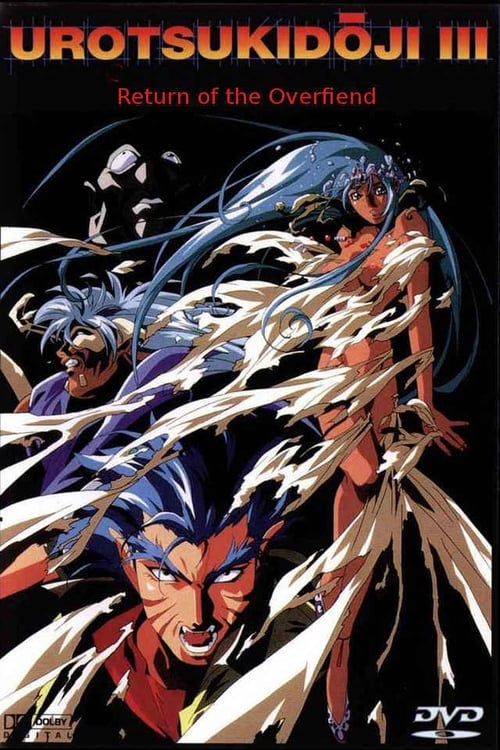
Urotsukidōji III: Return of the Overfiend
1993
No user ratings available yet
Representation score: 1.2 out of 10
Representation Score
Minimal
1989
Not RatedDirector
Hideki Takayama
Runtime
105 minutes
Average Rating
No ratings yetNew Showbiz Analysis
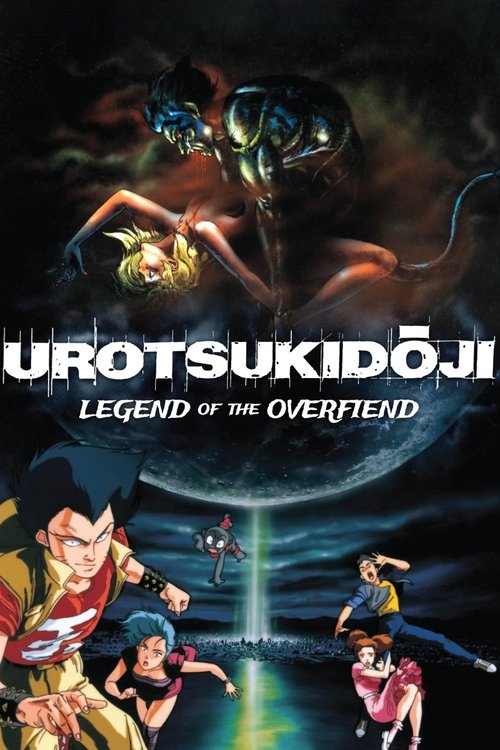
Urotsukidōji: Legend of the Overfiend is a dark fantasy that centers on cosmic horror and biological transgression. The narrative relies on traditional power structures and prioritizes shock value over the development of diverse identities. The film explores the breakdown of social order through supernatural means but fails to offer meaningful representation of underrepresented groups or nuanced character development. Ultimately, the work stays within the confines of its genre, lacking in progressive social or cultural inclusion.
Category Breakdown
The story focuses solely on heterosexual relationships and traditional reproductive roles. It does not include any characters who identify outside the cisgender norm.
Gender roles are defined by power dynamics and physical strength. Female characters are often passive victims of supernatural violence.
The film is set in a Japanese environment with a mostly Japanese cast. Non-human creatures are used as mythological symbols rather than explored for their cultural diversity.
The film depicts a society where traditional institutions are powerless against supernatural threats. It presents a bleak view of societal collapse and instability.
Mutations are portrayed as sources of horror rather than as lived experiences of disability. They are used primarily to evoke fear and shock.
Present on Screen
Limited or Absent
Official Synopsis
Legend has it that the human race is not the only dominant civilization living on Earth. Two other races exist in this world: the Makai (a demon race) and the Jujinkai (a half-man, half-beast race). Once every 3,000 years, a supreme being known as the Choujin (Overfiend) will emerge and bring balance to all three realms on Earth. In present-day Japan, after 300 years of endless searching, a Jujinkai named Amano Jyaku has discovered the presence of the Choujin inside high school slacker Tatsuo Nagumo. But now, Amano, along with his sister Megumi and their sidekick Kuroko, must protect Nagumo and his new girlfriend Akemi Ito from the Makai, who believe that Nagumo is not the Choujin, but an evil entity bent on destroying all living beings on Earth.
1993
1988
1993
1987
1991

1987
2005
1991
No reviews yet. Be the first to share your thoughts on this movie!
Use the rating form above to leave a star rating and optional review.