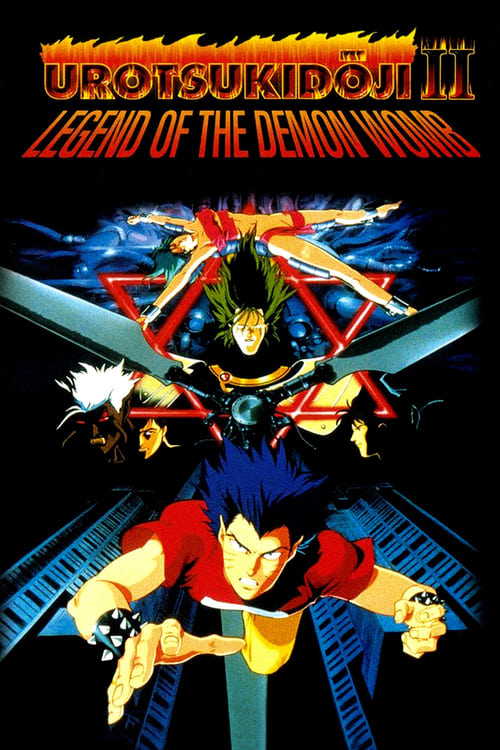
Urotsukidōji II: Legend of the Demon Womb
1991
No user ratings available yet
Representation score: 3.5 out of 10
Representation Score
Minimal
1993
Director
Hideki Takayama
Runtime
135 minutes
Average Rating
No ratings yetNew Showbiz Analysis
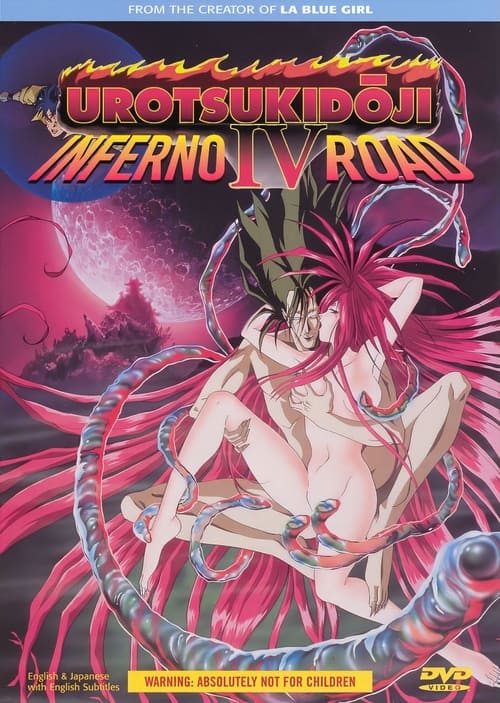
Urotsukidōji IV: Inferno Road presents a bleak, male-dominated fantasy where demons rule a ruined Earth. The narrative centers on heterosexual conflict and sexual violence, leaving no room for LGBTQ+ presence or gender-balanced agency. Women are reduced to victims or objects, while male figures monopolize power and action. Religious symbols are repurposed as aesthetic horror, and authority is depicted as corrupt and self-serving. This cultural framing leans into moral decay rather than spiritual depth. The cast is uniformly Japanese, with no racial or ethnic diversity in human or demon factions. The film’s extreme erotic horror conventions shape its representation: cruelty is normalized, and progressive inclusion is absent. Evidence from the synopsis and franchise context supports these observations, though specific scene-level detail is limited.
Category Breakdown
No LGBTQ+ characters or same-sex romance appear in this installment. The story focuses on heterosexual demonic conflict and sexual violence.
Male demons control the narrative and commit most of the violence. Women are primarily sexualized objects or victims of assault, with no independent leadership roles shown.
The cast and characters are almost entirely Japanese. No characters of other races appear, and there is no cross-cultural casting or diversity in the demon factions.
Traditional religious imagery is used for horror rather than reverence. Authority figures are corrupt and cruel, while extreme violence and moral decay are normalized throughout the wasteland setting.
No characters with physical or mental disabilities appear. The film’s focus remains on supernatural monsters and sexual violence rather than human conditions.
Present on Screen
Limited or Absent
Official Synopsis
It is the age of the Overfiend, and flesh-hungry monsters rule the Earth. Immortal half-demon Amano Jyaku travels the wasteland, witness to the rape and torture of the human race. The last hope for humanity is the demonic Lord of Chaos, the Overfiend's natural enemy. Will the world survive their final battle?
1991
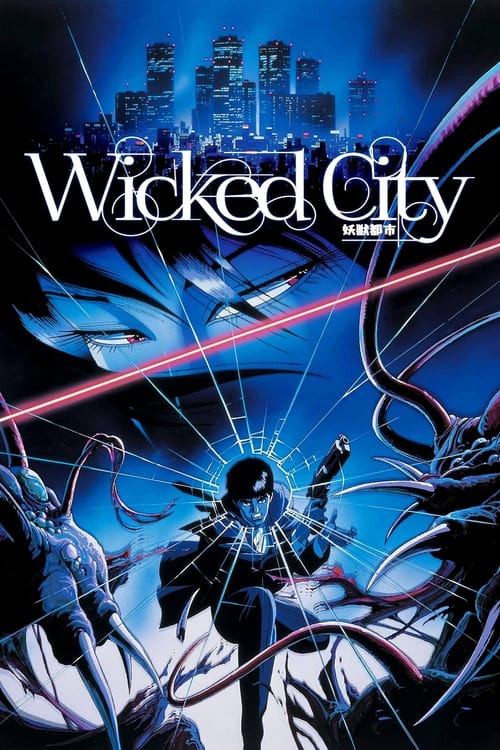
1987
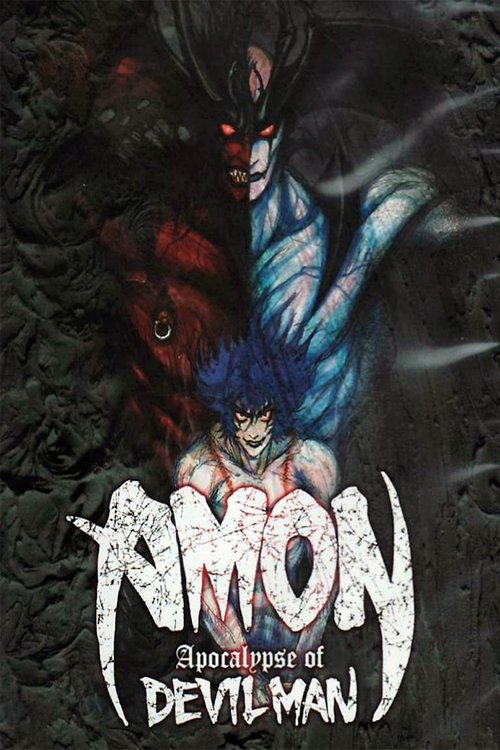
2000
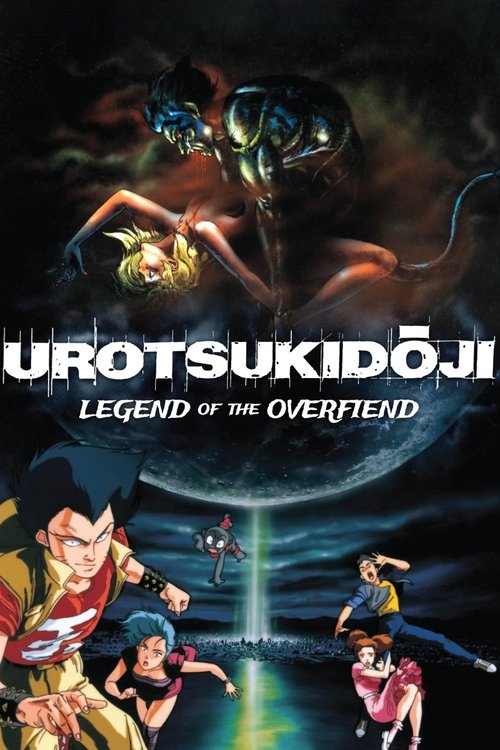
1989
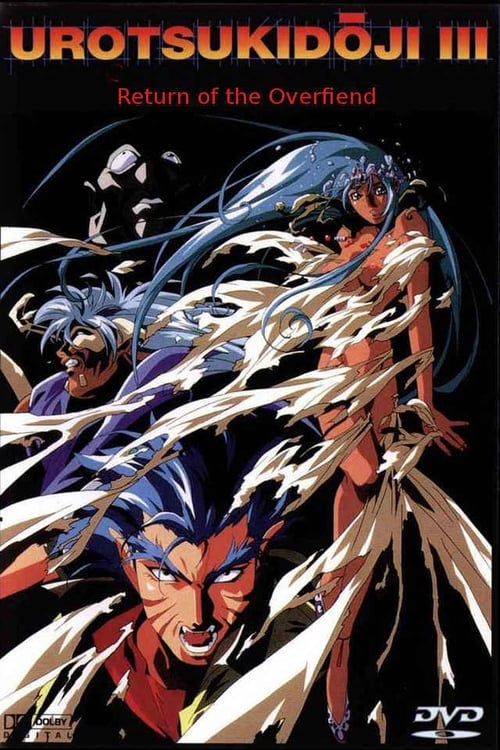
1993

1985
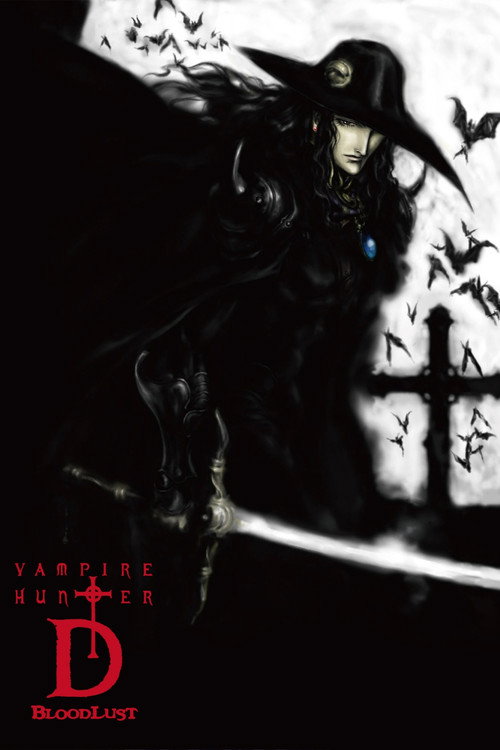
2001
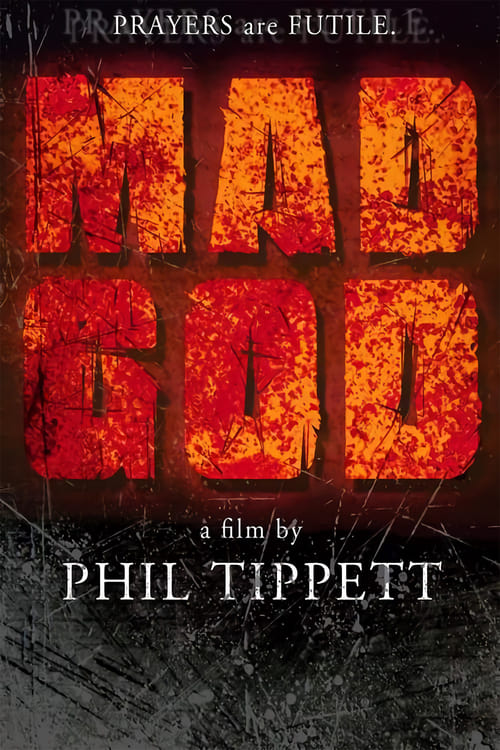
2014
No reviews yet. Be the first to share your thoughts on this movie!
Use the rating form above to leave a star rating and optional review.