
Elementalors
1995
No user ratings available yet
Representation score: 6.3 out of 10
Representation Score
Good
2005
NRDirector
Keiichi Sato, Hiroshi Yamazaki
Runtime
80 minutes
Average Rating
No ratings yetNew Showbiz Analysis
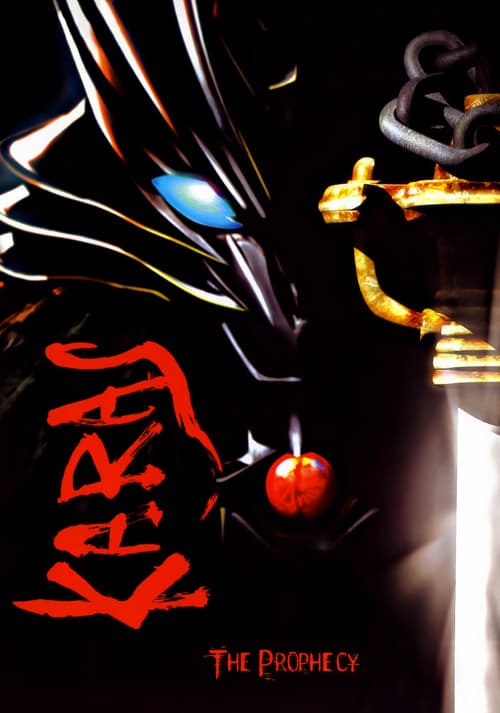
Karas: The Prophecy uses a high-concept fantasy setting to explore power dynamics and the tension between established orders and emerging ability to act. Its strength lies in using metaphysical conflict to challenge traditional hierarchies and explore systemic upheaval. While the film lacks explicit focus on specific identity-based demographics, it uses spiritual metaphors to navigate different social and existential identities. However, the film's reliance on genre clichés and combat-oriented plots limits its visibility in representing disability and explicit LGBTQ+ identities, keeping the diversity profile centered on metaphysical rather than social identities.
Category Breakdown
The film focuses on platonic or duty-bound connections between spiritual entities and humans, without explicitly depicting LGBTQ+ identities or romantic relationships.
Yurine, a female-coded entity, challenges masculine authority and drives systemic change by representing the will of the people.
Set in Tokyo, the film uses a Japanese aesthetic framework and employs spirits and demons as metaphors for diversity, exploring themes of otherness through the 'unseen' dimension.
The narrative critiques rigid institutions through a clash of ideologies, emphasizing spiritual fluidity and the deconstruction of traditional authority.
The film does not explicitly portray physical or neurodivergent disabilities, focusing instead on metaphysical abilities and combat prowess.
Present on Screen
Limited or Absent
Official Synopsis
Tokyo: a city populated by both humans and ghostly beings. They exist in both dimensions, seen and unseen: spirits, apparitions, demons. The balance between these two dimensions has long been upheld by the city's guardian crow Karas and his masters. But that balance has been thrown into disarray as Eko, a former Karas, has attempted to seize power and bring order to the streets through force. The entity Yurine, who represents the will of the people, stands in his way with her newly risen Karas. Now an ageless battle stretching across both dimensions and killing humans and spirits alike is in progress. Karas is humanity's last hope.
1995
1989
2014
1988
1988

2007
1996
1989
No reviews yet. Be the first to share your thoughts on this movie!
Use the rating form above to leave a star rating and optional review.