Wicked City
1987
No user ratings available yet
Representation score: 7.4 out of 10
Representation Score
Limited
1988
TV-MADirector
Yoshiaki Kawajiri
Runtime
80 minutes
Average Rating
No ratings yetNew Showbiz Analysis
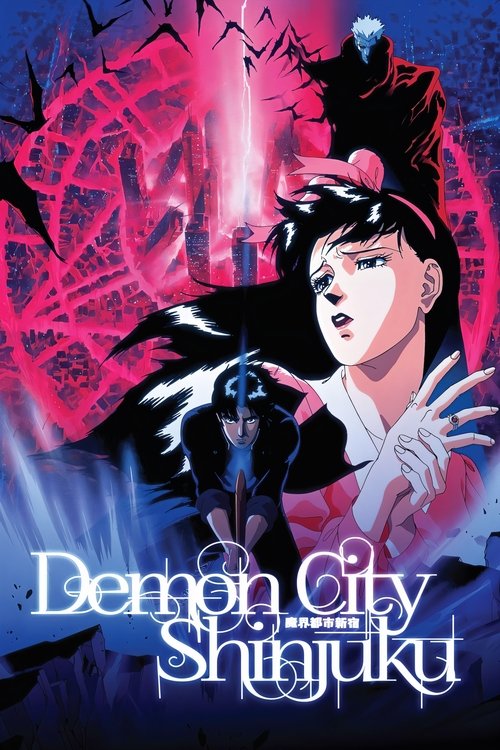
Demon City Shinjuku is a dark fantasy that excels in its atmospheric world-building and its critical deconstruction of societal structures. By showing the collapse of government and police authority, the film offers a sophisticated critique of institutional reliability. However, the film adheres to the demographic norms of its time. The character dynamics follow conventional gender roles, and the setting lacks ethnic diversity, focusing solely on a localized Japanese context. Ultimately, the film's strength lies in its postmodern perspective rather than its social representation. It questions the necessity of traditional societal pillars through its depiction of a lawless, demon-infested urban wasteland.
Category Breakdown
The film does not include any LGBTQ+ characters or explore non-straight relationships. The interpersonal relationships focus on traditional bonds in a survival scenario.
Saeko plays a key role in advancing the plot. However, the main physical actions and defense are handled primarily by the male protagonist, Kyoya.
The cast is mainly Japanese, reflecting the local Shinjuku setting. The film maintains a culturally specific atmosphere without aiming for multiculturalism.
The narrative critically examines the stability of institutions. It shows the total breakdown of government and civic order, emphasizing urban nihilism over established traditions.
There are no visible or hidden disabilities prominently featured. Such traits are not used as central character elements or plot devices.
Present on Screen
Limited or Absent
Official Synopsis
Ten Years ago, Genichiro Izayoi died trying to stop the sorcerer Rebi Ra, and as a result Shinjuku became a playground for demons. And now, the day approaches when Rebi Ra will complete his decade-long ritual to plunge the rest of the world into chaos! As Genichiro's son, it falls to Kyoya to venture into the heart of Shinjuku and put an end to the sorcerer his father couldn't beat. Can Kyoya exceed his father's legacy, or will the demons of Shinjuku create Hell on Earth?
1987
1989

1987
2018
1993
2003
1990
1989
No reviews yet. Be the first to share your thoughts on this movie!
Use the rating form above to leave a star rating and optional review.