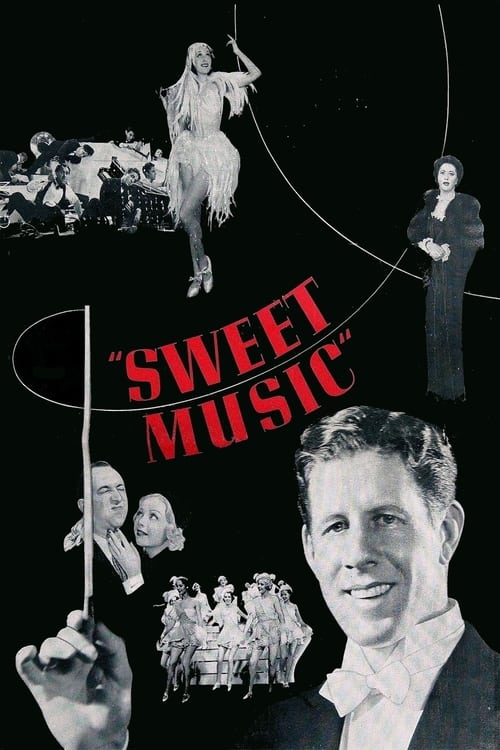
Sweet Music
1935
No user ratings available yet
Representation score: 1.4 out of 10
Representation Score
Good
1933
NRDirector
Lewis Milestone
Runtime
82 minutes
Average Rating
No ratings yetNew Showbiz Analysis
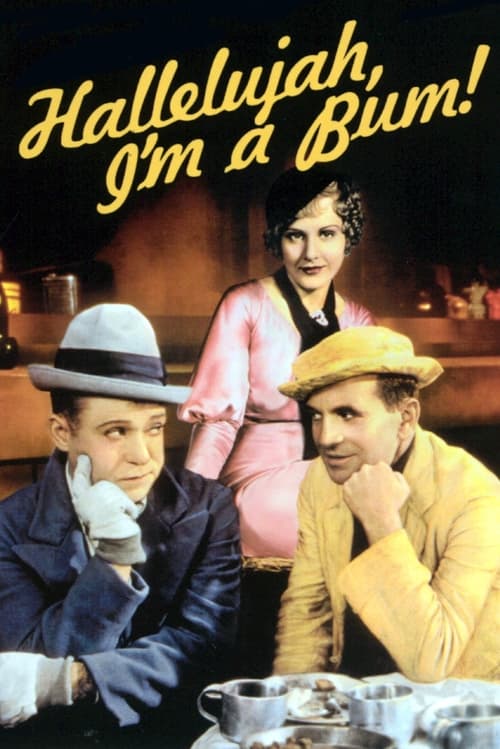
Lewis Milestone’s film serves as a critical social commentary that shifts the focus from individual moral failings to systemic economic instability. By documenting the lived experiences of the unemployed during the Great Depression, it challenges traditional clichés about poverty. The work is praised for its progressive narrative structure, which highlights the ability to act of Black and immigrant communities. It avoids the narrow focus on white characters common in early 20th-century cinema. However, the film is limited by the social constraints of the 1930s. It lacks representation for LGBTQ+ identities and specific portrayals of physical or neurodivergent disabilities.
Category Breakdown
The film does not include any characters or narrative arcs that address non-straight or non-cisgender identities. The focus remains on the socioeconomic conditions of the time period.
Women are shown navigating economic instability alongside men, actively managing survival strategies within the urban environment. However, gender dynamics are still tied to the social norms of the era without significant subversion.
The film highlights the diverse ethnic makeup of 1930s New York, centering on Black Americans and immigrant groups. It avoids a homogeneous white-centric narrative by focusing on their collective struggle against systemic neglect.
The narrative critiques Western economic institutions and the failure of capitalism, framing the desperation of the poor as a rational response to a flawed system rather than a moral failing.
The film does not feature specific, ability to act-driven portrayals of neurodivergence or physical disabilities. Instead, it captures the psychological strain of poverty and the hidden disability of systemic disenfranchisement.
Present on Screen
Limited or Absent
Official Synopsis
A New York tramp falls in love with the mayor's amnesiac girlfriend after rescuing her from a suicide attempt.
1935
1981

1931
1928
1930
1948
1944
1952
No reviews yet. Be the first to share your thoughts on this movie!
Use the rating form above to leave a star rating and optional review.