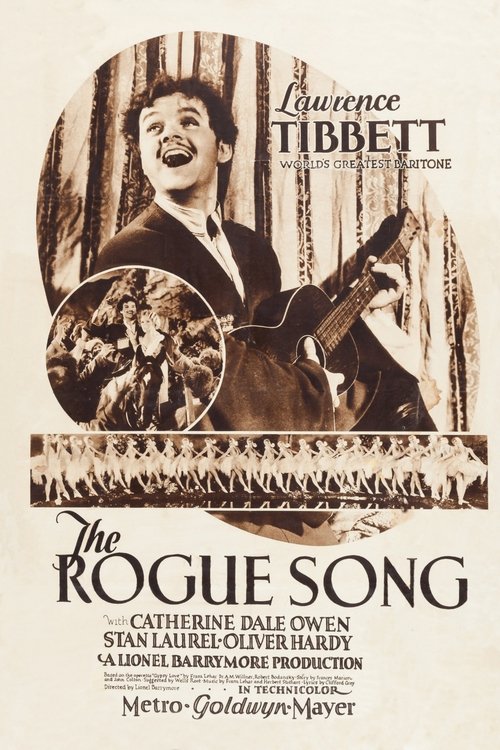
The Rogue Song
1930
No user ratings available yet
Representation score: 0.4 out of 10
Representation Score
Minimal
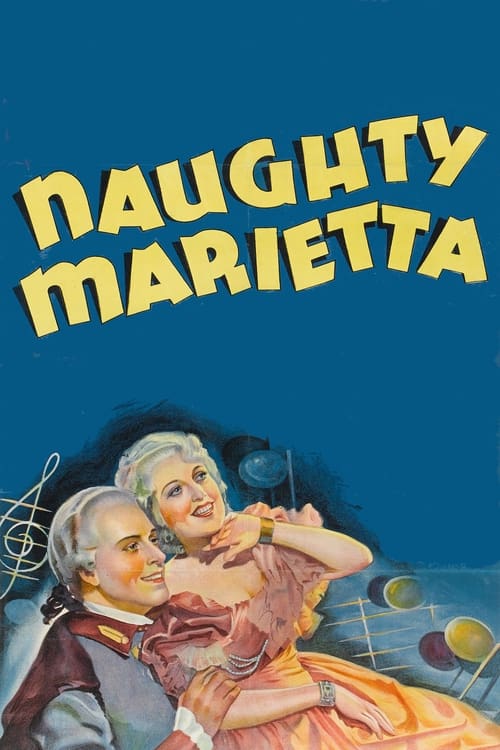
1935
NRDirector
W.S. Van Dyke
Runtime
103 minutes
Average Rating
No ratings yetNew Showbiz Analysis
Naughty Marietta serves as a quintessential example of 1930s studio era escapism. The film prioritizes high-production musical romance over any meaningful exploration of social hierarchies or diverse identities. The narrative structure reinforces the status quo of its time, relying on established genre conventions that favor conventional morality and traditional romantic formulas. Ultimately, the film lacks the complexity required to challenge the social structures of its era, functioning instead as a polished reinforcement of existing cinematic norms.
Category Breakdown
The film follows a strictly heterosexual romantic framework. There are no LGBTQ+ identities or critiques of traditional courtship present in the narrative.
Marietta shows some ability to act by escaping a prearranged marriage. However, her arc ultimately resolves into a traditional romantic pursuit within standard 1930s gender roles.
The cast is predominantly white and European-descended. Despite the New Orleans setting, the film ignores the racial complexities of the 18th-century colonial era.
The story uses a convent setting merely as a backdrop for secular romance. It prioritizes Western romantic ideals and escapism over any social or institutional critique.
No visible or invisible disabilities are portrayed. The narrative does not feature disability as a theme or a tool for character development.
Present on Screen
Limited or Absent
Official Synopsis
In order to avoid a prearranged marriage, a rebellious French princess sheds her identity and escapes to colonial New Orleans, where she finds an unlikely true love.
1930
1948
1940
1930
1936
1955
1931
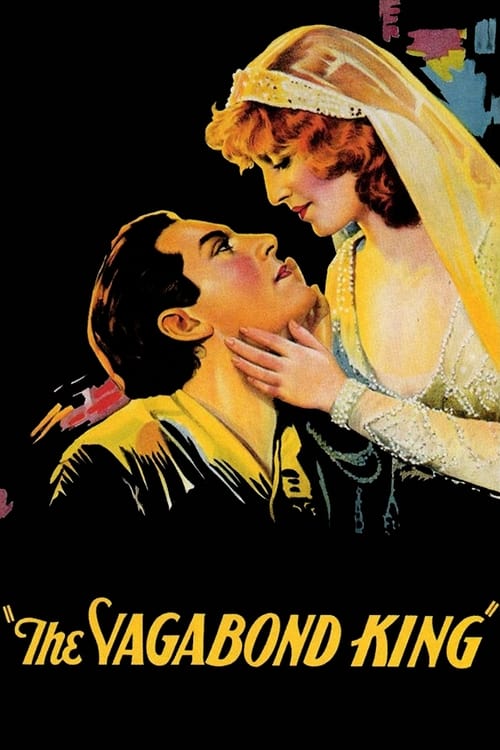
1930
No reviews yet. Be the first to share your thoughts on this movie!
Use the rating form above to leave a star rating and optional review.