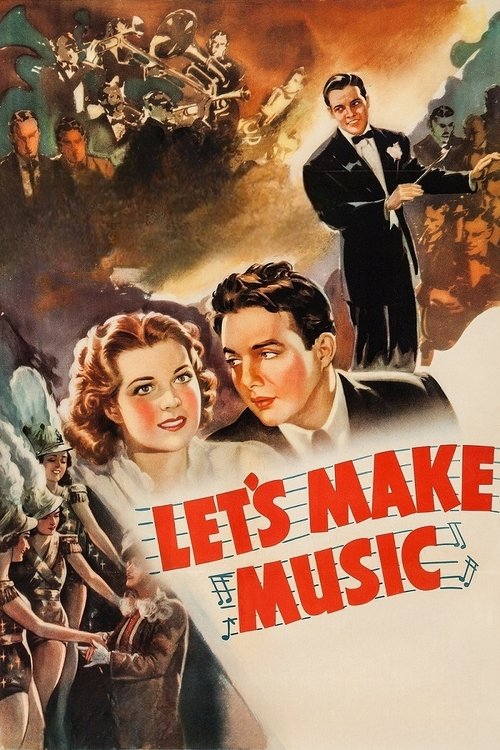
Let's Make Music
1941
No user ratings available yet
Diversity score: 2.5 out of 10
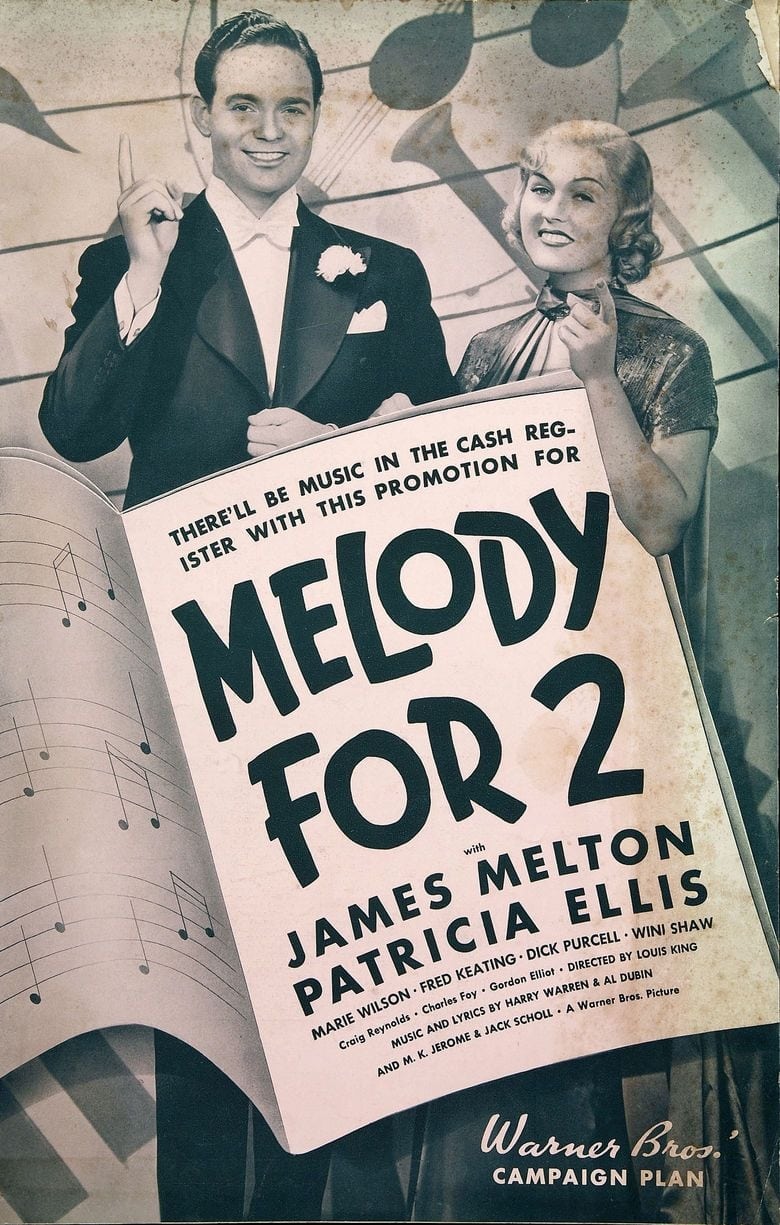
1937
ApprovedDirector
Louis King
Runtime
60 minutes
Average Rating
No ratings yetSynopsis
A singing bandleader signs on with an all-girls band.
Overall Score
Limited
Category Breakdown
LGBTQ+ Representation
The film follows traditional romantic tropes of the 1930s. There is no evidence of non-cisnormative identities or critiques of heteronormativity.
Gender Representation
Centering an all-female band disrupts traditional gender hierarchies and provides women with professional agency. However, the male bandleader may re-establish patriarchal oversight.
Racial & Ethnic Diversity
The film likely adheres to the era's standard demographic norms. There is no evidence of race-bent casting or a non-white majority.
Religious & Cultural Diversity
The narrative functions as 1930s musical escapism. It aligns with conventional social values rather than deconstructing Western institutions.
Disability Representation
The film contains no evidence of characters with visible or invisible disabilities.
Strengths
Areas for Improvement
AI Analysis
Melody for Two offers a glimpse into the gendered professional landscapes of the 1930s. Its primary strength lies in the subversion of musical authority by centering an all-female ensemble, which provides a rare moment of female economic and professional agency for the period. However, the film remains tethered to the era's standard social structures. The inclusion of a male bandleader suggests a return to traditional patriarchal hierarchies, and the romantic elements appear strictly heteronormative. Ultimately, the film lacks intersectional complexity. It functions more as a genre-driven musical romance than a work that critiques or expands upon the systemic social norms of its time.
1941
1930
1935

1948
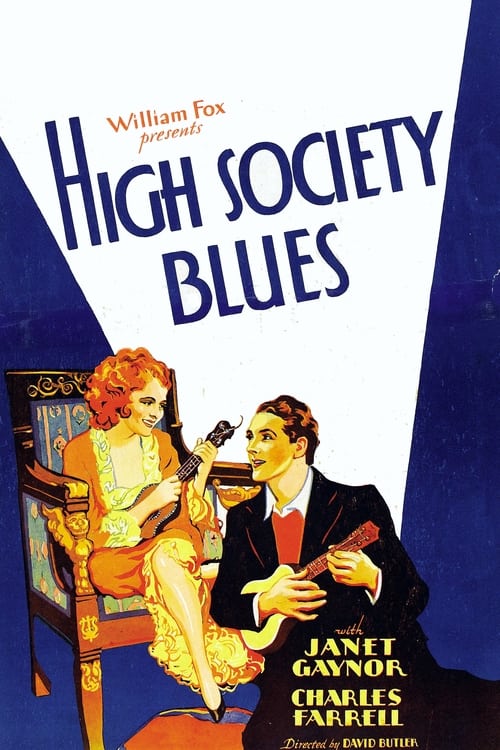
1930
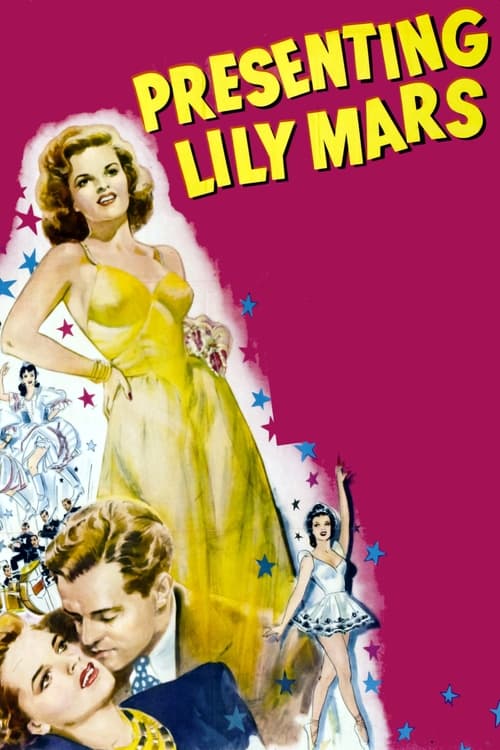
1943
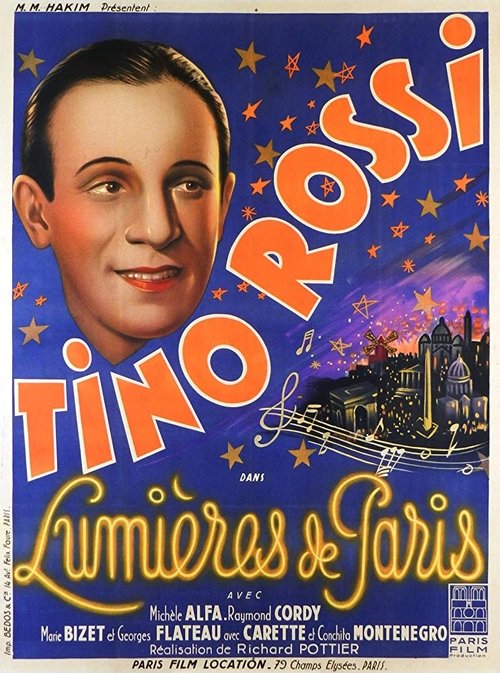
1938

1942

1935

1954
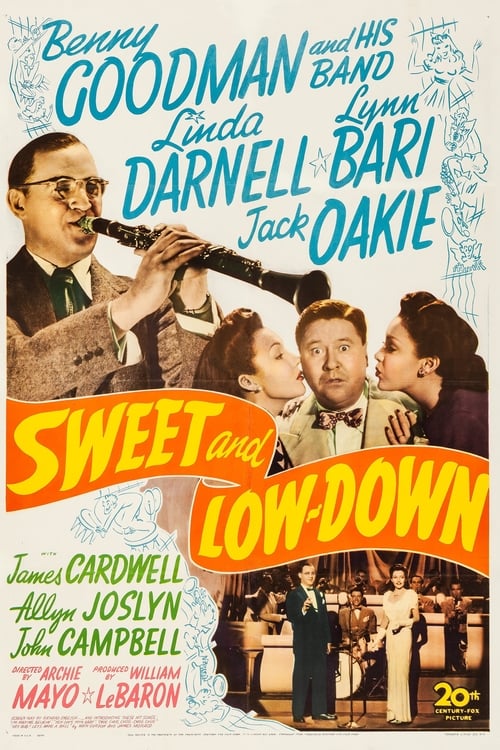
1944
1930
No reviews yet. Be the first to share your thoughts on this movie!
Use the rating form above to leave a star rating and optional review.