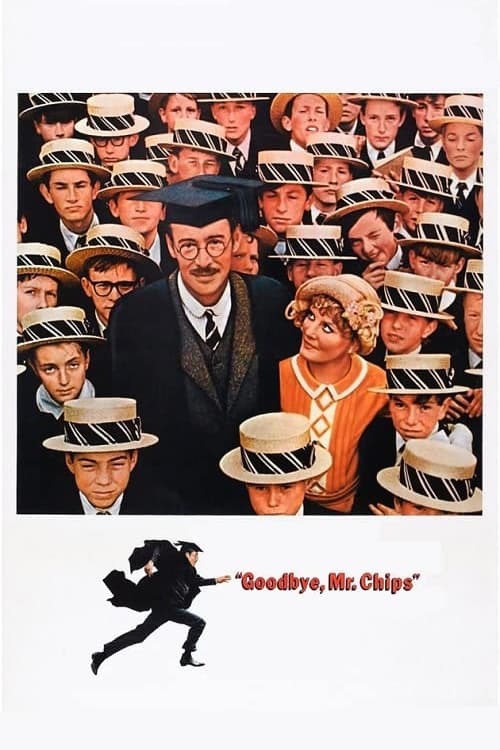
Goodbye, Mr. Chips
1969
No user ratings available yet
Diversity score: 1.8 out of 10
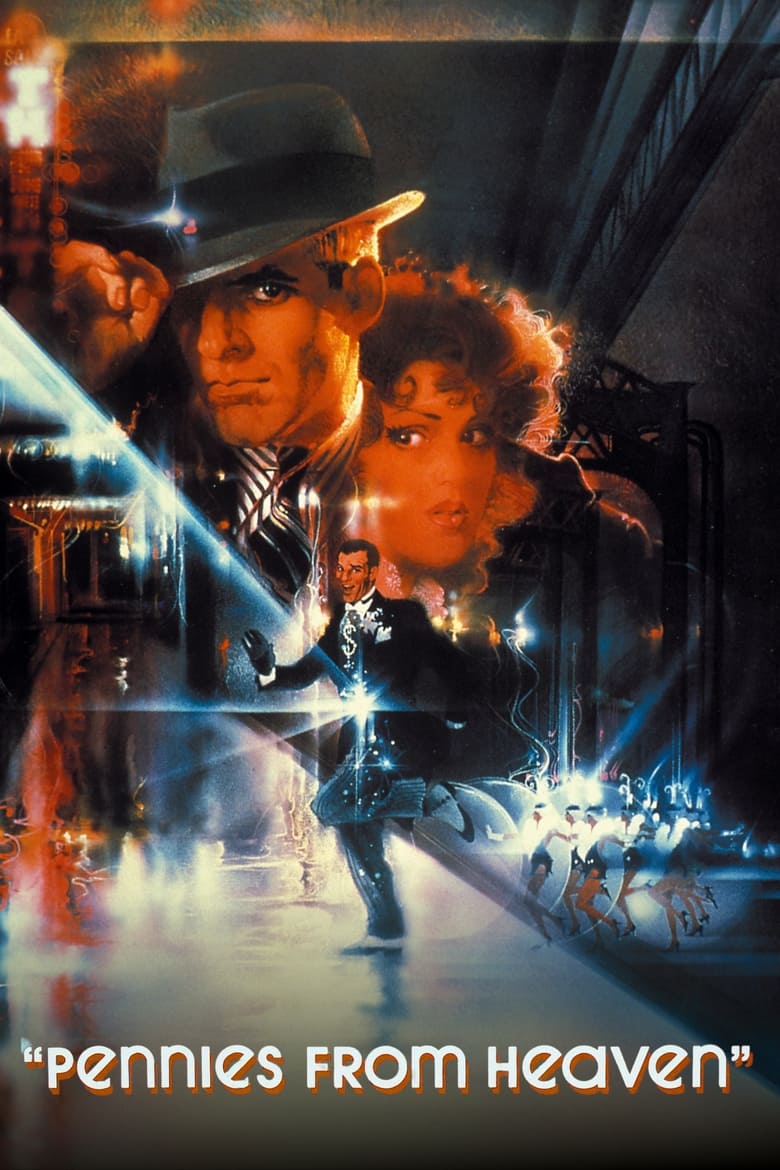
1981
RDirector
Herbert Ross
Runtime
108 minutes
Average Rating
No ratings yetSynopsis
During the Great Depression, a sheet music salesman seeks to escape his dreary life through popular music and a love affair with an innocent schoolteacher.
Overall Score
Fair
Category Breakdown
LGBTQ+ Representation
The film focuses entirely on heteronormative romantic entanglements. There is no evidence of queer subtext or non-cisnormative identities within the central character arcs.
Gender Representation
The narrative disrupts traditional hierarchies by centering the female protagonist's agency and internal desires. She navigates complex emotional landscapes rather than serving as a passive domestic figure.
Racial & Ethnic Diversity
The cast is largely homogeneous, reflecting the era's social constraints. The film lacks significant racial or ethnic diversity and does not utilize diverse ethnic perspectives.
Religious & Cultural Diversity
The film uses moral relativism to frame infidelity as a response to systemic desperation. It offers a subtle critique of 1930s economic structures and the hardships of the Depression.
Disability Representation
No significant depictions of physical or neurodivergent disabilities appear within the primary character arcs.
Strengths
Areas for Improvement
AI Analysis
Pennies from Heaven is a demographically traditional period piece that finds its strength in narrative sophistication rather than demographic breadth. While it lacks representation for LGBTQ+ and racial groups, it avoids the moral rigidity often found in Great Depression dramas. The film's progressive edge comes from its postmodern approach, using music to bridge the gap between bleak reality and escapist fantasy. It prioritizes emotional truth and female autonomy over historical realism. Ultimately, the work functions as a critique of systemic economic failure, using its characters' choices to challenge the idealized version of the American past.
1969

1992

1985
1950
1957

1966

1934

1950

1950

1941

1980

1957
No reviews yet. Be the first to share your thoughts on this movie!
Use the rating form above to leave a star rating and optional review.