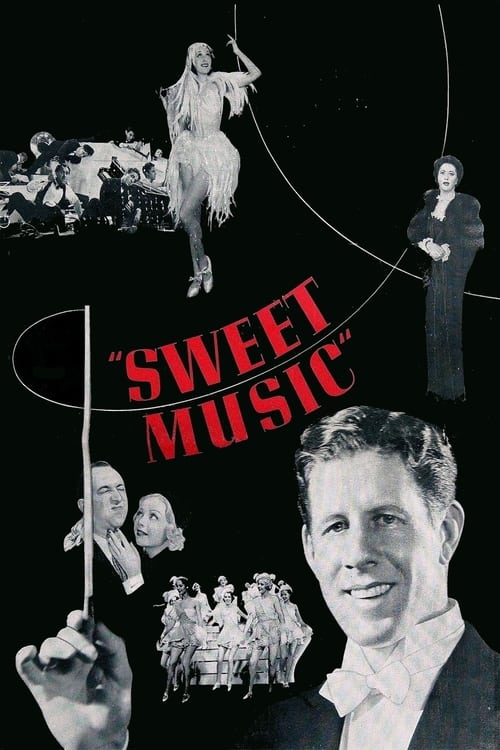
Sweet Music
1935
No user ratings available yet
Representation score: 1.4 out of 10

Representation Score
Minimal
1935
ApprovedDirector
Roy Mack
Runtime
20 minutes
Average Rating
No ratings yetNew Showbiz Analysis
The film is a standard genre piece reflecting the social norms of the mid-1930s. While it features a female protagonist with professional success, the narrative remains tied to traditional romantic hierarchies. The production lacks complexity or systemic critique, focusing instead on conventional themes and social structures.
Category Breakdown
The film does not include any queer narratives or non-straight identities. It follows the strict social and cinematic norms of the 1935 production era.
A female columnist demonstrates professional success, but the plot relies on traditional clichés that highlight her career achievements while contrasting them with her incomplete romantic life.
There is no indication of a multi-ethnic cast. The film seems to adhere to the homogeneous, Anglo-centric casting practices typical of 1930s musical shorts.
The story upholds conventional mid-20th-century romantic ideals. It emphasizes traditional courtship and romantic stability, reinforcing standard social structures.
There is no information about characters with physical or neurodivergent traits.
Present on Screen
Limited or Absent
Official Synopsis
In this musical short, a love columnist can't find her own love connection.
1935
1933
1937
1938
1934
1930

1932
1930
No reviews yet. Be the first to share your thoughts on this movie!
Use the rating form above to leave a star rating and optional review.