
Birth of the Blues
1941
No user ratings available yet
Representation score: 3.3 out of 10
Representation Score
Limited
1944
PassedDirector
Archie Mayo
Runtime
76 minutes
Average Rating
No ratings yetNew Showbiz Analysis
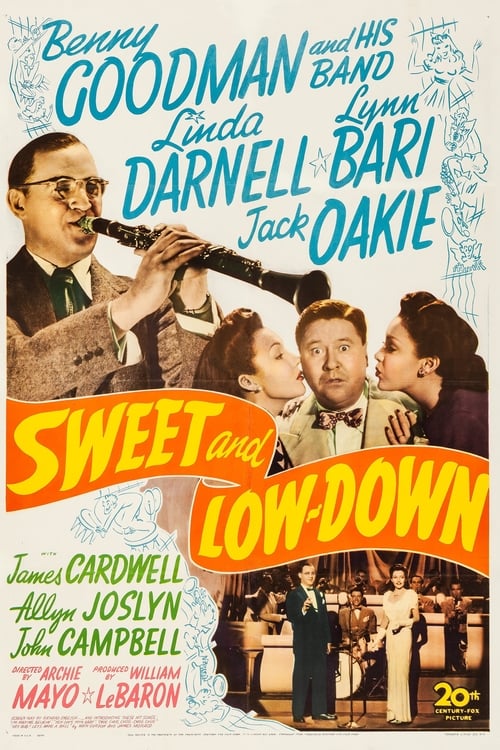
Sweet and Low-Down is a product of its time, reflecting the rigid social and professional hierarchies of the 1940s. While the film's demographic representation is limited, it moves beyond simple musical clichés to explore the darker side of stardom. The narrative deconstructs the myth of the self-made man by focusing on the exploitation of an uncredited creator. However, the film remains constrained by the era's standard studio practices, lacking meaningful roles for women and keeping Black musical innovators in supporting, peripheral roles.
Category Breakdown
The film adheres to the heterosexual standards of the 1940s. There is no representation of LGBTQ+ identities or queer subtext.
The narrative centers around male professional dynamics and competition. A female character exists but lacks the power to challenge the male-dominated industry hierarchy.
Black musicians appear in nightclub scenes but are kept on the periphery. The film reflects era-specific practices where performers from underrepresented communities are sidelined.
The story critiques the capitalist structures in the music industry. It examines the ethics of success built on the erasure of uncredited labor.
There is no visible or invisible disability represented in the film.
Present on Screen
Limited or Absent
Official Synopsis
After their annual free concert at Chicago's Dearborn Settlement, Benny Goodman and his band are packing up to go to their next engagement when a kid steals Goodman's clarinet. Goodman and Popsie pursue him to a tenement flat where he has led them to hear his brother play the trombone. Shenanigans ensue following Goodman's offering the brother a job with the band.
1941

1954

1935
1948
1942

1962

1947

1999
No reviews yet. Be the first to share your thoughts on this movie!
Use the rating form above to leave a star rating and optional review.