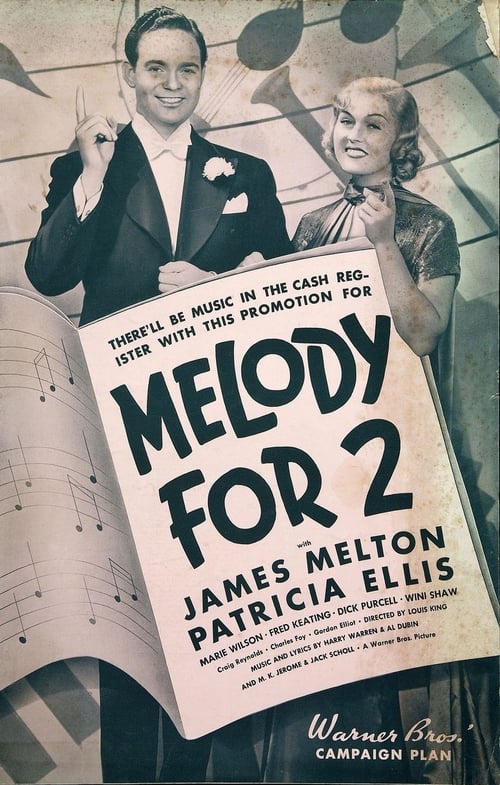
Melody for Two
1937
No user ratings available yet
Representation score: 3.2 out of 10
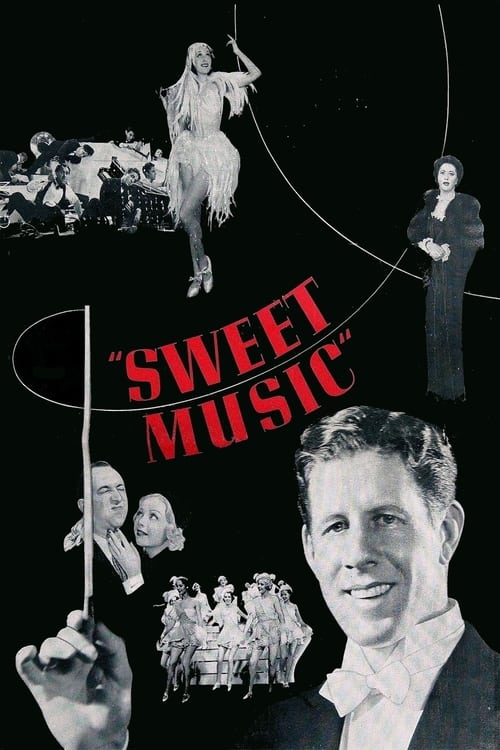
Representation Score
Minimal
1935
ApprovedDirector
Alfred E. Green
Runtime
100 minutes
Average Rating
No ratings yetNew Showbiz Analysis
Sweet Music is a quintessential product of the 1930s studio system, prioritizing genre-driven storytelling over social critique. The film follows a predictable musical romance structure, focusing on a male band leader and a female singer navigating a love-hate relationship. Since the film adheres to the era's conventional social hierarchies, it lacks meaningful representation for underrepresented groups. The narrative is centered on a Western-centric success arc that reinforces the status quo of the period. Ultimately, the film serves as a traditional period piece. It offers a standard romantic-musical framework that lacks the complexity needed to challenge established social norms.
Category Breakdown
The film does not include any non-cisgender identities or same-sex relationships. It centers on a heterosexual romantic tension between a male band leader and a female singer.
The story follows typical romantic tension clichés common in mid-century musical comedies. It adheres to traditional gender roles of the time, reinforcing a male-dominated hierarchy.
The production reflects the homogeneous casting practices of 1935. There is no evidence of significant non-white involvement or actors from diverse backgrounds.
The storyline emphasizes the pursuit of the American Dream and professional success in New York. It upholds traditional capitalist values without questioning the social structures.
The film does not mention any characters with visible or invisible disabilities. There is no information about neurodivergence or physical impairments.
Present on Screen
Limited or Absent
Official Synopsis
A midwest band leader and his lead singer share a love-hate relationship as they try for success in New York.
1937

1933

1941

1935

1942
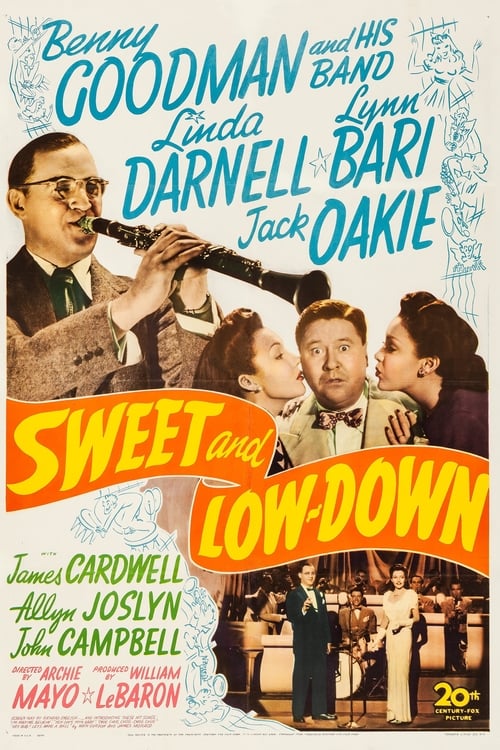
1944
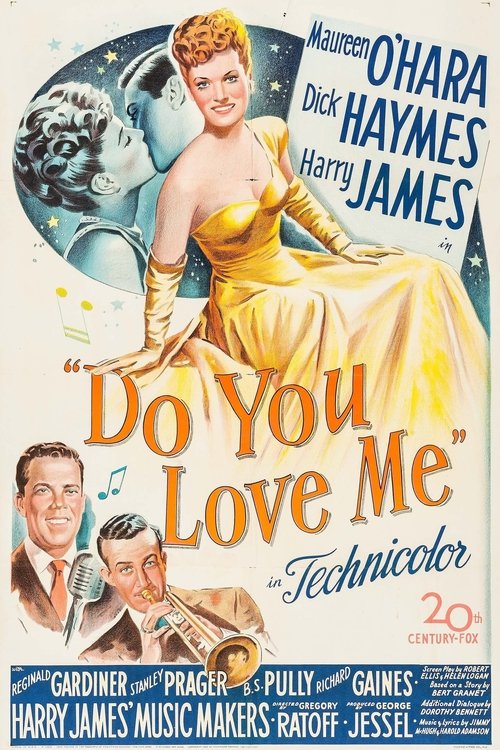
1946
1943
No reviews yet. Be the first to share your thoughts on this movie!
Use the rating form above to leave a star rating and optional review.