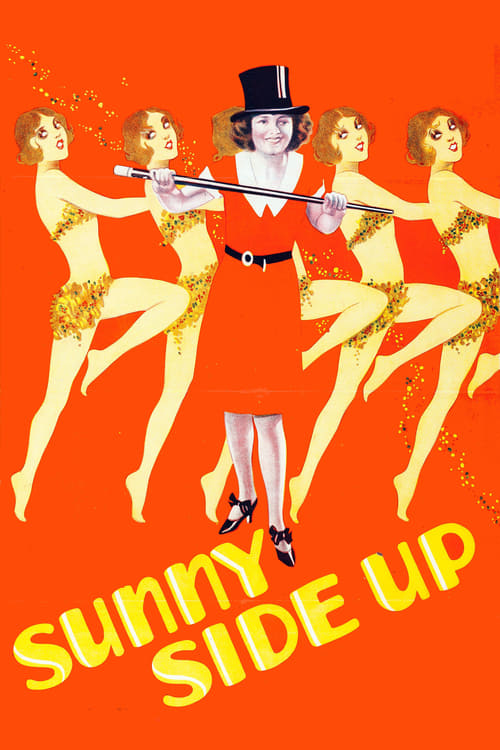
Sunny Side Up
1929
No user ratings available yet
Representation score: 1.6 out of 10
Representation Score
Minimal
1930
PassedDirector
David Butler
Runtime
102 minutes
Average Rating
No ratings yetNew Showbiz Analysis
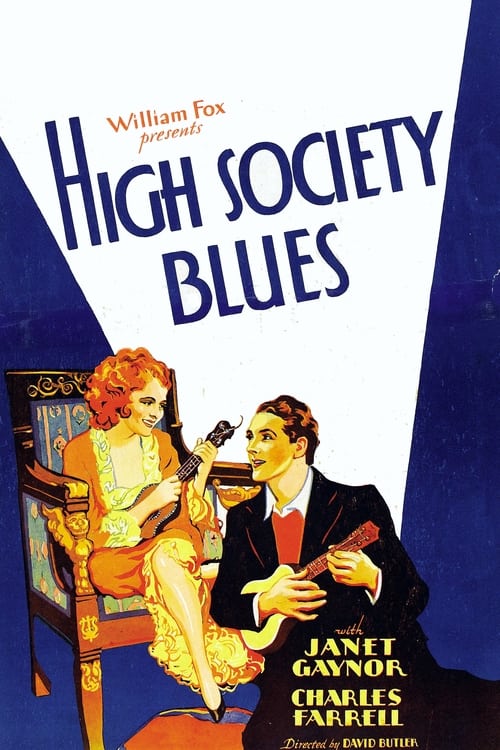
High Society Blues is a conventional social comedy that reflects the rigid social and cultural hierarchies of the 1930s. The narrative centers on class mobility, following a family's transition from rural Iowa to an affluent New York enclave. The film emphasizes traditional romantic themes and established social orders. It serves as a period piece that reinforces existing socioeconomic structures rather than challenging them. Overall, the work offers little disruption to the status quo, functioning as a typical example of early sound-era studio production.
Category Breakdown
The film does not include any characters with LGBTQ+ identities. It focuses on a traditional family and standard romantic themes.
The story centers around a traditional family structure and adheres to the gender roles typical of the time without challenging them.
The plot revolves around a class-based move from Iowa to New York. There is no indication of diverse ethnic representation or casting actors from different backgrounds.
The film upholds traditional Western social structures and capitalist hierarchies. It highlights the prestige of exclusive residential areas and economic stability.
There is no mention of characters with visible or invisible disabilities.
Present on Screen
Limited or Absent
Official Synopsis
After selling his business in Iowa, Eli Granger and his family move to an exclusive Scarsdale area in New York, where by chance he occupies a house adjacent to Horace Divine, a wealthy businessman with whom he made his business transaction...
1929
1933
1930
1937
1930
1935
1935
1954
No reviews yet. Be the first to share your thoughts on this movie!
Use the rating form above to leave a star rating and optional review.