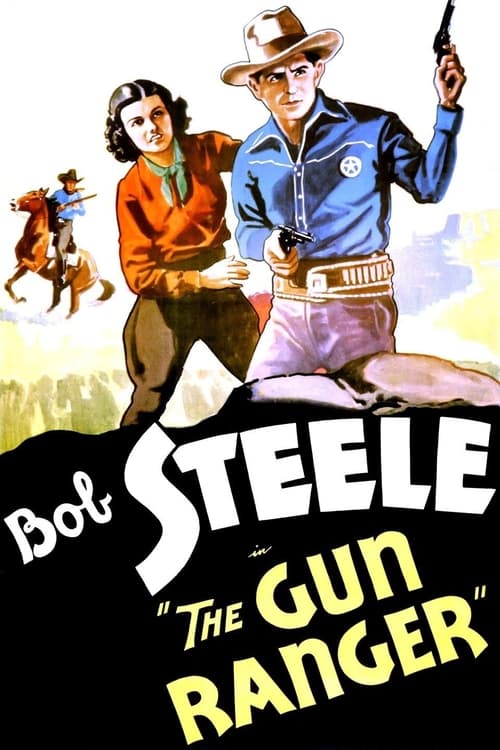
The Gun Ranger
1936
No user ratings available yet
Representation score: 0.8 out of 10
Representation Score
Minimal
1939
PassedDirector
David Howard
Runtime
62 minutes
Average Rating
No ratings yetNew Showbiz Analysis
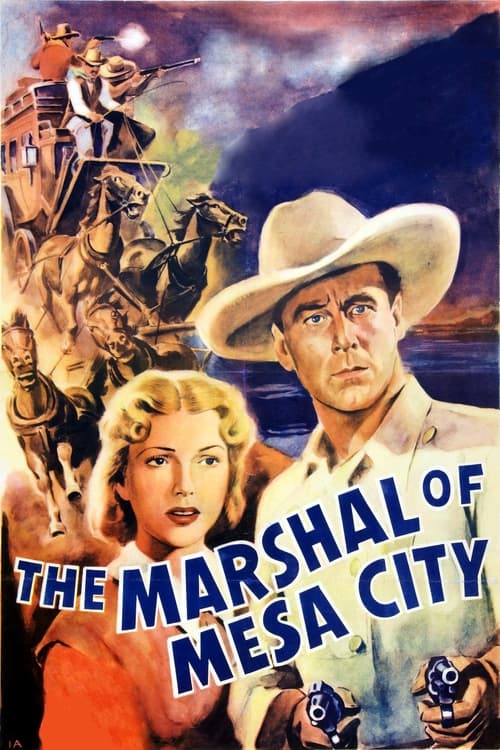
The Marshal Of Mesa City is a classic B-Western from 1939 that adheres to traditional frontier archetypes. The story revolves around a clear-cut conflict between law enforcement and outlaws, reinforcing a binary moral hierarchy and social order of the time. Since the film follows a predictable hero-versus-villain structure, it does not aim to challenge or diversify its demographic representation. Instead, it serves as a period-specific artifact that maintains conventional expectations. Overall, the film offers a narrow perspective of the frontier, emphasizing a masculine power structure and a homogeneous social order.
Category Breakdown
The film does not include any LGBTQ+ identities or characters. It focuses solely on heterosexual relationships without any queer themes.
Female characters play supporting roles or romantic interests. They do not have significant leadership positions or ability to act compared to male characters.
The cast is predominantly white, with no significant representation of diverse racial or ethnic backgrounds.
The film upholds traditional Western values and portrays law enforcement positively. It presents a clear moral distinction between the hero representing order and the villain representing chaos.
There are no visible characters with physical or neurodivergent disabilities in the film.
Present on Screen
Limited or Absent
Official Synopsis
A retired lawman gets back into action to fight political corruption.
1936
1939
1943
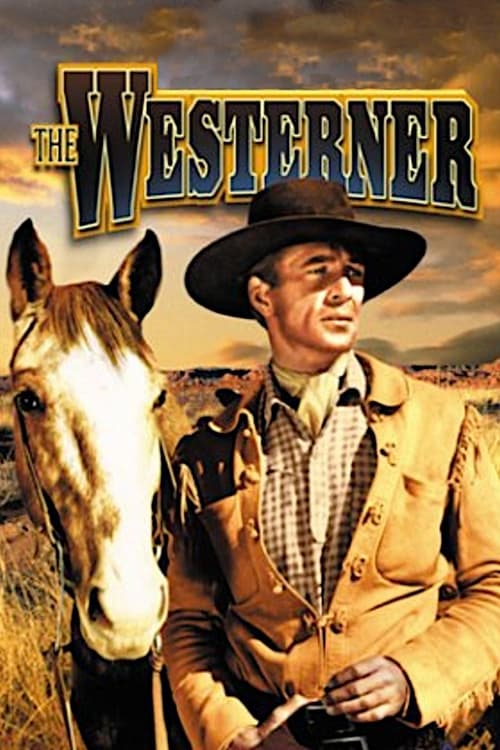
1940
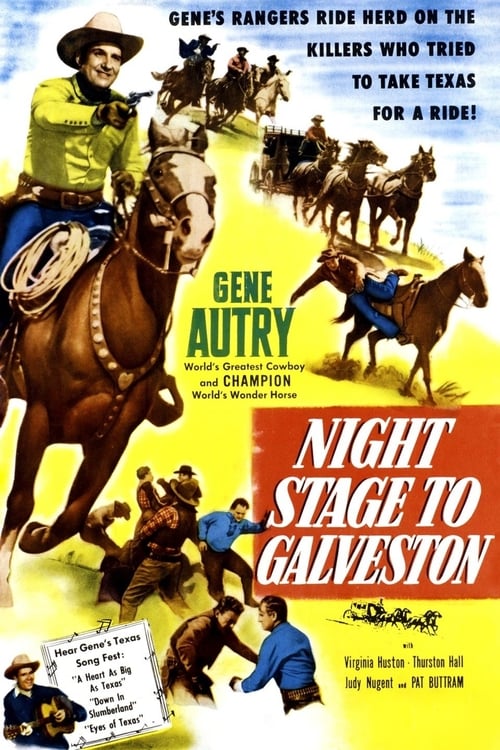
1952
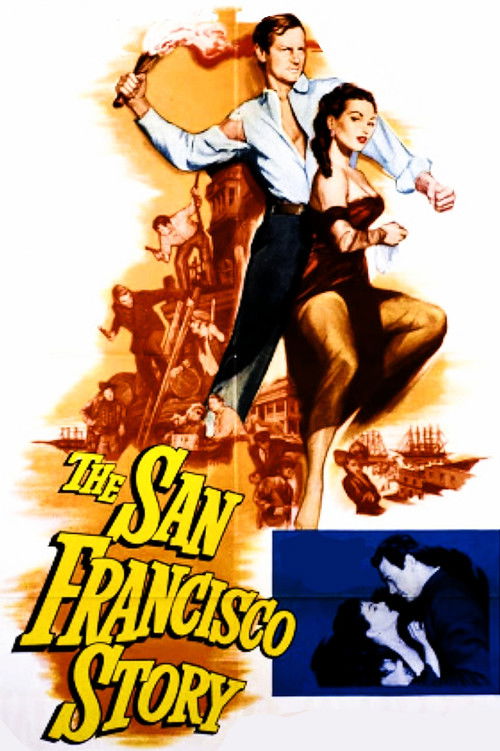
1952
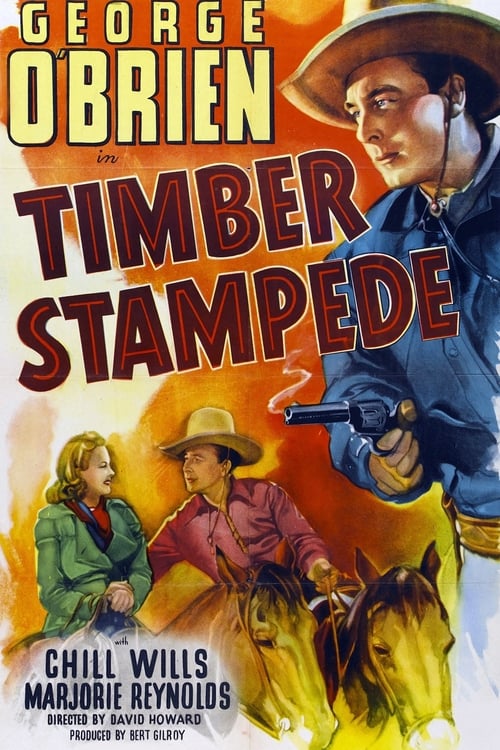
1939
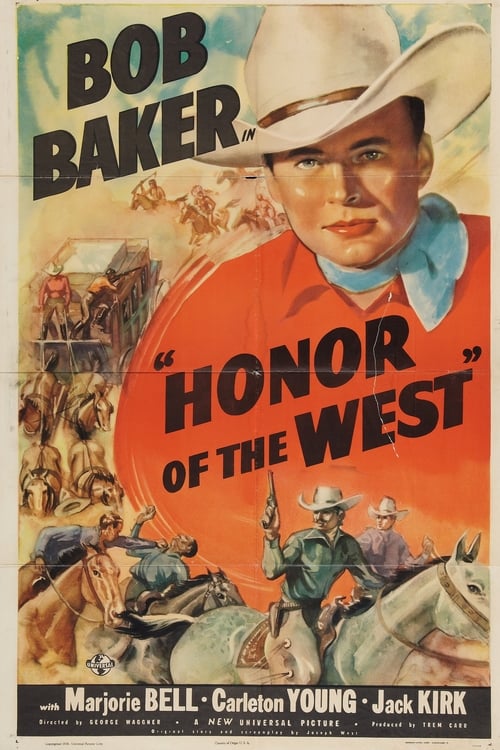
1939
No reviews yet. Be the first to share your thoughts on this movie!
Use the rating form above to leave a star rating and optional review.