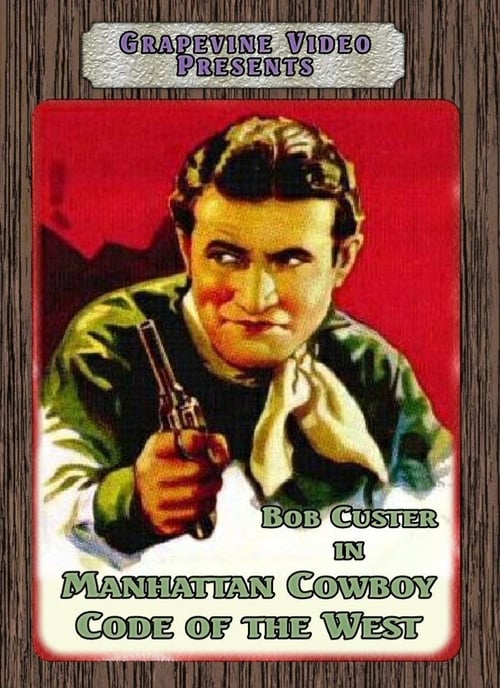
Code of the West
1929
No user ratings available yet
Diversity score: 1.9 out of 10
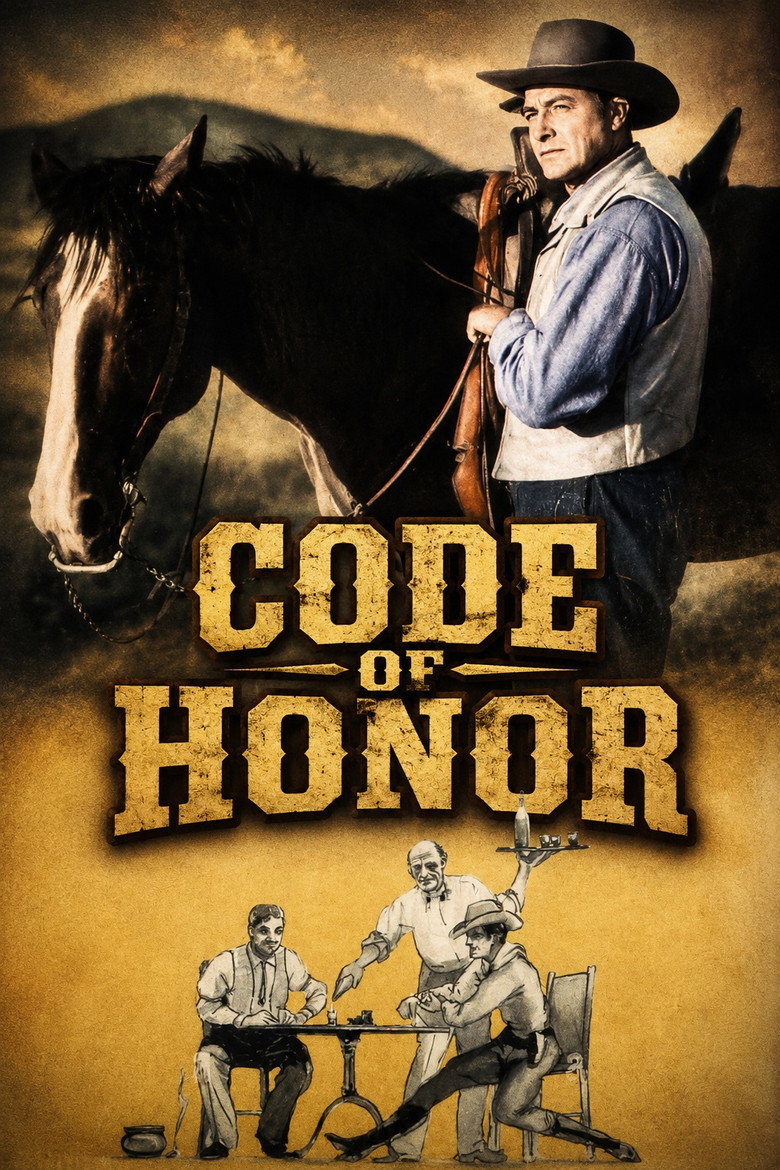
1930
PassedDirector
J.P. McGowan
Runtime
55 minutes
Average Rating
No ratings yetSynopsis
Cardsharp Jack Cardigan decides to go straight when he meets Doris Bradfield, but is forced to use his talents on behalf of her dad, whose land-grant title has fallen into the hands of Jed Harden through the gambling weakness of Bradfield's son Tom.
Overall Score
Limited
Category Breakdown
LGBTQ+ Representation
The film lacks any evidence of non-cisnormative identities or same-sex intimacy. It follows a traditional heteronormative structure centered on the male protagonist and female lead.
Gender Representation
Gender roles follow a traditional hierarchy. While Doris Bradfield acts as a moral catalyst for Jack, the central socioeconomic conflicts are driven entirely by male characters.
Racial & Ethnic Diversity
The film maintains a homogeneous racial profile typical of 1930s Westerns. It centers on Anglo-Saxon protagonists without evidence of a diverse cast.
Religious & Cultural Diversity
The narrative focuses on traditional Western values like honor and property rights. It seeks to restore a perceived natural order rather than challenging social institutions.
Disability Representation
There are no visible or invisible disabilities depicted in the story. No characters utilize disability as a plot device or narrative element.
Strengths
Areas for Improvement
AI Analysis
The Code of Honor is a conventional 1930s Western that prioritizes genre tropes over social complexity. The narrative is built around a restorative moral arc, focusing on masculine agency and the protection of land rights. Representation is limited by the era's standard practices. The film reinforces traditional social hierarchies, with men driving the physical and economic conflicts while women serve primarily as moral motivators. Ultimately, the film functions as a standard period piece. It lacks the intentionality to disrupt or explore diverse identities, instead adhering to the heteronormative and homogeneous norms of early Hollywood Westerns.
1929
1929
1930
1929
1930
1930
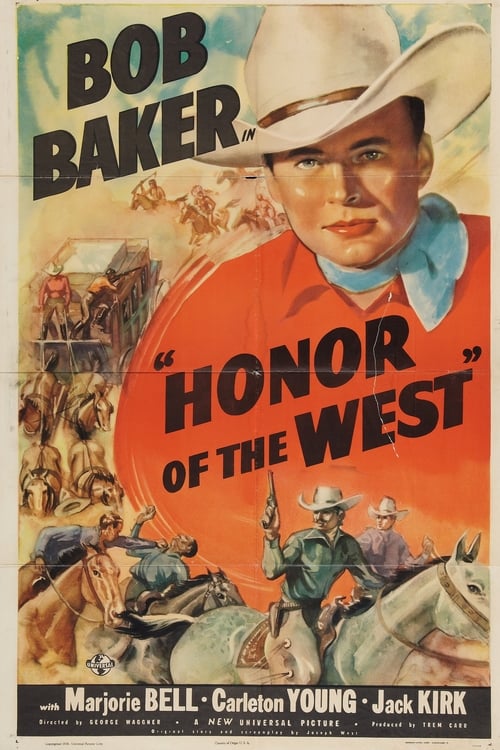
1939
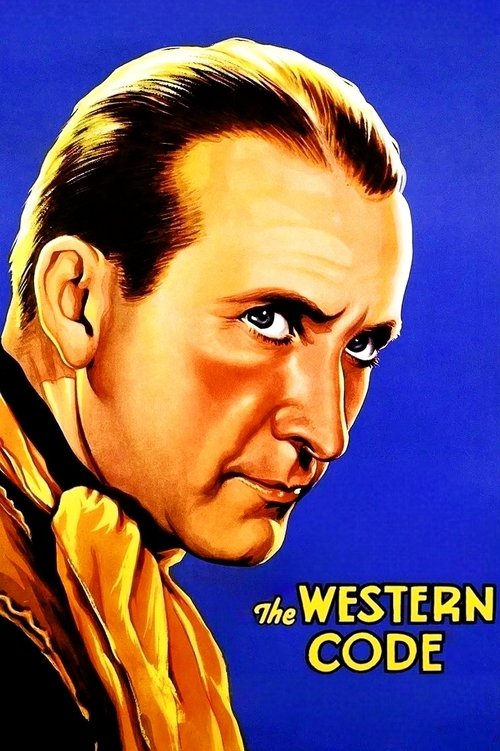
1932
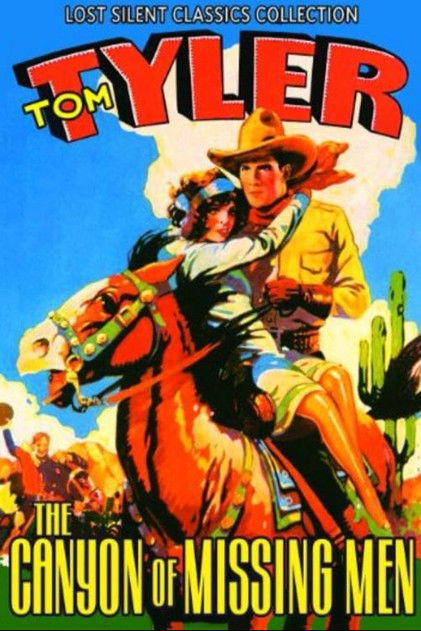
1930
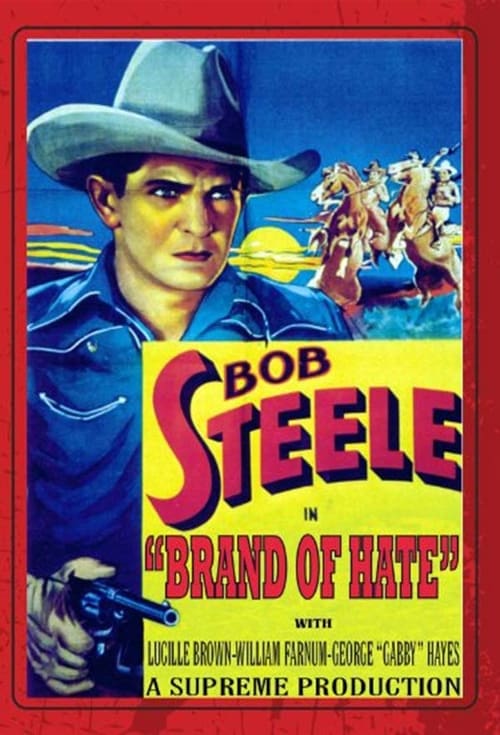
1934
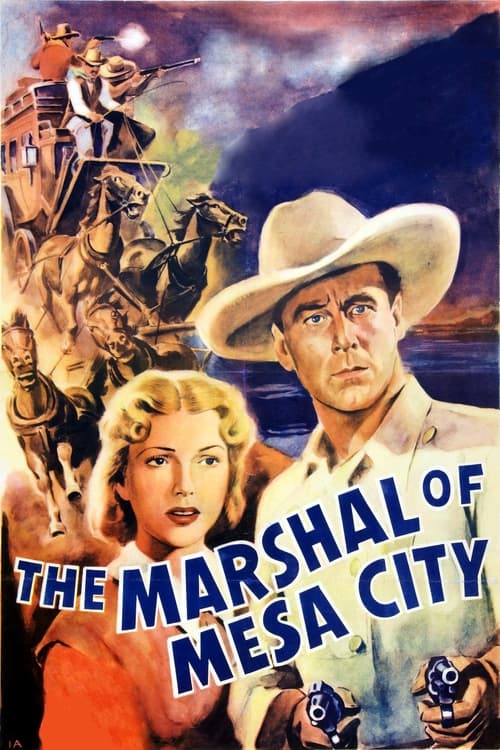
1939
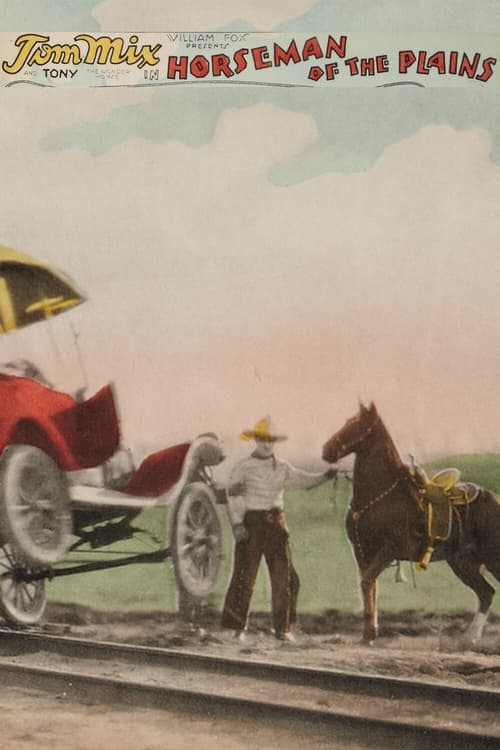
1928
No reviews yet. Be the first to share your thoughts on this movie!
Use the rating form above to leave a star rating and optional review.