The Texans
1938
No user ratings available yet
Representation score: 1.2 out of 10
Representation Score
Minimal
1951
ApprovedDirector
Philip Ford
Runtime
60 minutes
Average Rating
No ratings yetNew Showbiz Analysis
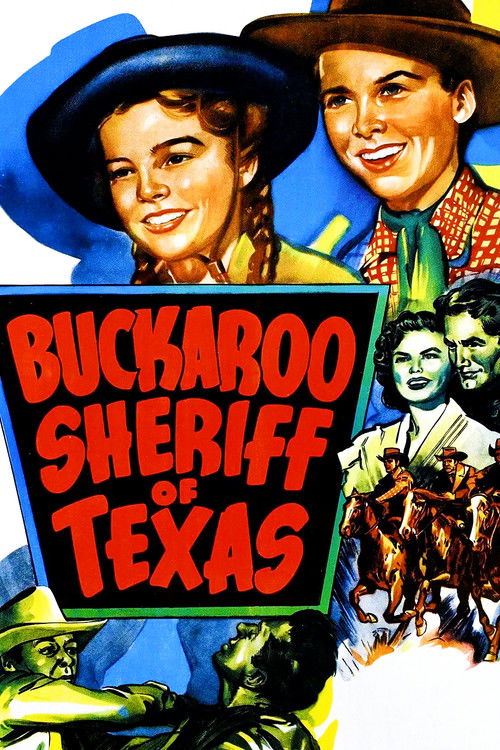
Buckaroo Sheriff of Texas is a classic mid-century B-Western that emphasizes genre clichés over social critique. The film reinforces the cultural and social norms of its time, focusing on a white protagonist reclaiming his ranch from outlaws. The production adheres to the strict hierarchies of 1950s Westerns. It lacks diversity across nearly every metric, offering no representation for LGBTQ+ individuals, people with disabilities, or racial minorities in significant roles. Ultimately, the film upholds traditional institutions of law and land ownership. It presents a uniform view of the American West that avoids any deconstruction of the period's prevailing social order.
Category Breakdown
The film does not include any LGBTQ+ characters or narratives. It follows the straight-centered social norms typical of 1951 cinema.
Women are confined to traditional supporting roles within the home. They have little influence and do not challenge the male-dominated leadership central to the plot.
The story centers around a white protagonist and a gang of outlaws. It lacks significant minority representation or non-white characters in influential roles.
The narrative upholds traditional Western values and the authority of the rancher and sheriff. It supports the status quo through law enforcement.
There is no evidence of characters with visible or invisible disabilities. Disability is not used as a thematic element or character arc.
Present on Screen
Limited or Absent
Official Synopsis
At the end of the Civil War, Sam White returns home to his ranch in the Texas ranch -The Panhandle - to find it in the hands of a gang of outlaws
1938
1939
1956
1976
1943
1958
1957
1946
No reviews yet. Be the first to share your thoughts on this movie!
Use the rating form above to leave a star rating and optional review.