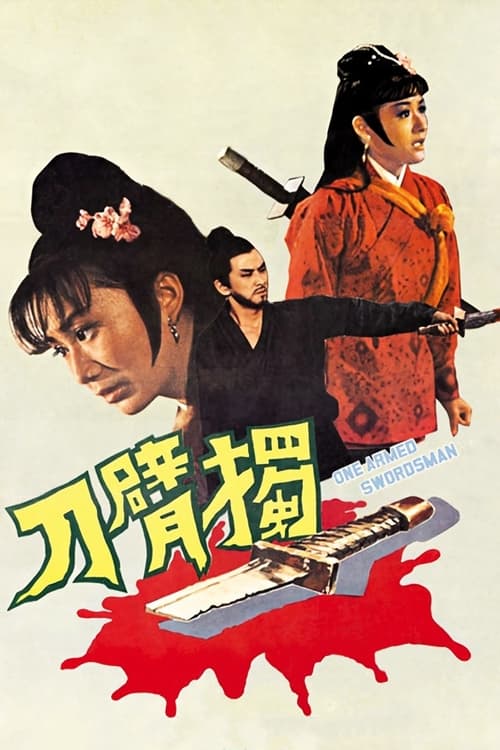
The One-Armed Swordsman
1967
No user ratings available yet
Representation score: 3.7 out of 10
Representation Score
Limited
1969
RDirector
Chang Cheh
Runtime
106 minutes
Average Rating
No ratings yetNew Showbiz Analysis
Chang Cheh’s film is a study of extreme masculinity, centered on male bonding and violent codes of honor. The narrative emphasizes individual heroism over social complexity. While the protagonist's disability is a central theme, it is used more as a plot device rather than a deep exploration of his lived experience. The film adheres to traditional genre conventions, focusing on male-driven conflict and avoiding a more inclusive perspective.
Category Breakdown
The film follows a strict assumption that everyone is straight and cisgender, with no representations of LGBTQ+ identities or same-sex relationships.
Female characters play minor roles and have little influence on the main storyline, which emphasizes male combat and camaraderie.
The cast predominantly features actors from similar backgrounds, reflecting the cultural context of 1960s Hong Kong without incorporating diverse casting.
The story revolves around personal codes of honor and vengeance, reinforcing traditional social structures through themes of blood ties and retribution.
The protagonist's missing arm is a key part of the story, but it mainly serves to heighten dramatic tension and highlight his martial abilities.
Present on Screen
Limited or Absent
Official Synopsis
After the events of The One-Armed Swordsman (1967), a retired Fang Gang is drawn back into the jianghu to protect various young apprentices whose swordsmanship schools have been terrorized by 8 evil swordsmen seeking to rule the jianghu.
1967
1966
1984
1976

1969
1967
1971

1977
No reviews yet. Be the first to share your thoughts on this movie!
Use the rating form above to leave a star rating and optional review.