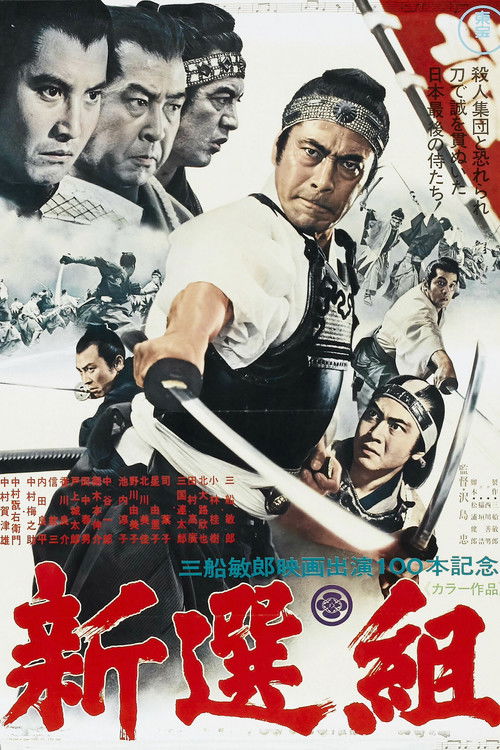
Shinsengumi: Assassins of Honor
1969
No user ratings available yet
Representation score: 1.3 out of 10
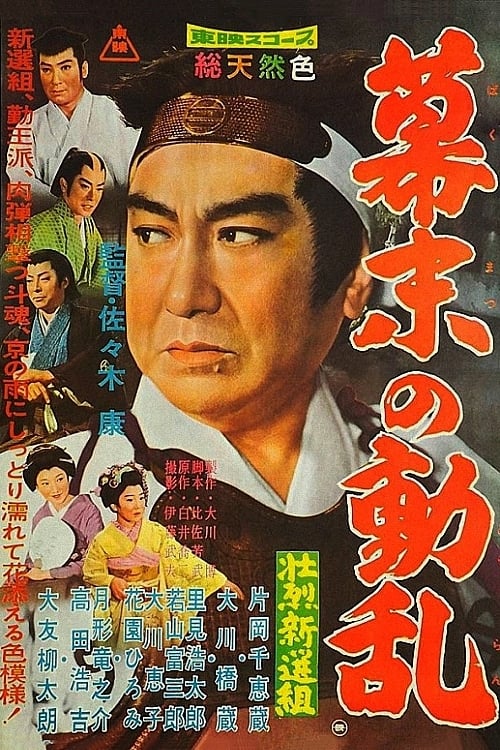
Representation Score
Limited
1960
Director
Yasushi Sasaki
Runtime
102 minutes
Average Rating
No ratings yetNew Showbiz Analysis
This historical drama emphasizes the traditional structures of 1960s jidaigeki, focusing on martial skills and the strict social hierarchy of the Bakumatsu period. The storytelling centers on masculine honor and the maintenance of state order. Due to its emphasis on historical accuracy, the film lacks complexity in representing diverse identities. It does not aim to challenge the conventional social or gender norms of the time, instead reinforcing them through its character archetypes.
Category Breakdown
The film follows the straight-centered social norms of the 1960s, showing no evidence of non-traditional gender identities or same-sex relationships.
Male characters like Kondo and Hijikata play central roles in the story, which explores leadership and corruption through a masculine perspective of honor and discipline.
The cast is ethnically uniform, reflecting the 19th-century Japanese context. The narrative focuses on internal political conflicts rather than diverse ethnic viewpoints.
The film portrays historical loyalty and the defense of the Shogunate, emphasizing restoration and order rather than challenging the established system.
Characters are defined by their martial abilities and political loyalties. There is no evidence of characters with disabilities having significant roles in the story.
Present on Screen
Limited or Absent
Official Synopsis
The stormy tale of the Shinsengumi is told from its birth by master filmmaker Sasaki Yasushi, with an all-star cast based on the original story by Shirai Kyoji. The battles between the royalists and Shogunate supporters come to a fever pitch during the Gion Festival as the exclusionists plot to burn Kyoto and kidnap the Emperor. From its earliest beginnings as a group of ronin brought from Edo to protect the Shogun when he is in Kyoto to see His Imperial Highness, the group had to face difficulties both from within and without. Commander Serizawa Kamo's corrupt practices threaten the group's very existence, as they try to recover from the bad reputation he left them with. Their redemption comes when they learn of Katsura Kogoro plans to gather men at Kyoto's Ikedaya Inn for his attack on the city. Along with Hijikata Toshizo and Okita Soji, Kondo leads the group in an attempt to save Japan from the rebels.
1969
1964
1978
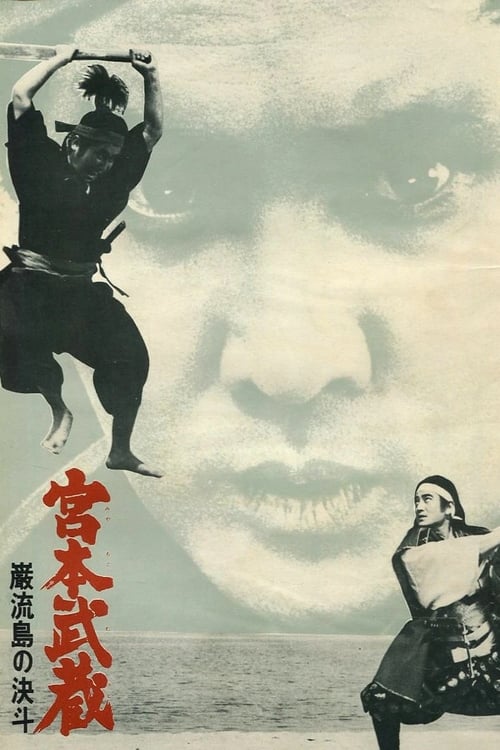
1965
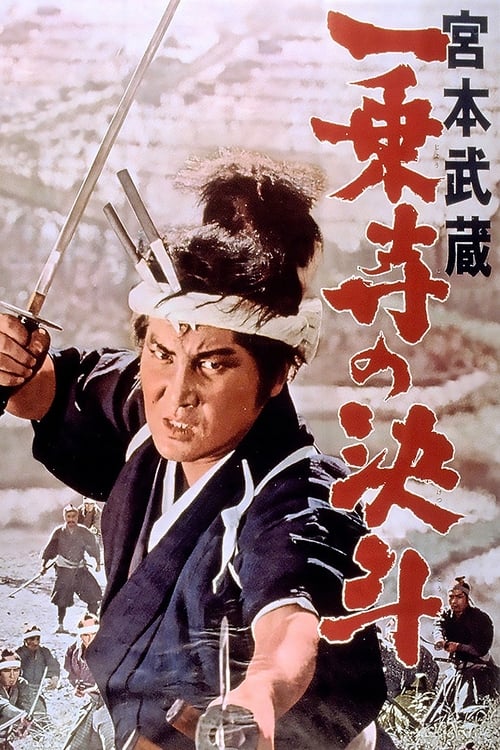
1964
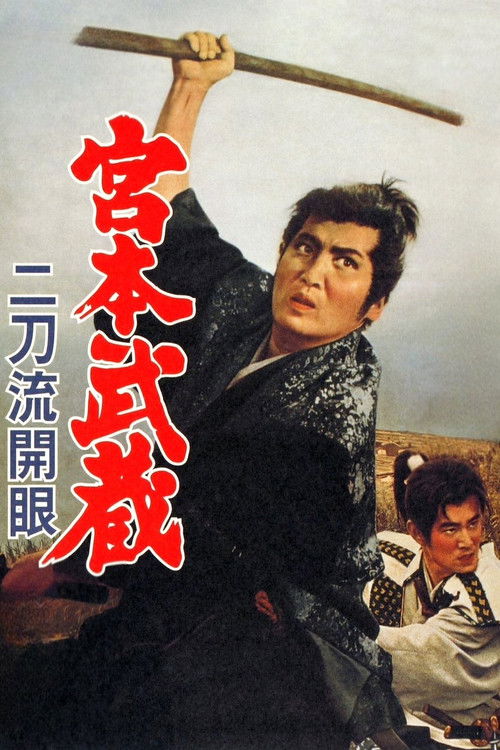
1963
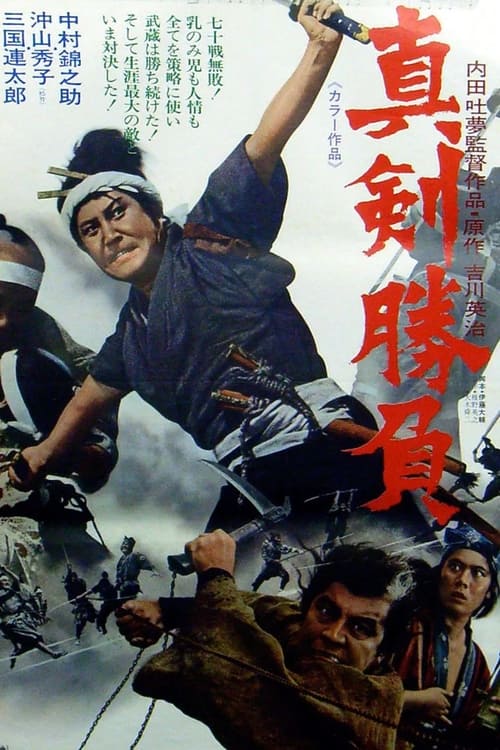
1971
1962
No reviews yet. Be the first to share your thoughts on this movie!
Use the rating form above to leave a star rating and optional review.