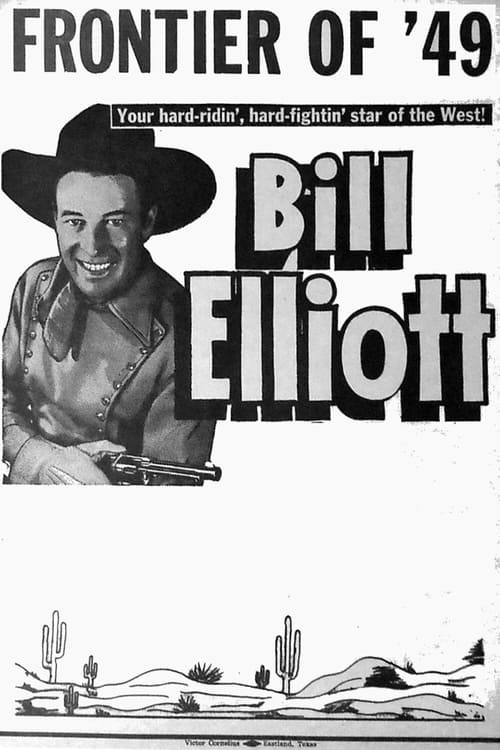
Frontiers of '49
1939
No user ratings available yet
Representation score: 1.2 out of 10

Representation Score
Minimal
1944
ApprovedDirector
D. Ross Lederman
Runtime
20 minutes
Average Rating
No ratings yetNew Showbiz Analysis
Gun to Gun is a conventional B-movie Western that relies heavily on established genre clichés. The narrative prioritizes traditional masculinity and clear-cut heroism, centering the conflict on male-driven disputes over cattle and taxes. While the setting incorporates elements of Hispanic heritage through the character of Don Diego, the film lacks deeper exploration of diverse identities. It functions primarily as a study of individual action against institutional authority, adhering to the social hierarchies of its era.
Category Breakdown
The film does not include any characters with non-binary gender identities or same-sex relationships. It follows the assumption that everyone is straight or cisgender, which is typical for 1940s Westerns.
Men play a central role in driving the plot through characters like Steve Randall and Don Diego. Dolores is a secondary figure, reinforcing traditional gender roles.
The presence of a character named Don Diego suggests Hispanic influence within the ranching community. However, the focus remains on the main American protagonist.
The story centers on property rights, tax obligations, and personal honor. It upholds traditional Western values related to ranch ownership and asset protection.
There is no mention of characters with visible or invisible disabilities within the narrative.
Present on Screen
Limited or Absent
Official Synopsis
Don Diego is a large ranch owner, the uncle of Dolores and the guardian of a young American, Steve Randall. Steve has just delivered a large herd of cattle to the ranch, where Don Diego has just found out that he must pay the local tax commissioner, Harkness a fine for unpaid taxes on a herd of over one-thousand cattle. Steve offers to drive the cattle to the commissioners office, even though he fells the fine is unjust. Arriving at the office, Steve learns that Harkness (who he has never met), who has a reputation for dishonesty, is out. Dropping by the cantina, Steve gets into a fight with Harkness, and Harkness swears vengeance on Steve, especially after Steve stampedes the cattle through the town.
1939
1966
1943
1940
1944
1964
1949

1953
No reviews yet. Be the first to share your thoughts on this movie!
Use the rating form above to leave a star rating and optional review.