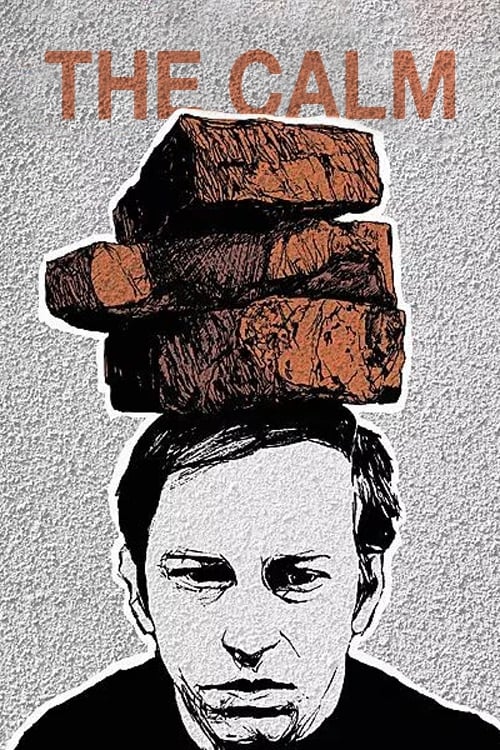
The Calm
1980
No user ratings available yet
Representation score: 2.2 out of 10
Representation Score
Fair
1976
Director
Krzysztof Kieślowski
Runtime
72 minutes
Average Rating
No ratings yetNew Showbiz Analysis
Kieślowski’s work is a masterful critique of political and philosophical systems. Although the film lacks demographic diversity, it excels in dismantling institutional power and examining how systemic pressures affect individual morality and autonomy. The narrative structure challenges the sanctity of state institutions, portraying the secret police as predatory entities. This results in a thorough examination of how systemic oppression impacts personal ethics. Ultimately, the film’s strength lies in its critique of institutional corruption rather than its representation of diverse identities. It remains a rigorous exploration of survival within a rigid social framework.
Category Breakdown
The film does not include any LGBTQ+ characters or non-cisgender identities. The social structure aligns closely with the mid-20th-century Polish norms, which are predominantly straight and cisgender.
The story focuses on male-dominated hierarchies and professional roles. Women are shown mostly as emotional support or observers rather than active challengers of traditional roles.
The cast is ethnically uniform, reflecting the historical context of the Polish People's Republic. The film maintains a realistic portrayal of its specific socio-political environment.
The film offers a deep critique of totalitarian state authority. It examines how individuals use moral relativism as a survival strategy in an oppressive system.
The film does not significantly address visible or invisible disabilities. Instead, it emphasizes psychological trauma and the impact of surveillance over intentional disability representation.
Present on Screen
Limited or Absent
Official Synopsis
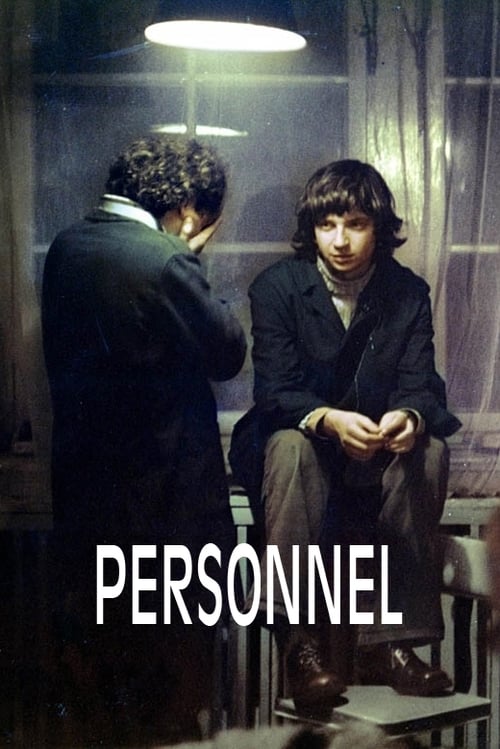
Romek, an idealistc 19-year-old boy, takes a job as a tailor in the costume department of a Warsaw theater company where his new colleague, Sowa, is pressured to make a costume for an overbearing soloist.
1980
1989
1974

1989

1995
1966
1973

1970
No reviews yet. Be the first to share your thoughts on this movie!
Use the rating form above to leave a star rating and optional review.