
The Old Crowd
1979
No user ratings available yet
Representation score: 4.8 out of 10
Representation Score
Fair
1977
Director
Mike Leigh
Runtime
107 minutes
Average Rating
No ratings yetNew Showbiz Analysis
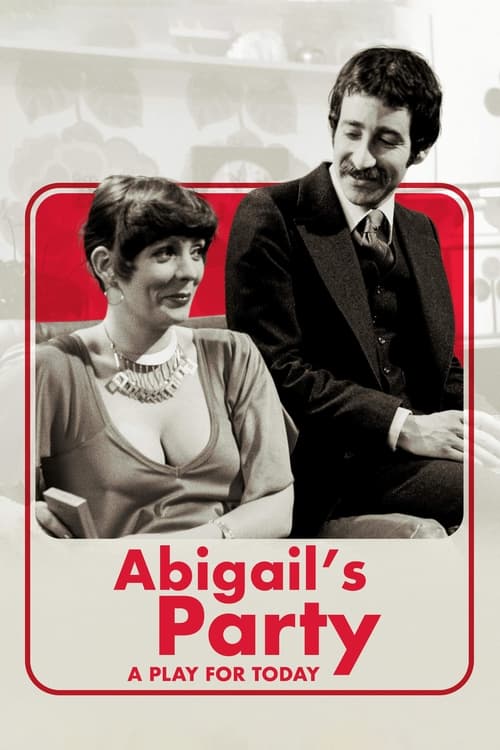
Abigail's Party is a realistic sociological study that prioritizes a critique of middle-class institutions over demographic diversity. While it lacks representation of LGBTQ+ identities, various ethnicities, or disabilities, it avoids the comfort of traditional domestic clichés. The film stands out by portraying women with significant roles in driving the story through social aggression and psychological complexity. This provides a nuanced look at interpersonal power dynamics. Ultimately, the work serves as a critique of Western middle-class social climbing and the emptiness of suburban status symbols, using the friction of social performance to expose underlying anxieties and alienation.
Category Breakdown
The film focuses on heterosexual relationships and assumes everyone is straight or cisgender, with no representation of LGBTQ+ identities or same-sex intimacy.
The film challenges the stereotype of the nurturing, domestic woman by showing women engaging in social aggression and psychological manipulation. These characters drive the plot's tension.
The cast is predominantly white and British, reflecting the suburban experience of the 1970s. The film lacks diverse ethnic representation.
The film critiques the superficial nature of social climbing and suburban status symbols. However, it does not explicitly address secular or anti-institutional themes.
The film does not include any representation of physical, sensory, or neurodivergent disabilities. The narrative focuses on the psychological tensions among able-bodied characters.
Present on Screen
Limited or Absent
Official Synopsis
Beverly and Laurence are entertaining their new neighbours, Angela and Tony as well as Sue, whose teenage daughter, Abigail, is having a party. Over drinks and small talk, class differences and relationship difficulties emerge.
1979
1989
1989
1969
1980
1983
1975

1997
No reviews yet. Be the first to share your thoughts on this movie!
Use the rating form above to leave a star rating and optional review.