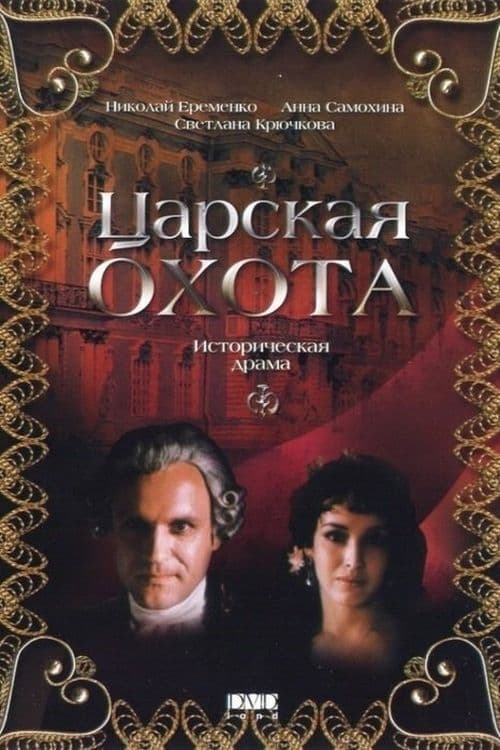
The Royal Hunt
1990
No user ratings available yet
Diversity score: 3.1 out of 10

1950
SDirector
T.J. Särkkä
Runtime
101 minutes
Average Rating
No ratings yetSynopsis
In the early 1800s, Finnish governor's daughter first detests but soon falls in love with Russian Czar Alexander I who has just taken Finland over from Sweden's rule.
Overall Score
Limited
Category Breakdown
LGBTQ+ Representation
The film lacks any evidence of non-cisnormative identities or same-sex intimacy. It follows a strictly heteronormative framework centered on a traditional romantic arc.
Gender Representation
The story relies on conventional romantic tropes of the era. While the female lead undergoes an emotional transformation, her arc aligns with traditional romanticism rather than subverting gender hierarchies.
Racial & Ethnic Diversity
The narrative explores Finnish and Russian identities during a period of geopolitical transition. However, the focus remains on the interpersonal romance between two dominant ruling-class figures.
Religious & Cultural Diversity
The film reinforces traditional notions of statehood and authority through its focus on imperial power shifts. It lacks secularist or anti-institutional perspectives, favoring historical romanticization.
Disability Representation
There is no mention of characters with visible or invisible disabilities. The narrative does not indicate any inclusion of disabled individuals.
Strengths
Areas for Improvement
AI Analysis
Tanssi yli hautojen is a mid-century historical romance that adheres to the social and cinematic norms of 1950s Finland. It prioritizes a sweeping, traditional love story between a governor's daughter and Czar Alexander I over complex social critique. The film functions primarily as a drama regarding national sovereignty and geopolitical shifts. While it touches on ethnic tension between Finnish and Russian identities, these elements serve the central romantic plot rather than exploring systemic hierarchies. Ultimately, the production lacks intersectional depth. It relies on established historical narratives and conventional romantic structures, offering little representation outside of the dominant ruling classes.
1990
1953
1937
1944
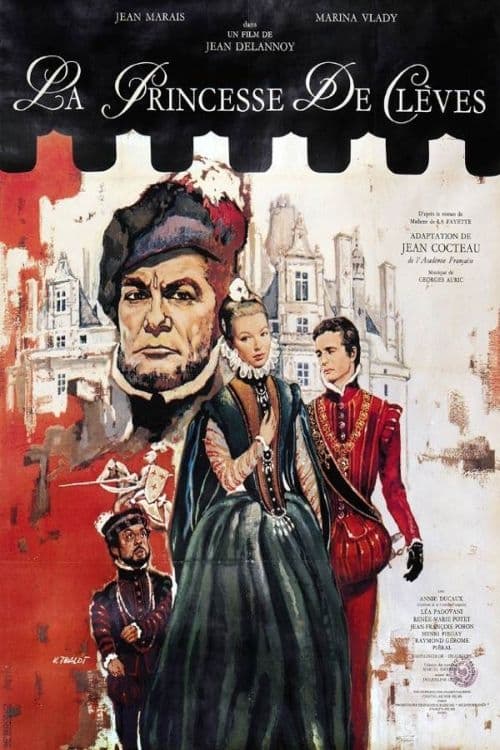
1961
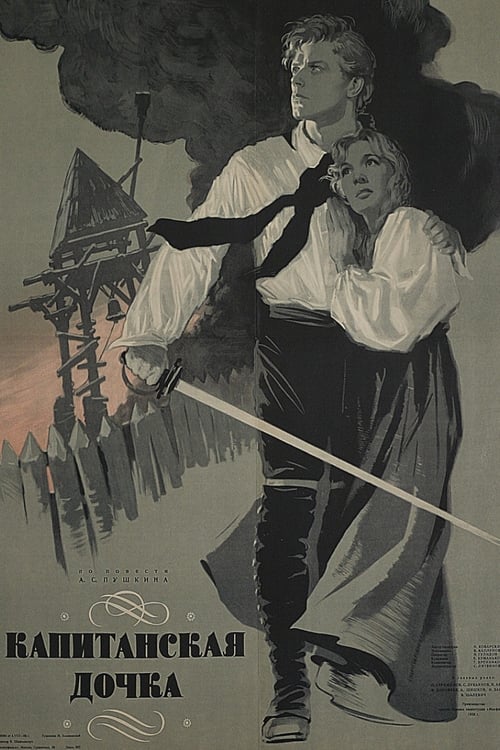
1958
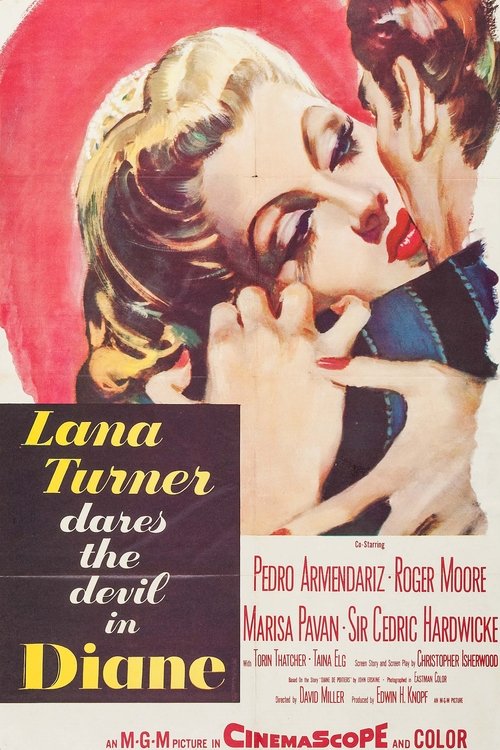
1956

1941
2000
1963
1992

2015
No reviews yet. Be the first to share your thoughts on this movie!
Use the rating form above to leave a star rating and optional review.