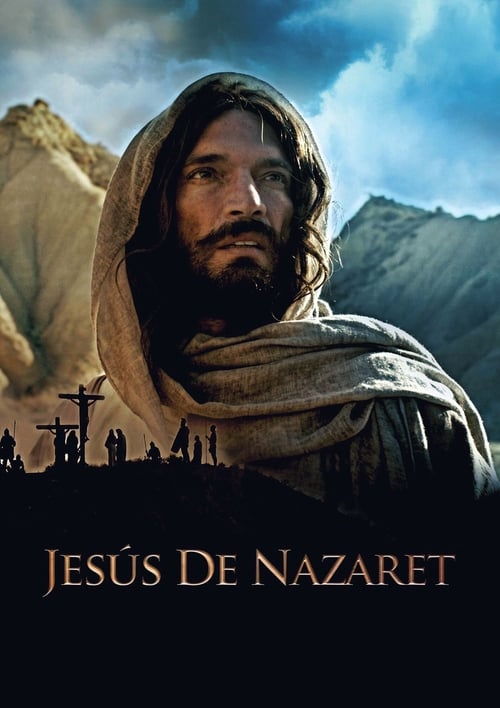
Jesús de Nazaret: El Hijo de Dios
2019
No user ratings available yet
Diversity score: 2.8 out of 10
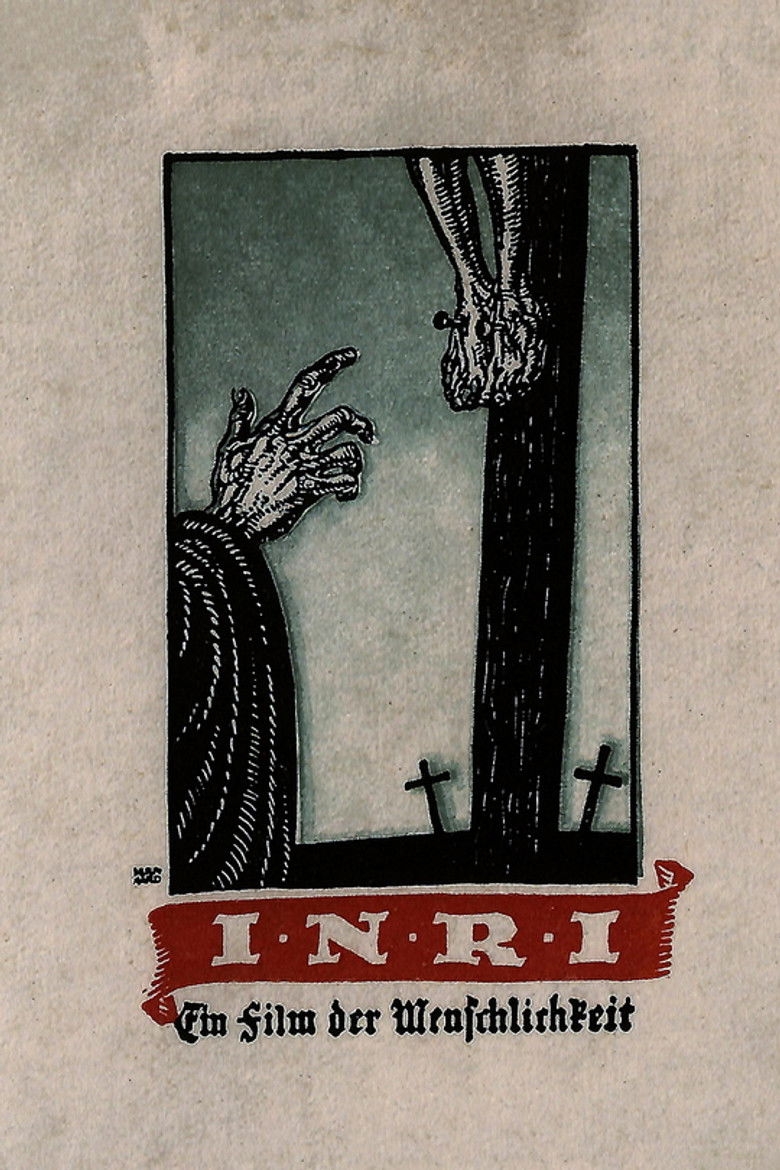
1923
Director
Robert Wiene
Runtime
102 minutes
Average Rating
No ratings yetSynopsis
From the director of Cabinet of Dr. Caligari, this is the Passion embedded in a contemporary story. An anarchist jailed for an attempted assassination is told the Passion story by the prison chaplain.
Overall Score
Limited
Category Breakdown
LGBTQ+ Representation
The film adheres to the historical and religious constraints of its subject matter. There is no evidence of non-cisnormative gender identities or same-sex intimacy.
Gender Representation
Female figures like Mary provide emotional weight but lack independent agency. Their roles are largely defined by their relationships to central male figures and traditional archetypes of devotion.
Racial & Ethnic Diversity
The production attempts contextual authenticity by casting actors to portray Middle Eastern and Jewish figures. This reflects historical reconstruction rather than modern intersectional intent.
Religious & Cultural Diversity
The narrative centers on Christian morality and the divine narrative. It functions as a reinforcement of singular religious ideals rather than a critique of them.
Disability Representation
There is no significant evidence regarding the portrayal of physical or neurodivergent disabilities. The focus remains on spiritual suffering rather than lived disability experiences.
Strengths
Areas for Improvement
AI Analysis
Robert Wiene’s film is a traditionalist reconstruction that prioritizes the preservation of a singular, historical moral framework. While Wiene’s expressionist style often challenges visual norms, the thematic content remains firmly rooted in established theological and social hierarchies. The narrative architecture is designed to uphold rather than disrupt traditional power dynamics. It lacks the intersectional agency or subversion of authority necessary for a more progressive representation of identity. Ultimately, the film serves as a religious epic that reinforces Western spiritual structures, offering little room for diverse social or identity-based perspectives.
2019

2016
1931
1923

1906
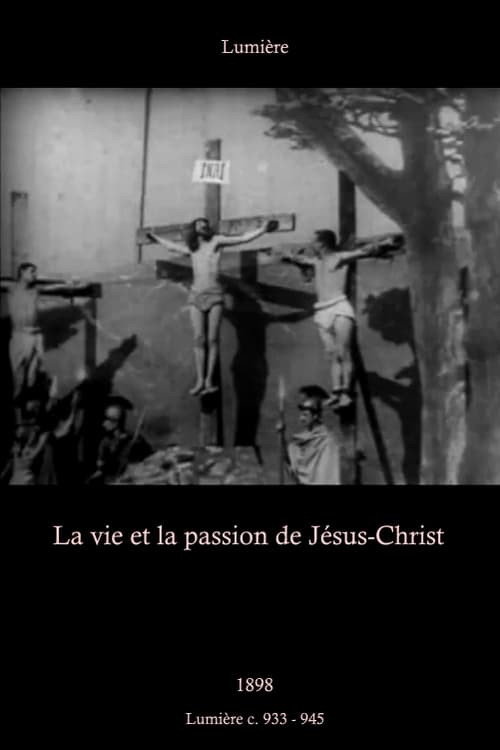
1898
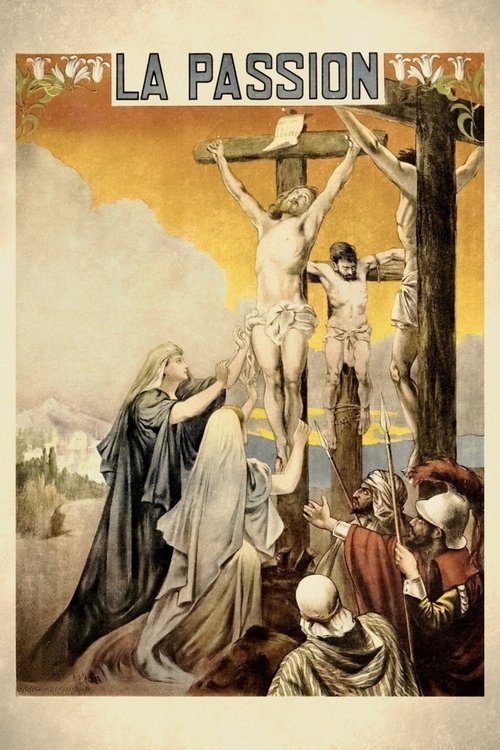
1903

1932

1927

1900
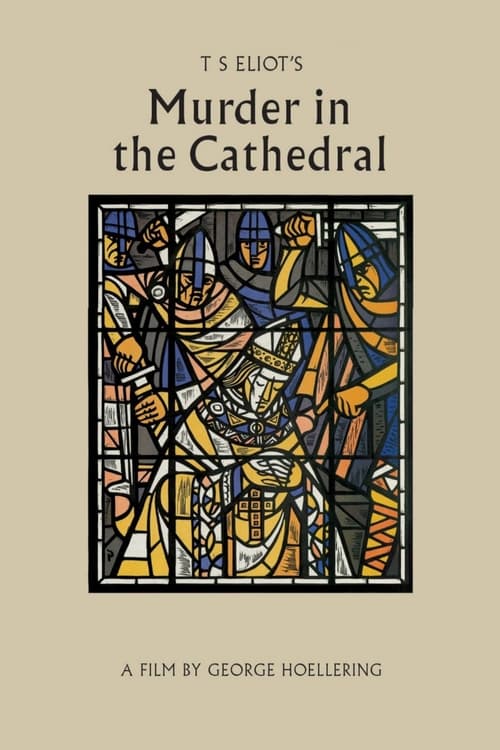
1951
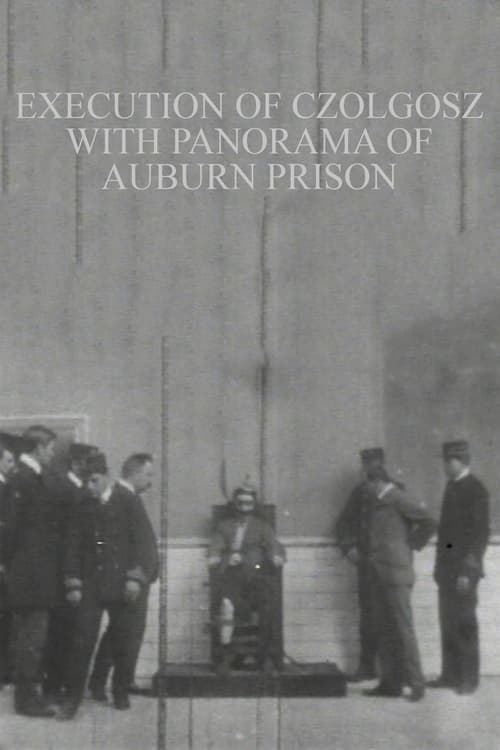
1901
No reviews yet. Be the first to share your thoughts on this movie!
Use the rating form above to leave a star rating and optional review.