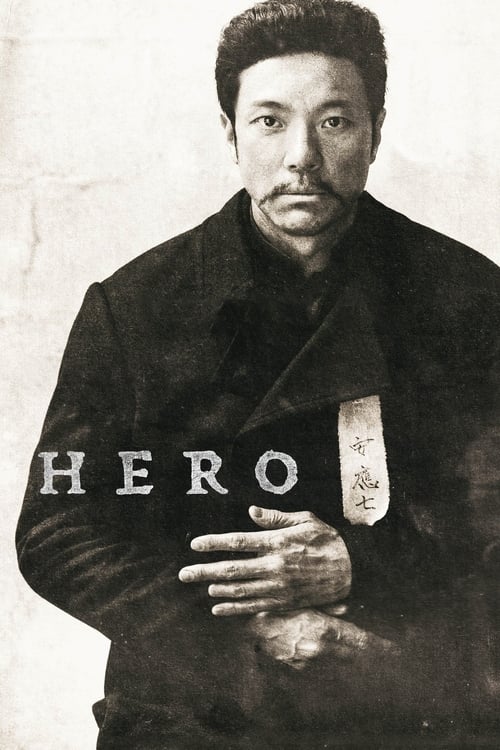
Hero
2022
No user ratings available yet
Diversity score: 4.4 out of 10

1999
Director
Park Kwang-su
Runtime
100 minutes
Average Rating
No ratings yetSynopsis
In the late 19th century Catholicism was gaining a foothold on Jeju island, much to the horror of the Confucian community, who were seeing their influence diminishing as well as getting increased taxes from Catholic-friendly government officers. The conflict became a religious war that resulted in a rebel Confucian army massacring hundreds of Christians in little more than a matter of days. The Uprising details the events leading up to the assault, focusing on the story of Yi Jae-su, the young man destined to become the leader of the rebel army.
Overall Score
Fair
Category Breakdown
LGBTQ+ Representation
The film focuses on religious and civil conflicts in 19th-century Jeju. There is no evidence of non-heteronormative identities or same-sex intimacy within the narrative.
Gender Representation
Masculine hierarchies dominate the story, particularly regarding the leadership of the Confucian rebel army. Women appear within the social fabric but largely occupy traditional roles.
Racial & Ethnic Diversity
The film provides a profound exploration of Korean ethnic identity and sovereignty. It centers the Korean experience against encroaching external influences and shifting political landscapes.
Religious & Cultural Diversity
The narrative depicts a complex collision between Confucianism and Catholicism. It avoids simple moral binaries, instead focusing on systemic dominance and institutional corruption.
Disability Representation
There is no significant focus on neurodivergence or physical disability. Characters are defined by religious affiliation and socio-political roles rather than disability-specific agency.
Strengths
Areas for Improvement
AI Analysis
The Uprising is a sophisticated historical drama that prioritizes ethnic sovereignty and the interrogation of institutional power. It succeeds by framing the Korean struggle against external religious and political impositions as a reclamation of cultural autonomy. However, the film remains tethered to the social structures of its 19th-century setting. This results in a lack of representation for LGBTQ+ identities and a narrative heavily centered on traditional masculine hierarchies. Ultimately, the film's value lies in its intellectual depth. It uses a historical lens to critique state-driven narratives and the friction between individual agency and systemic authority.
2022

2017
1967
2015
2017
No reviews yet. Be the first to share your thoughts on this movie!
Use the rating form above to leave a star rating and optional review.