The New Gulliver
1935
No user ratings available yet
Diversity score: 4.2 out of 10
1936
Director
Dave Fleischer
Runtime
9 minutes
Average Rating
No ratings yetSynopsis
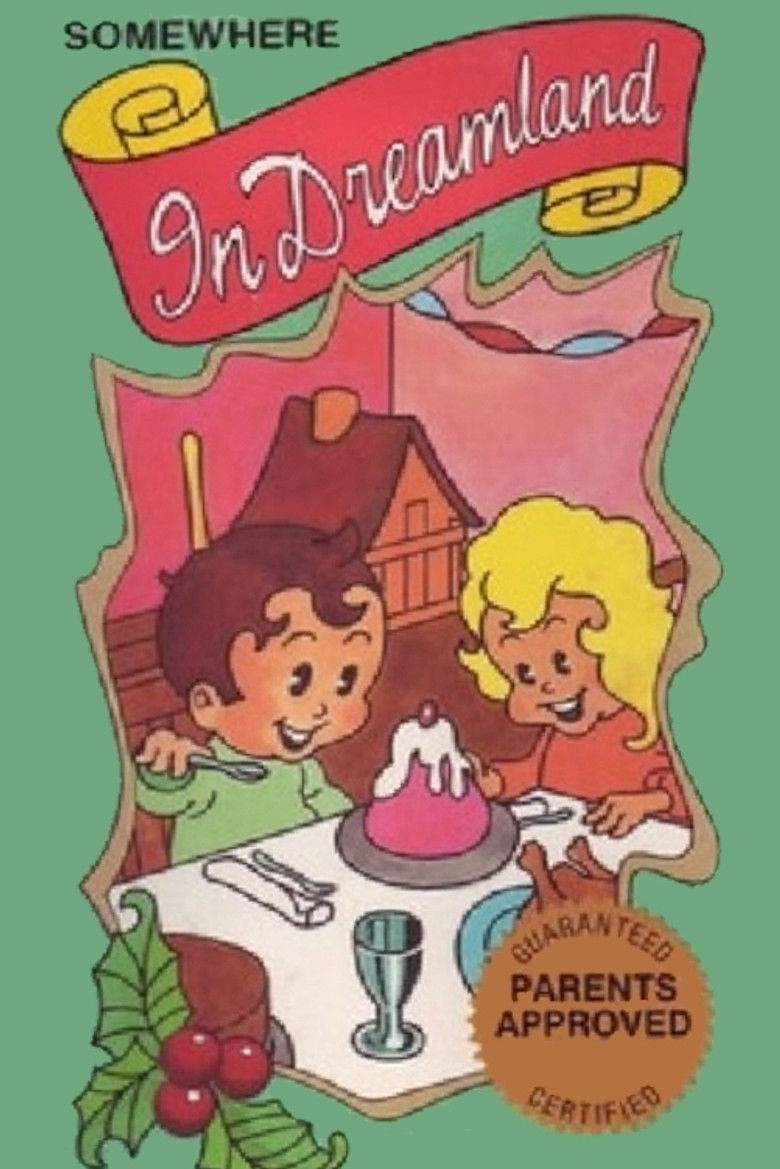
A poor boy and girl in rags gather wood in the snow. They pass by a tailor, a butcher and a baker, all of whom pity the children. Later, they arrive home. Their poor mother sets before them the only food she can: Stale bread. The children get ready for bed; In their dreams, visions of ice cream and donuts, candies and cakes fill their sleeping minds-- Will they awake to the same sorry situation?
Overall Score
Limited
Category Breakdown
LGBTQ+ Representation
The film focuses exclusively on a traditional familial unit consisting of a mother and her children. No queer identities or non-cisnormative narratives are present.
Gender Representation
Gender roles follow the era's conventions, centering the mother in a domestic caretaking capacity. Her character is defined by her resilience and struggle to provide for her children.
Racial & Ethnic Diversity
The setting appears homogeneous, focusing on class distinctions rather than ethnic variety. Characters exist within a standard Western folkloric framework without visible racial diversity.
Religious & Cultural Diversity
The story provides a critique of economic structures by contrasting poverty with the merchant class. It uses the dreamscape to highlight the struggle of the vulnerable.
Disability Representation
The narrative does not feature any characters with physical, neurodivergent, or mental health conditions.
Strengths
Areas for Improvement
AI Analysis
Somewhere in Dreamland functions primarily as a socio-economic fable rather than a study in identity. It uses the contrast between material scarcity and dream-based abundance to highlight systemic inequality and the plight of the impoverished. While the film offers a subtle commentary on class struggle, it remains tethered to the rigid social and gender hierarchies of 1936. The narrative prioritizes class-based pathos over modern intersectional representation. Ultimately, the work is a period piece that explores the friction between reality and escapism through a narrow, traditional lens.
1935
1950

1989
1930
1934
1934

1936
1939
1941
1932
No reviews yet. Be the first to share your thoughts on this movie!
Use the rating form above to leave a star rating and optional review.