
Hell's Bells
1929
No user ratings available yet
Representation score: 1.2 out of 10
Representation Score
Limited
1930
Director
Dave Fleischer
Runtime
9 minutes
Average Rating
No ratings yetNew Showbiz Analysis
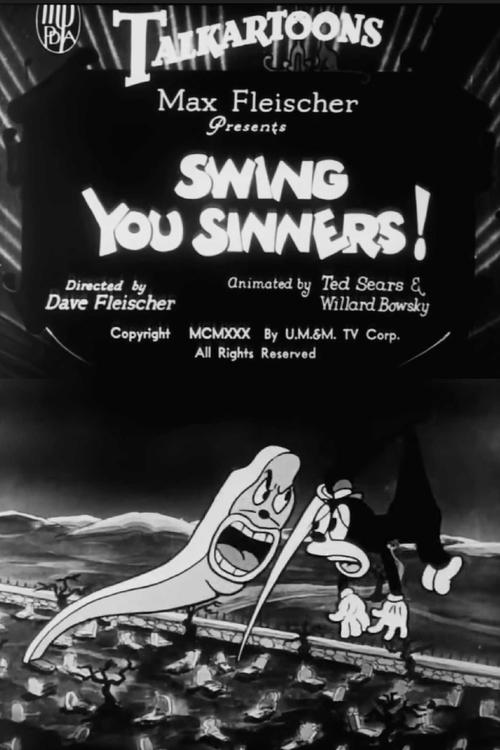
Swing You Sinners! primarily functions as a musical novelty centered around a single protagonist. The narrative structure is based on a traditional moralistic foundation of transgression and retribution, limiting the exploration of diverse characters. The film lacks complexity in representing multiple aspects of identity and fails to provide meaningful roles for underrepresented groups. Instead, it relies on typical roles that fit the 'song cartoon' format without offering social or cultural critique. Ultimately, the work serves as a historical artifact of early sound-era animation, following the period's standard clichés and homogeneous casting norms.
Category Breakdown
The film does not include any LGBTQ+ characters or non-cisgender identities. The story revolves solely around Bimbo's journey through a supernatural world.
Gendered character development is limited, focusing mainly on Bimbo's individual struggle. There is no prominent women's ability to drive the story, despite the story avoiding reinforcement of patriarchal structures.
The cast features stylized, anthropomorphic characters without meaningful racial or ethnic diversity. The setting reflects a homogeneous urban environment typical of the 1930s animation style.
The plot adheres to a traditional Western moral framework where sin results in supernatural punishment. It reinforces conventional moralistic structures without challenging them.
There is no representation of physical, neurodivergent, or sensory disabilities. Characters are portrayed as musical entities without engaging with disability as a narrative element.
Present on Screen
Limited or Absent
Official Synopsis
Bimbo is seen late at night, trying to steal a chicken. He runs away from a policeman and enters a haunted cemetery. Various ghosts and monsters tell him that he will be punished for his sin.
1929
1931
1932
1933

1923
1939

1931
1934
No reviews yet. Be the first to share your thoughts on this movie!
Use the rating form above to leave a star rating and optional review.