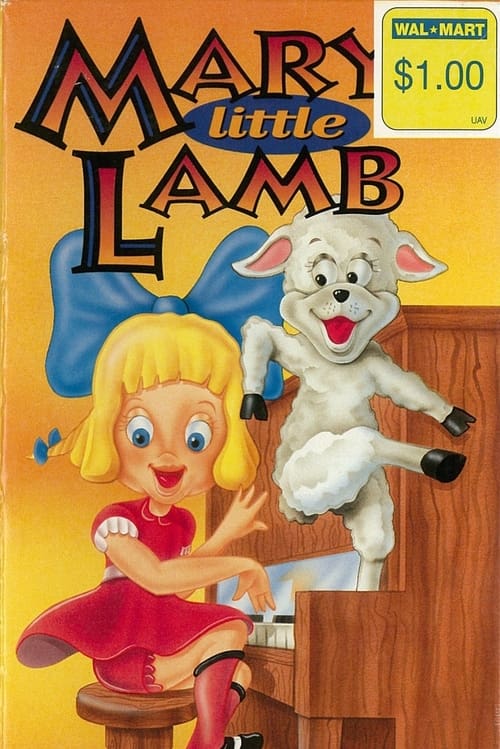
Mary's Little Lamb
1935
No user ratings available yet
Representation score: 0.9 out of 10
Representation Score
Minimal
1941
Director
Dave Fleischer
Runtime
17 minutes
Average Rating
No ratings yetNew Showbiz Analysis
This 1941 animated short reflects the social norms of its time. The storytelling prioritizes whimsical escapism and traditional values over any form of social critique or diverse representation. The narrative structure adheres to established norms, offering no disruption to conventional expectations about race, gender, or identity. It serves as a classic example of mid-century animation aimed at a young audience.
Category Breakdown
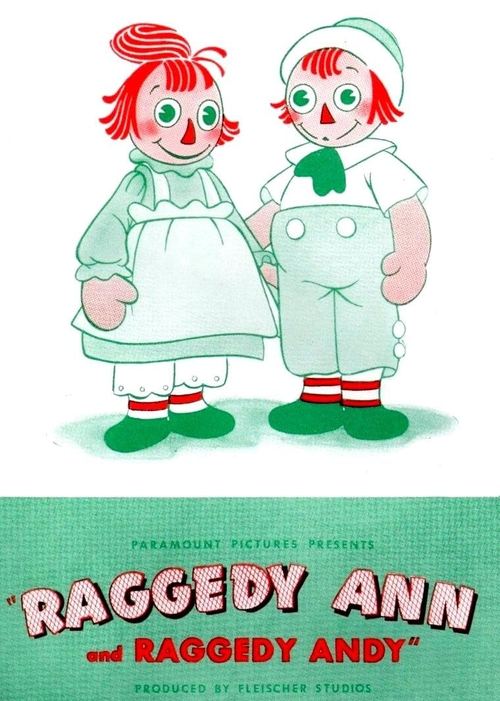
The story focuses solely on the friendship between the dolls and does not include any LGBTQ+ identities or same-sex relationships.
The film follows traditional gender roles typical of its time. The interactions between Ann and Andy reinforce conventional social expectations without challenging traditional hierarchies.
The cast is uniform and lacks significant non-white or non-Anglo-Saxon characters. The world depicted reflects a single, non-diverse demographic norm.
The story emphasizes domesticity and childhood innocence. It does not engage with secularism or critiques of Western institutions, reinforcing traditional values.
No visible or invisible disabilities are shown. Characters are depicted as physically whole and functional within their surreal environment.
Present on Screen
Limited or Absent
Official Synopsis
A toyshop owner tells a little girl the story behind the two dolls she's fallen in love with.
1935
1936
1933
1947
1932

1940
1934
1935
No reviews yet. Be the first to share your thoughts on this movie!
Use the rating form above to leave a star rating and optional review.