
An All Dogs Christmas Carol
1998
No user ratings available yet
Diversity score: 1.4 out of 10

1936
ApprovedDirector
Dave Fleischer
Runtime
9 minutes
Average Rating
No ratings yetSynopsis
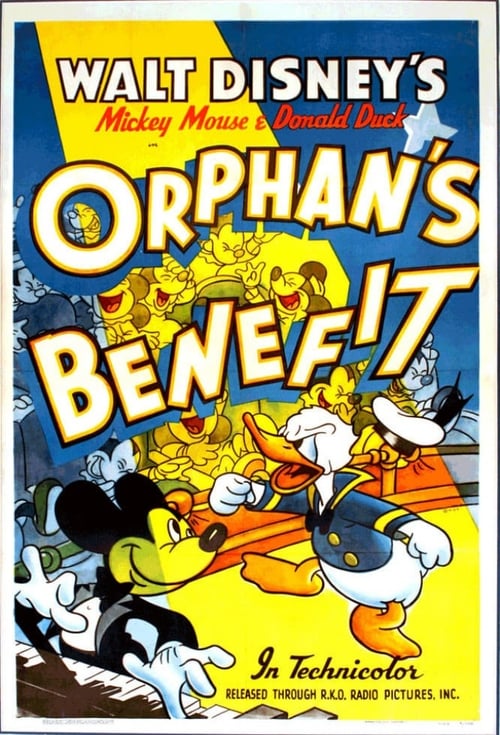
At an orphanage, the children are sad because they received used defective toys as gifts. Professor Grampy sees the children while passing by in his sled and has an idea on how to give them a merry Christmas.
Overall Score
Minimal
Category Breakdown
LGBTQ+ Representation
The film contains no depiction of non-heteronormative identities or queer themes. Characters are stylized entities focused entirely on seasonal festivities.
Gender Representation
Characters adhere to traditional early-century archetypes. The animation does not subvert gender hierarchies or challenge standard masculine and feminine dynamics.
Racial & Ethnic Diversity
The cast consists of stylized cartoon entities and children in a generic setting. The characters function as a homogeneous group without intentional racial blending.
Religious & Cultural Diversity
The story centers on Western Christmas customs and seasonal traditions. It presents a sentimental view of charity and festive spirit within conventional moral frameworks.
Disability Representation
The plot uses defective toys and orphanage life to highlight socioeconomic hardship. It does not offer a nuanced exploration of disability or neurodivergence.
Strengths
Areas for Improvement
AI Analysis
This 1936 short is a quintessential product of its era, prioritizing rhythmic comedy and visual spectacle over social complexity. The narrative relies heavily on established seasonal tropes and traditionalist structures common to the mid-century studio system. Representation is minimal, as the film functions as a celebratory piece rather than a medium for exploring identity. The characters serve the plot's sentimental goals rather than acting as vehicles for diverse perspectives or intersectional agency. Ultimately, the film reinforces the status quo of its time, focusing on communal merriment and the heroic intervention of a central figure within a very narrow cultural framework.
1998
1979
1982
1941
1981
1987
2000
1933
1934

1936
No reviews yet. Be the first to share your thoughts on this movie!
Use the rating form above to leave a star rating and optional review.