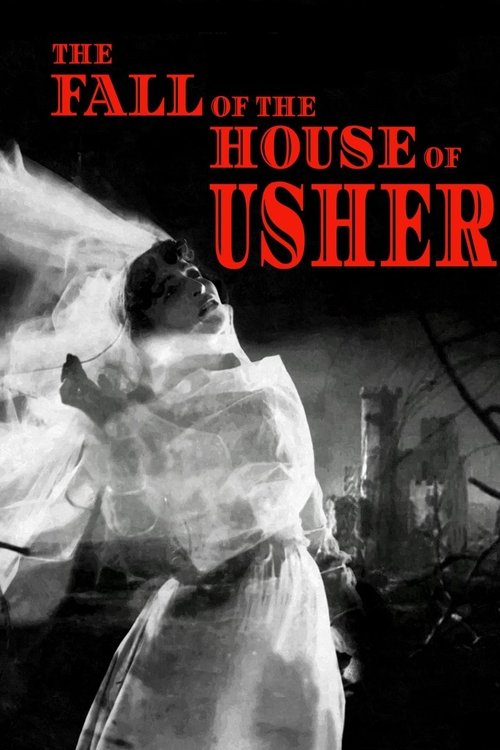
The Fall of the House of Usher
1928
No user ratings available yet
Representation score: 4.7 out of 10
Representation Score
Good
1920
Director
Robert Wiene
Runtime
88 minutes
Average Rating
No ratings yetNew Showbiz Analysis
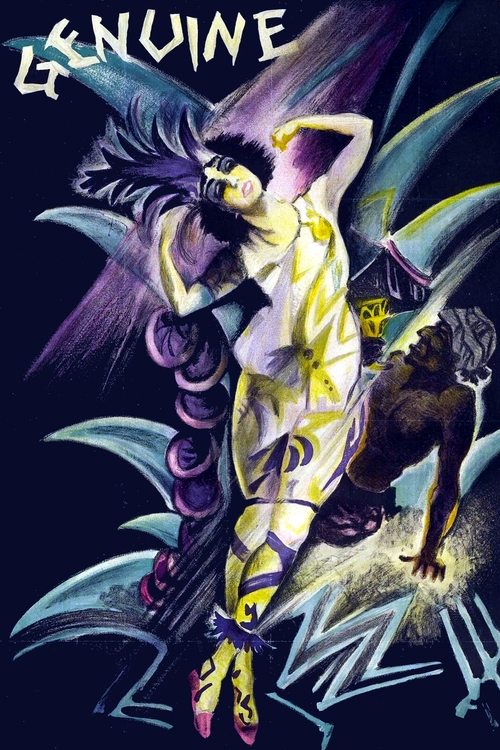
Robert Wiene's work stands out by challenging traditional narrative expectations through deep psychological exploration. The film's key strength lies in its transformation of the female subject from a static object into an active force. However, the film lacks demographic variety. It remains confined to a homogeneous European context with little racial or ethnic diversity. While it handles mental health sensitively, it frames these issues through the stylized lens of Expressionist horror. Overall, the film shines as a stylistic triumph of identity and autonomy rather than a broad social tapestry.
Category Breakdown
The film examines a strong, solitary connection between a male artist and his subject. Though it doesn't explicitly identify anyone as LGBTQ+, the protagonist's unconventional romantic interest deviates from typical domestic stories.
The film challenges the passive muse stereotype by making her an autonomous, driving force. She transforms from a mere portrait into a disruptive entity with significant influence.
The story stays within a traditional European setting. There are no non-white characters or racial blending in the cast.
The narrative focuses on psychological truths rather than social or religious norms. It presents supernatural events as existential rather than moralistic, offering a secular perspective.
Percy experiences mental health issues, including social withdrawal and obsessive behavior. The film avoids simplistic portrayals by showing him taking action even as he descends into isolation.
Present on Screen
Limited or Absent
Official Synopsis
Since completing a portrait of Genuine, a high priestess, Percy becomes irritable and withdrawn. He loses interest in painting and refuses to see his friends, preferring to spend his time alone with the portrait in his study. After turning down a wealthy patron's offer to buy the picture, Percy falls asleep while reading stories of Genuine's life. Genuine comes to life from the painting and escapes.
1928
1920

1926
1925
1917
1962
1935
1928
No reviews yet. Be the first to share your thoughts on this movie!
Use the rating form above to leave a star rating and optional review.