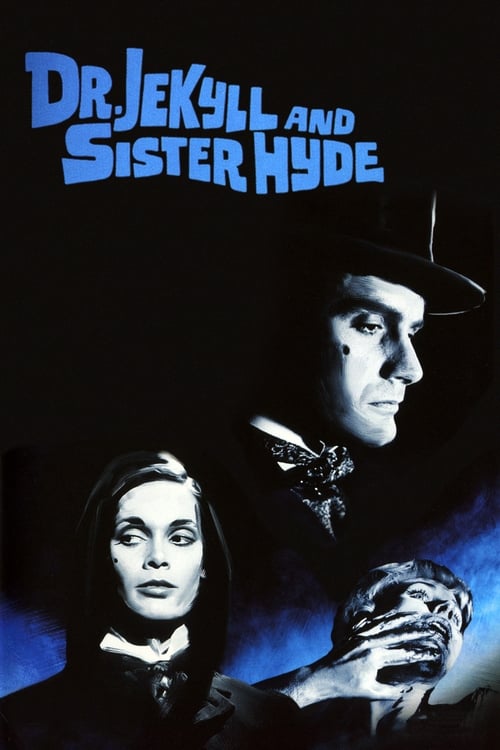
Dr. Jekyll & Sister Hyde
1971
No user ratings available yet
Representation score: 7.1 out of 10
Representation Score
Fair
1981
Not RatedDirector
Walerian Borowczyk
Runtime
92 minutes
Average Rating
No ratings yetNew Showbiz Analysis
Walerian Borowczyk’s reimagining of the Jekyll mythos prioritizes sensory experience and the subversion of bourgeois social mores. The film functions as a critique of Victorian decorum, using a nightmarish disruption of a formal engagement to explore repressed impulses. While the work offers a sophisticated deconstruction of social stability and gendered archetypes, it remains limited in its multi-layered breadth. The narrative focuses heavily on the breakdown of Western institutional sanctity rather than diverse identity representation. Ultimately, the film provides a transgressive framework that challenges traditional moral structures, even as it adheres to the homogeneous racial landscape of its historical setting.
Category Breakdown
The film explores themes of debauchery that suggest a departure from conventional straight relationships. However, there is no explicit confirmation of specific LGBTQ+ character arcs or non-straight identities.
The narrative disrupts Victorian gender hierarchies by replacing stable domestic archetypes with volatile, ability to act-driven characters. The chaos of the engagement party deconstructs traditional male leadership and female submissiveness.
Set in 19th-century London, the film likely reflects the homogeneous social structures of the era. There is no evidence of race-bent casting or non-Anglo-Saxon perspectives.
The film critiques Western social institutions by framing formal events through murder and debauchery. It rejects traditional Christian morality in favor of exploring primal, anti-social impulses.
There is no discernible information regarding the portrayal of physical or neurodivergent disabilities within the narrative.
Present on Screen
Limited or Absent
Official Synopsis
In 19th century London, a sex maniac sneaks into the engagement party of Dr. Henry Jekyll and Miss Fanny Osbourne, turning the event into a nightmarish whirlpool of murder and debauchery.
1971
1960

1972

1932
1951
1928
1989
1935
No reviews yet. Be the first to share your thoughts on this movie!
Use the rating form above to leave a star rating and optional review.