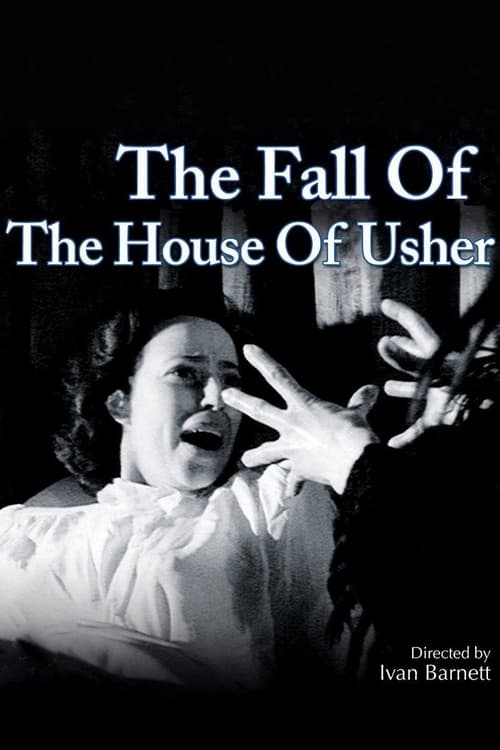
The Fall of the House of Usher
1950
No user ratings available yet
Representation score: 2.7 out of 10
Representation Score
Fair
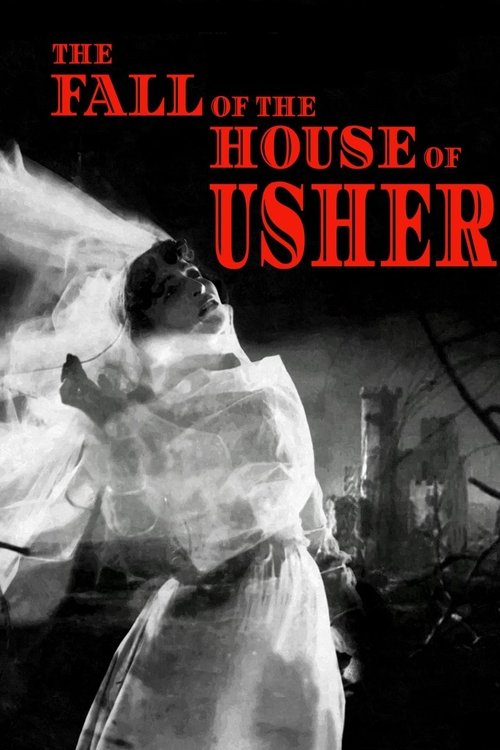
1928
Not RatedDirector
Jean Epstein
Runtime
63 minutes
Average Rating
No ratings yetNew Showbiz Analysis
Jean Epstein’s silent masterpiece emphasizes visual poetry and psychological depth over conventional storytelling. It dismantles traditional social hierarchies and moral certainties through its impressionistic style. However, the film is limited by its historical context, featuring a homogeneous cast and a Eurocentric setting. The narrative relies on Gothic clichés where female characters serve primarily as catalysts for the male protagonist's descent. While the film lacks demographic diversity, it offers a sophisticated exploration of mental instability and the decay of institutional permanence.
Category Breakdown
The film centers on the hereditary decline of a single family line. There are no representations of LGBTQ+ identities or non-assuming gender matches what was assigned at birth experiences.
Male characters are shown in states of mental disintegration, challenging traditional patriarchal roles. Female characters like Madeline act as catalysts for the male protagonist's descent but do not have independent ability to act.
The film features a homogeneous cast typical of its 1928 production context. The setting remains localized and Eurocentric, without engaging with racial diversity.
Epstein portrays moral ambiguity by blurring the lines between sanity and death. The house symbolizes the systemic breakdown of the family unit.
The film explores neurodivergence and intense psychological instability as atmospheric and existential conditions, rather than simple plot devices.
Present on Screen
Limited or Absent
Official Synopsis
Convinced that his family is tainted by generations of evil, Roderick Usher is hellbent on stopping his sister Madeline’s wedding to prevent the cursed Usher bloodline from expanding. When her fiancé Allan arrives at the crumbling estate to claim his bride, Roderick goes to ruthless—even deadly—lengths to keep them apart.
1950

1926
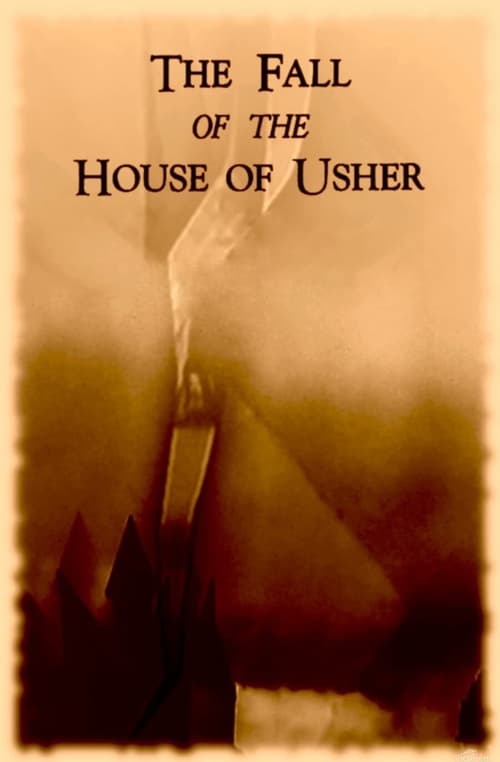
1928

1932
1942
1934
1989
1925
No reviews yet. Be the first to share your thoughts on this movie!
Use the rating form above to leave a star rating and optional review.