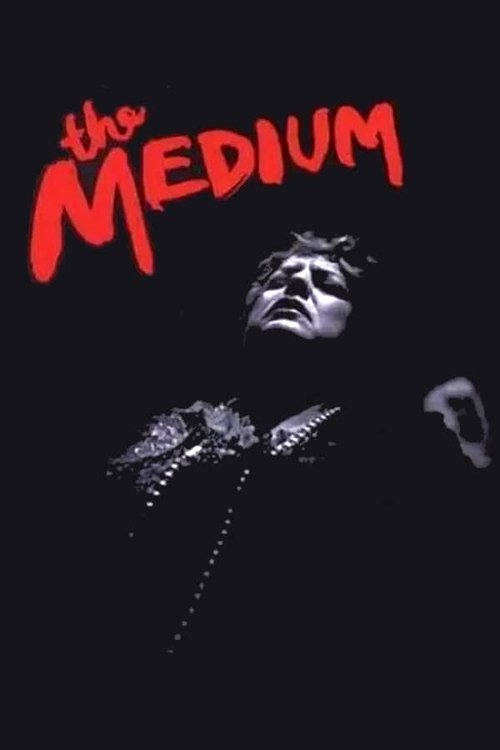
The Medium
1951
No user ratings available yet
Representation score: 6.4 out of 10

Representation Score
Good
2016
Not RatedDirector
Bertrand Bonello
Runtime
23 minutes
Average Rating
No ratings yetNew Showbiz Analysis
Bertrand Bonello’s work succeeds in challenging traditional gender hierarchies by centering on a woman's complex psychological landscape. The film's postmodernist approach allows for a fluid exploration of identity and subjective reality. However, the film is limited by its heavy reliance on a specific Western historical and cultural milieu. This focus results in lower scores for racial and ethnic diversity. Ultimately, the film trades explicit social representation for formal complexity. It replaces rigid social structures with a subjective, hallucinatory experience of history and the self.
Category Breakdown
The film uses a dream-like, meta-fictional structure that blurs the lines between performer and persona. Although there is no explicit depiction of same-sex intimacy, the focus on identity fluidity suggests a departure from the assumption that everyone is straight or cisgender.
The narrative centers on Sarah Winchester’s internal psychological struggle and her significant role in driving the story. This focus on a female figure's grief and madness shifts the gaze away from traditional masculine leadership.
The story remains tethered to a specific Western historical figure and European operatic settings. There is no explicit evidence of a non-white majority cast or intentional race-bending.
The film prioritizes an atmospheric, secularized exploration of the ghostly over traditional religious frameworks. It uses a mystical lens to frame madness and grief through moral relativism.
The narrative integrates neurodivergence and mental health into the film's reality. It portrays altered cognitive states through the blurring of hallucination and performance rather than treating madness as a plot device.
Present on Screen
Limited or Absent
Official Synopsis
An opera ballet that doesn't exist. A ghost-like piece, played in Opera Bastille and danced at Opera Garnier. An almost mystical link between both scenes. A musician is testing sounds in Bastille's pit. The choir are taking their place in the rehearsal studio. Both sides are fine tuning the work in progress of an opera ballet: Sarah Winchester, her grief, her madness, her home and her ghosts.
1951
1928
2016
1925
2013
1932
2016

1973
No reviews yet. Be the first to share your thoughts on this movie!
Use the rating form above to leave a star rating and optional review.