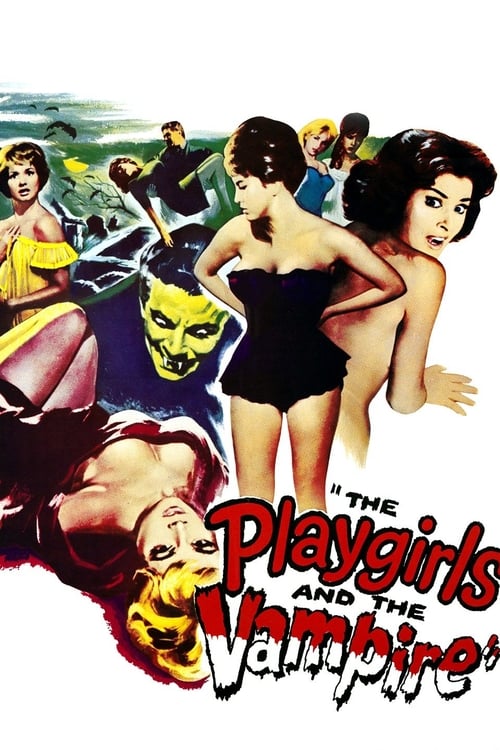
The Playgirls and the Vampire
1960
No user ratings available yet
Representation score: 2.5 out of 10
Representation Score
Fair
1960
NRDirector
Renato Polselli
Runtime
85 minutes
Average Rating
No ratings yetNew Showbiz Analysis
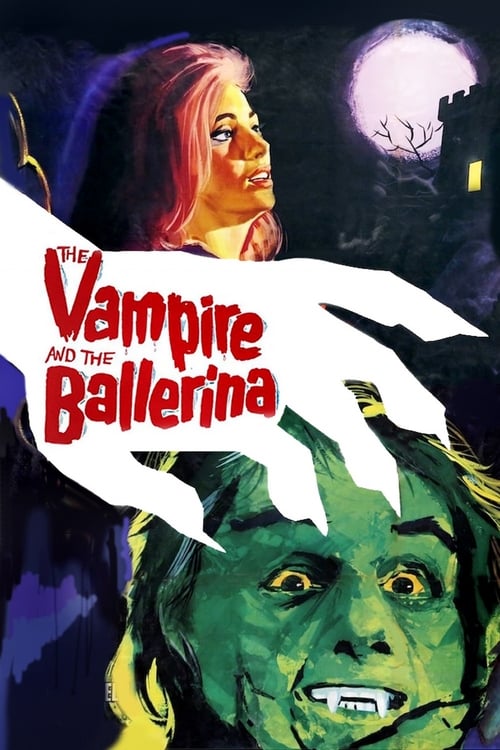
The Vampire and the Ballerina exemplifies mid-century Italian Gothic horror. It emphasizes atmospheric tension and genre clichés over complex social issues or layered identities. While the film highlights female performers through the central dancer troupe, these characters are confined to traditional roles of vulnerability. The narrative structure adheres to the era's standard casting practices without challenging them. Overall, the film functions as escapist genre cinema. It focuses on the conflict between mortals and supernatural entities within a familiar European folklore context.
Category Breakdown
The film does not include any characters with non-straight sexual orientations or non-cisgender identities. The romantic relationships follow traditional 1960s Gothic horror archetypes without challenging queer norms.
Female dancers play a significant role in the film. However, their influence is limited to survival and vulnerability within the traditional horror framework.
The cast likely reflects the homogeneous demographic standards of 1960s European cinema. There is no indication of actors from diverse racial backgrounds.
The story draws heavily on Western Gothic traditions and European folklore. It centers on the conflict between mortals and supernatural entities within a traditional European folklore setting.
There is no evidence of characters with disabilities being portrayed with real depth or ability to act. No specific instances of physical impairments are shown.
Present on Screen
Limited or Absent
Official Synopsis
A troupe of beautiful dancers find themselves stranded in a sinister castle, not knowing it is home to a group of vampires.
1960

1964
1971

1972

1967
1960

1969

1973
No reviews yet. Be the first to share your thoughts on this movie!
Use the rating form above to leave a star rating and optional review.