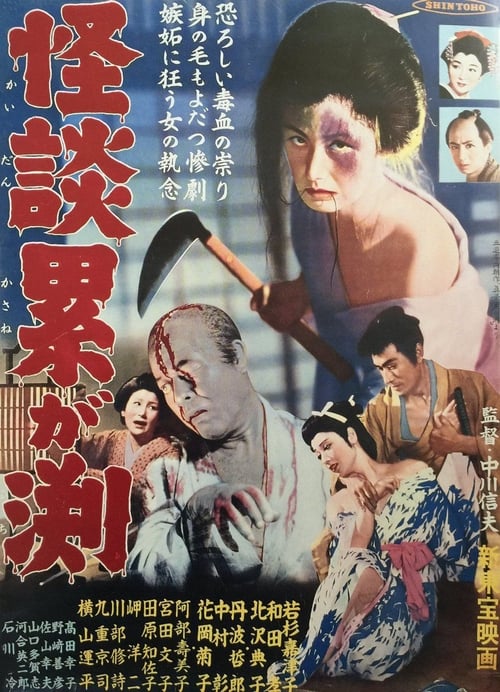
The Ghost of Kasane
1957
No user ratings available yet
Diversity score: 3.2 out of 10
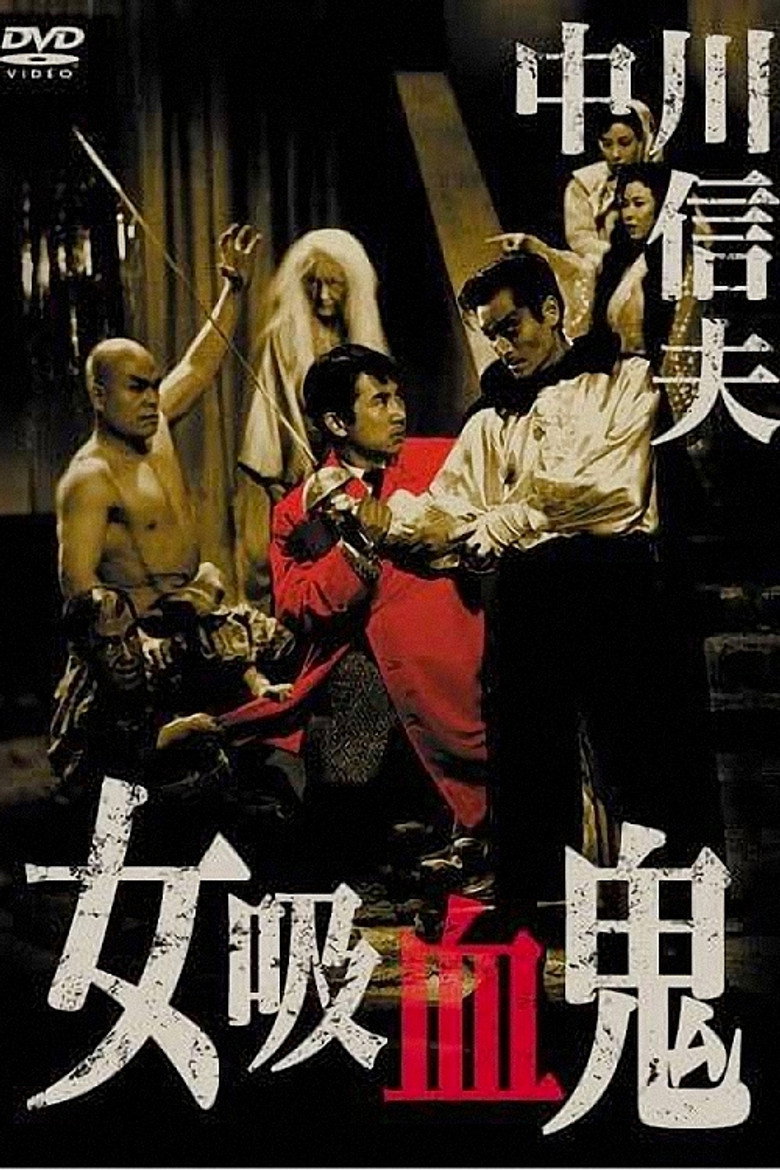
1959
Director
Nobuo Nakagawa
Runtime
78 minutes
Average Rating
No ratings yetSynopsis
Tamio takes Itsuko to an art gallery and the two find one painting is a nude portrait of Itsuko's mother, who disappeared twenty years ago when she was just a baby. No one knows the first thing about the artist who painted it, but he goes by the name Shiro Sofue, and he's always wearing shades in the daytime...
Overall Score
Fair
Category Breakdown
LGBTQ+ Representation
The film lacks any evidence of non-cisnormative identities or same-sex intimacy. The story focuses on a traditional familial mystery involving a mother and daughter.
Gender Representation
A female figure serves as the central catalyst for the plot, yet she functions more as a missing object than an active agent. Agency remains primarily with the male and female protagonists investigating the mystery.
Racial & Ethnic Diversity
The production features a culturally homogeneous cast typical of 1959 Japanese cinema. It serves as a significant cultural artifact of mid-century Japanese storytelling without intersectional racial blending.
Religious & Cultural Diversity
The narrative explores themes of memory and art through a lens of lineage and family history. It suggests a subversion of social norms via a mysterious, outsider artist.
Disability Representation
There is no mention of physical or neurodivergent disabilities within the narrative.
Strengths
Areas for Improvement
AI Analysis
The film operates within the traditional genre conventions of mid-century Japanese horror. While it centers on a female-driven mystery, the characters largely inhabit roles of victimhood and discovery rather than modern intersectional agency. The narrative architecture relies on a 'lost progenitor' trope, where the central woman is a subject of art rather than a driver of action. This limits the depth of gendered autonomy. Overall, the film is a culturally specific period piece that prioritizes psychological suspense and familial mystery over diverse social representation.
1957
1959
1957

1991

2018
1960
1960

1961
1972

1964

2009
1971
No reviews yet. Be the first to share your thoughts on this movie!
Use the rating form above to leave a star rating and optional review.