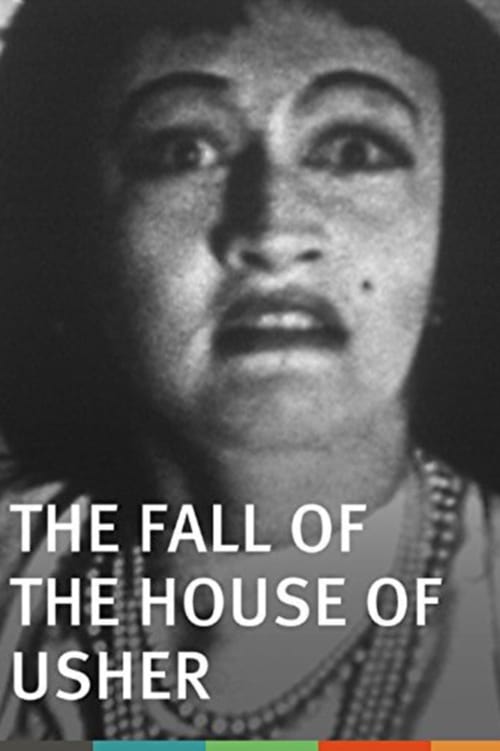
The Fall of the House of Usher
1942
No user ratings available yet
Representation score: 3.7 out of 10
Representation Score
Fair
1973
Director
Rogelio A. González
Runtime
86 minutes
Average Rating
No ratings yetNew Showbiz Analysis
The film successfully centers women's ability to drive the story and moves the narrative focus away from traditional masculine leadership. By placing the central conflict within a feminine framework, it subverts the typical male gaze often found in genre cinema. However, the work remains tied to a Eurocentric Gothic tradition. Its reliance on Poe's source material suggests a Western aesthetic lacking explicit evidence of multi-layered identity or radical systemic critique. Ultimately, the film serves as a character-driven psychological study, offering a meaningful departure from mid-century clichés through its female-centric focus, yet it lacks broader diversity in racial and queer representation.
Category Breakdown
The film explores a deep spiritual bond between two female entities but doesn't explicitly confirm their relationship as queer or challenge the assumption that everyone is straight.
The story focuses entirely on women's experiences and influences. By highlighting a woman being influenced by another woman, the film shifts power dynamics away from traditional patriarchal structures.
The film follows a Western Gothic framework inspired by Edgar Allan Poe's works. The director has a diverse background, but the specific racial makeup of the cast is not specified.
The story deals with subjective morality and the blending of life and art. It stays rooted in a traditional Western literary tradition without exploring diverse institutional moralities.
There is no information about the portrayal of physical or mental health disabilities. The theme of possession is treated as a supernatural concept rather than a disability issue.
Present on Screen
Limited or Absent
Official Synopsis
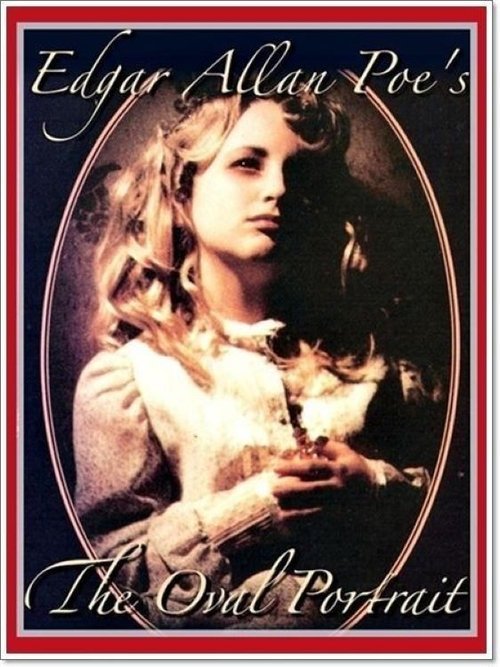
A woman finds herself possessed by the soul of another woman trapped inside a painting. Based on a work by Edgar Allan Poe, aka The Oval Portrait.
1942
1928
1951
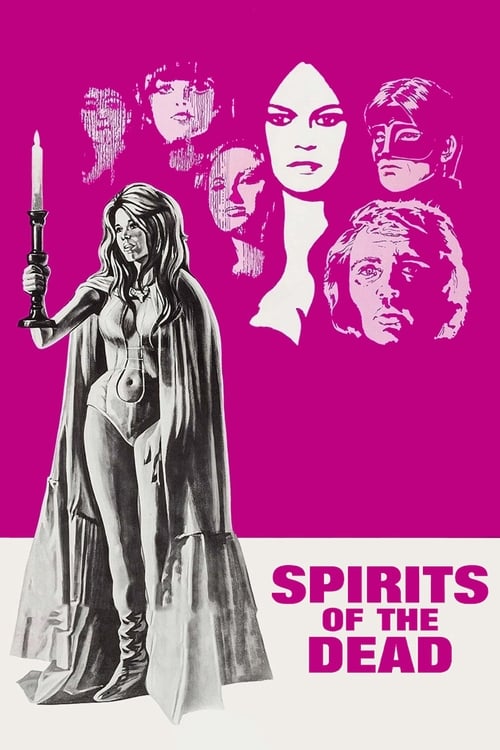
1968
1969
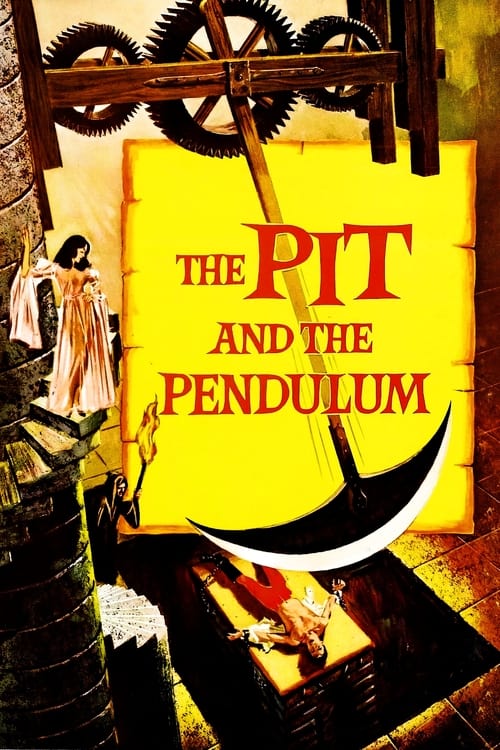
1961
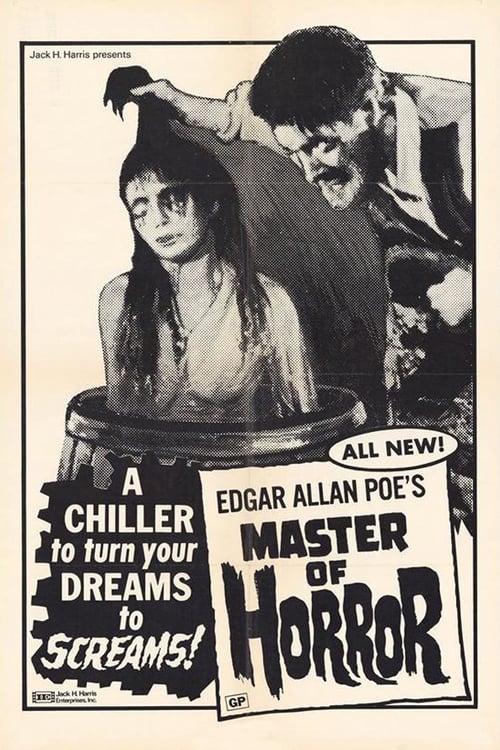
1965
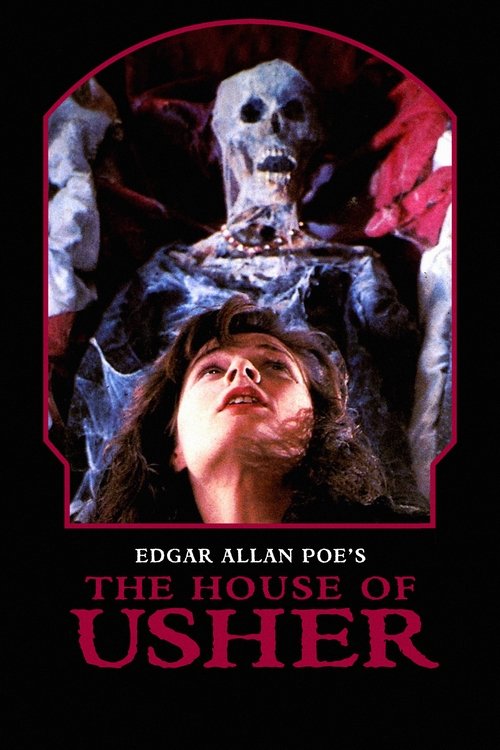
1989
No reviews yet. Be the first to share your thoughts on this movie!
Use the rating form above to leave a star rating and optional review.