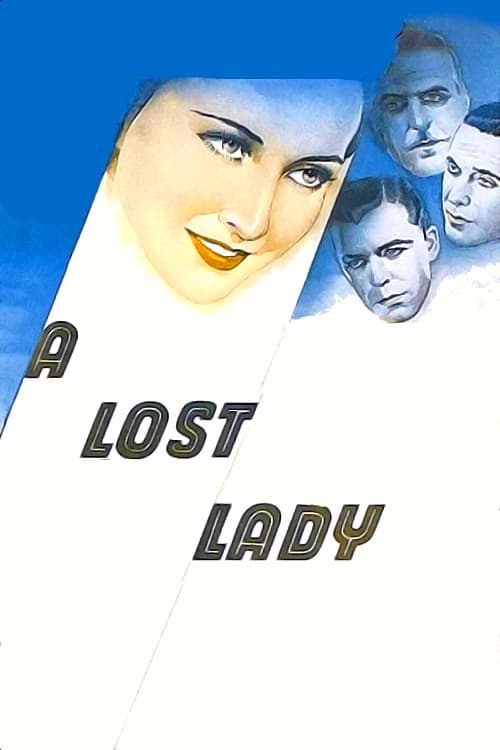
A Lost Lady
1934
No user ratings available yet
Diversity score: 2.8 out of 10

1935
NRDirector
Alfred E. Green
Runtime
69 minutes
Average Rating
No ratings yetSynopsis
When his fiancée Valentine dumps him, prominent lawyer Geoffrey Sherwood goes on a bender and winds up married to a stranger, Miriam Brady. They decide to give their marriage a chance. Their landlady, a one-time Floradora girl, offers to help Miriam become refined. Successful again, Geoffrey is approached ("if only we were free") by Valentine. Miriam tells Valentine off in no uncertain terms. Geoffrey moves into his club where Valentine's husband tells him he is a fool to leave Miriam
Overall Score
Limited
Category Breakdown
LGBTQ+ Representation
The film follows a traditional romantic trajectory centered on heteronormative marriage. There is no evidence of non-heteronormative identities or narratives that challenge standard mid-century conventions.
Gender Representation
Miriam shows agency by confronting her husband's former fiancée. However, the plot remains driven by the male protagonist's emotional instability and his subsequent marital choices.
Racial & Ethnic Diversity
The narrative focuses on class distinctions within a likely homogeneous social framework. There is no indication of intersectional casting or non-Anglo-Saxon characters driving the story.
Religious & Cultural Diversity
The story emphasizes social respectability and the importance of 'refinement.' It operates within a traditionalist framework that prioritizes interpersonal morality and established class structures.
Disability Representation
The film contains no mention of characters with visible or invisible disabilities. No representation of disability is present in the narrative.
Strengths
Areas for Improvement
AI Analysis
The film is a conventional 1930s drama that adheres strictly to the social and moral hierarchies of its era. It prioritizes traditional romantic tropes and class-based social mobility over any meaningful disruption of established norms. While the female lead demonstrates some individual agency, the central engine of the plot is the male protagonist's actions and emotional state. The narrative structure reinforces traditional gender roles and social respectability. Ultimately, the film lacks diversity in terms of racial, cultural, and LGBTQ+ representation. It functions as a period piece that reflects the homogeneous and conservative values of the studio system era.
1934
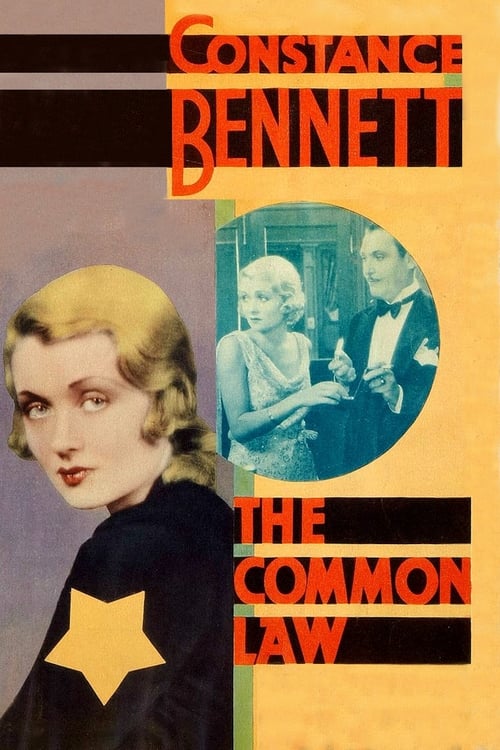
1931
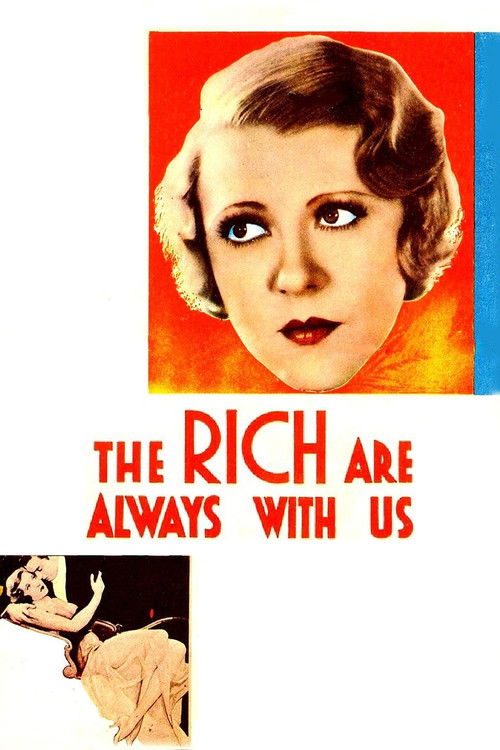
1932
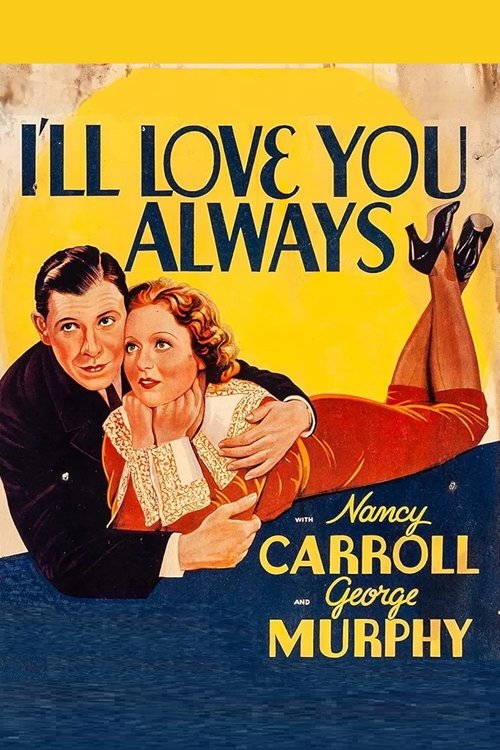
1935
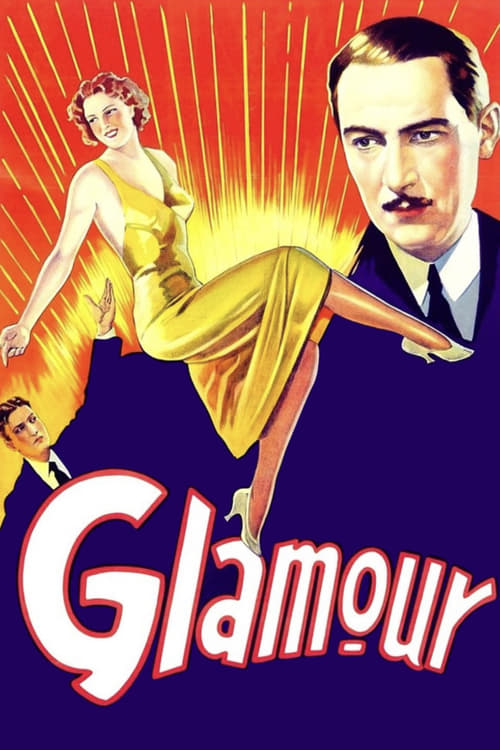
1934
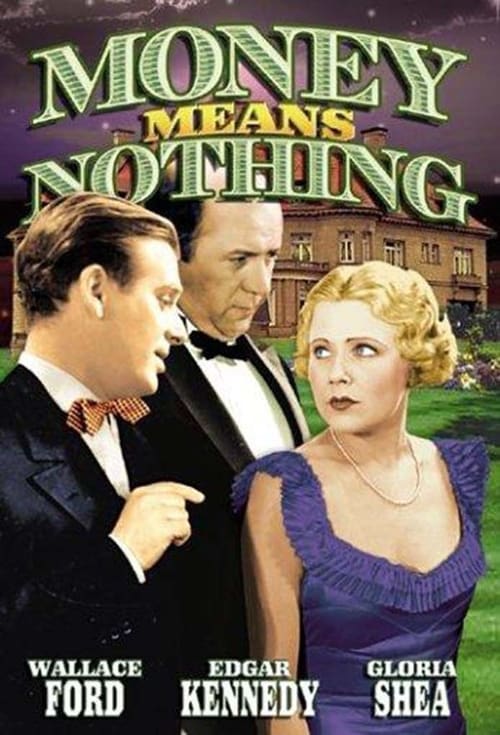
1934
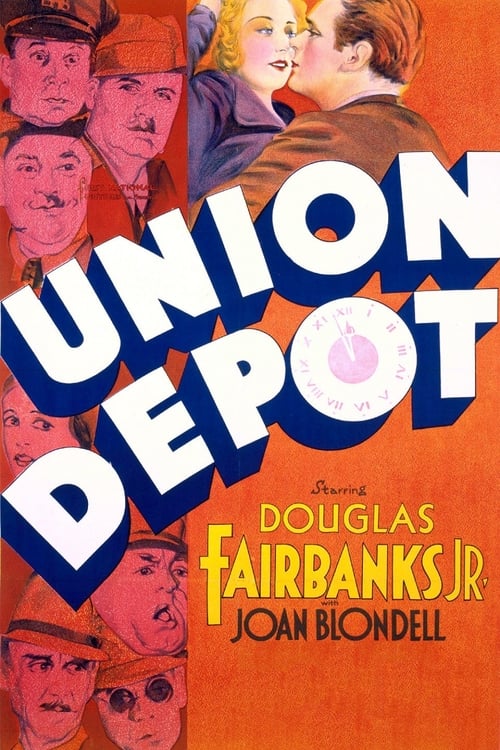
1932
1936
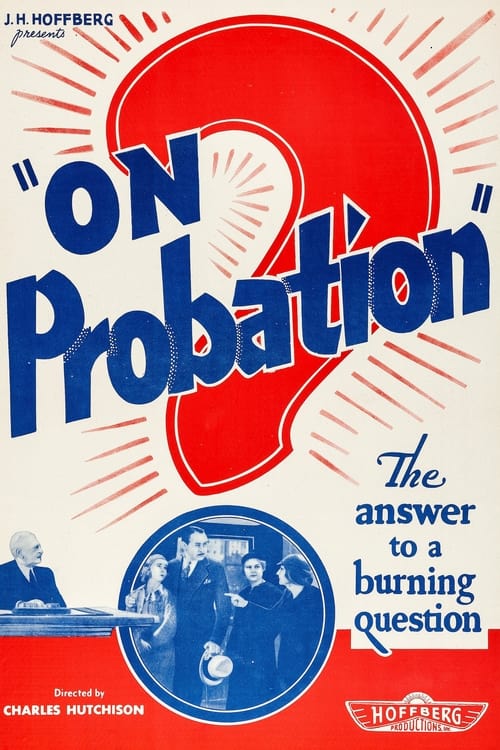
1935
1932
1925
1932
No reviews yet. Be the first to share your thoughts on this movie!
Use the rating form above to leave a star rating and optional review.