George Washington Cohen
1928
No user ratings available yet
Diversity score: 2.8 out of 10
1932
NRDirector
Alfred E. Green
Runtime
67 minutes
Average Rating
No ratings yetSynopsis
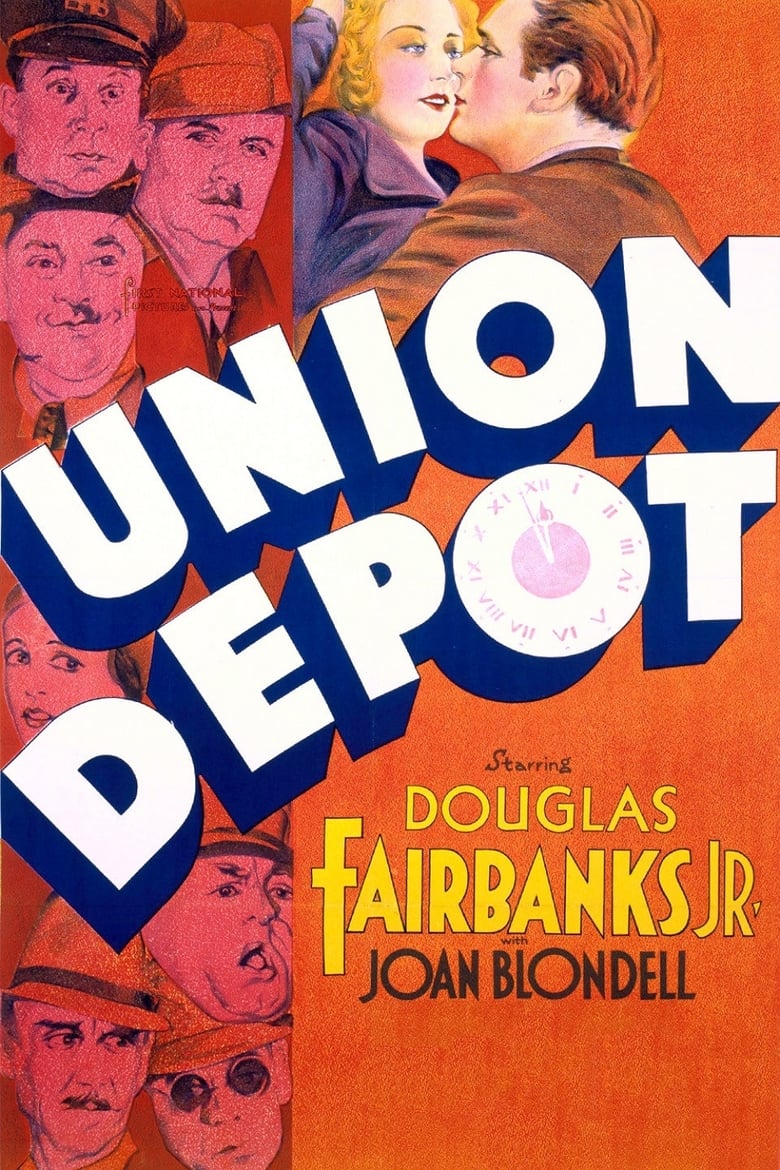
Among the travelers of varied backgrounds that meet and interact on one night at Union Depot, a metropolitan train station, are Chick and his friend Scrap Iron, both newly released from prison after serving time for vagrancy. Hungry and desperate for a break, Chick fortuitously comes across across a valise abandoned by a drunken traveler. In it he finds a shaving kit and a suit of clothes with a bankroll, which help transform the affable tramp into a dashing gent. After buying himself a meal, Chick seeks some female companionship among the many hustlers who walk the station. He propositions Ruth Collins, a stranded, out-of-work showgirl and takes her to the station's hotel.
Overall Score
Limited
Category Breakdown
LGBTQ+ Representation
The film lacks evidence of LGBTQ+ characters or non-heteronormative identities. The plot centers on a traditional heterosexual romantic proposition between Chick and Ruth Collins.
Gender Representation
Narrative agency is heavily concentrated in the male protagonist. While Ruth Collins is a central figure, she is defined largely by her economic vulnerability and her interaction with Chick.
Racial & Ethnic Diversity
The film mentions travelers of varied backgrounds, but lacks specific evidence of racial diversity. In this era, such descriptions often prioritized socioeconomic status over intersectional representation.
Religious & Cultural Diversity
The story focuses on individual luck and social mobility through the 'tramp' archetype. It avoids systemic critiques of capitalism or Western institutions in favor of personal circumstance.
Disability Representation
There is no information available regarding the depiction of physical, sensory, or neurodivergent disabilities in this film.
Strengths
Areas for Improvement
AI Analysis
Union Depot is a conventional 1932 period piece that adheres to the standardized narrative structures of the early studio era. It relies on established character archetypes, such as the opportunistic man and the vulnerable woman, to drive its plot. The film prioritizes situational comedy and individual luck over any meaningful exploration of intersectional identities. It functions within the social hierarchies of its time rather than attempting to subvert them. Ultimately, the work lacks the intentionality required to disrupt the gendered or racial norms prevalent in early 20th-century cinema.
1928
1940
1936

1927
1935

1923
1935
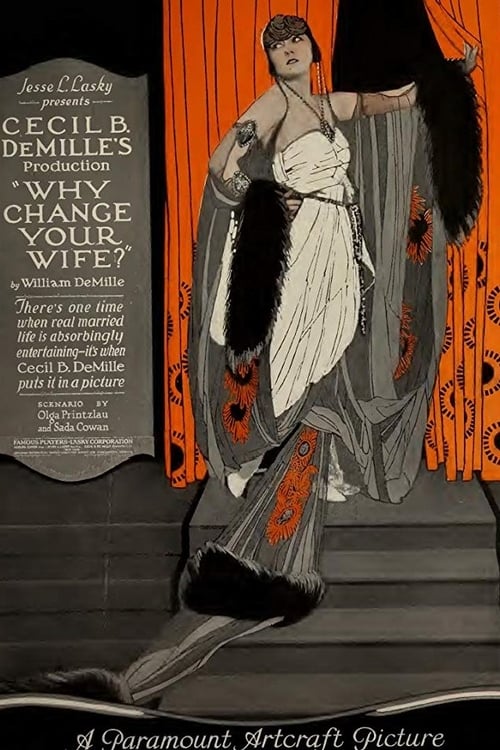
1920
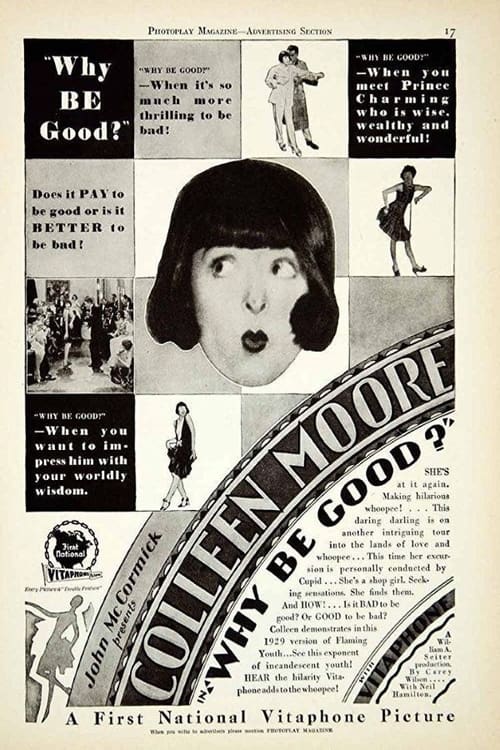
1929

1945
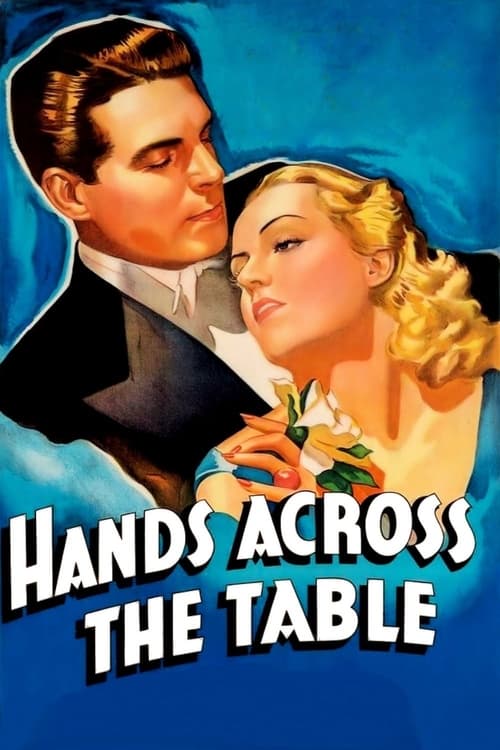
1935
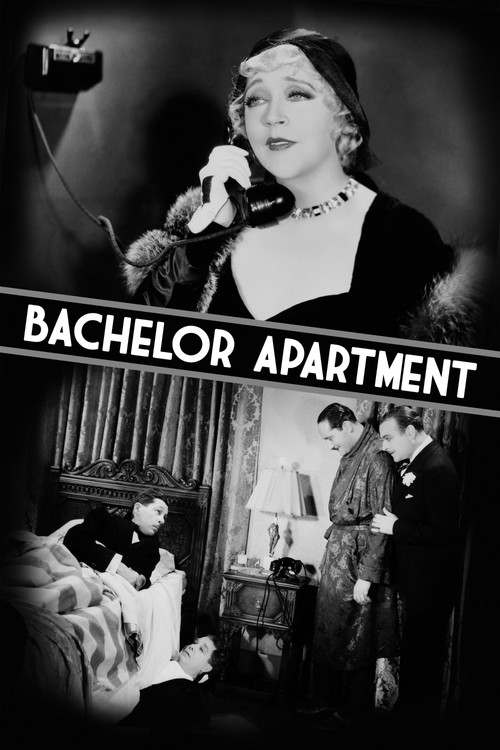
1931
No reviews yet. Be the first to share your thoughts on this movie!
Use the rating form above to leave a star rating and optional review.