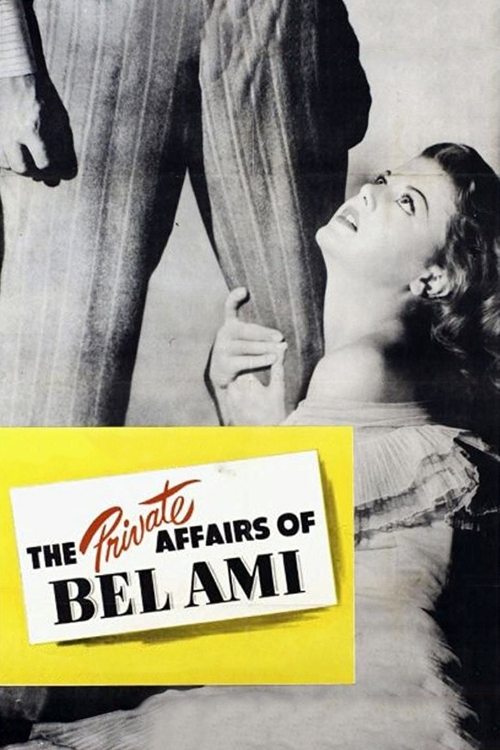
The Private Affairs of Bel Ami
1947
No user ratings available yet
Diversity score: 3.7 out of 10
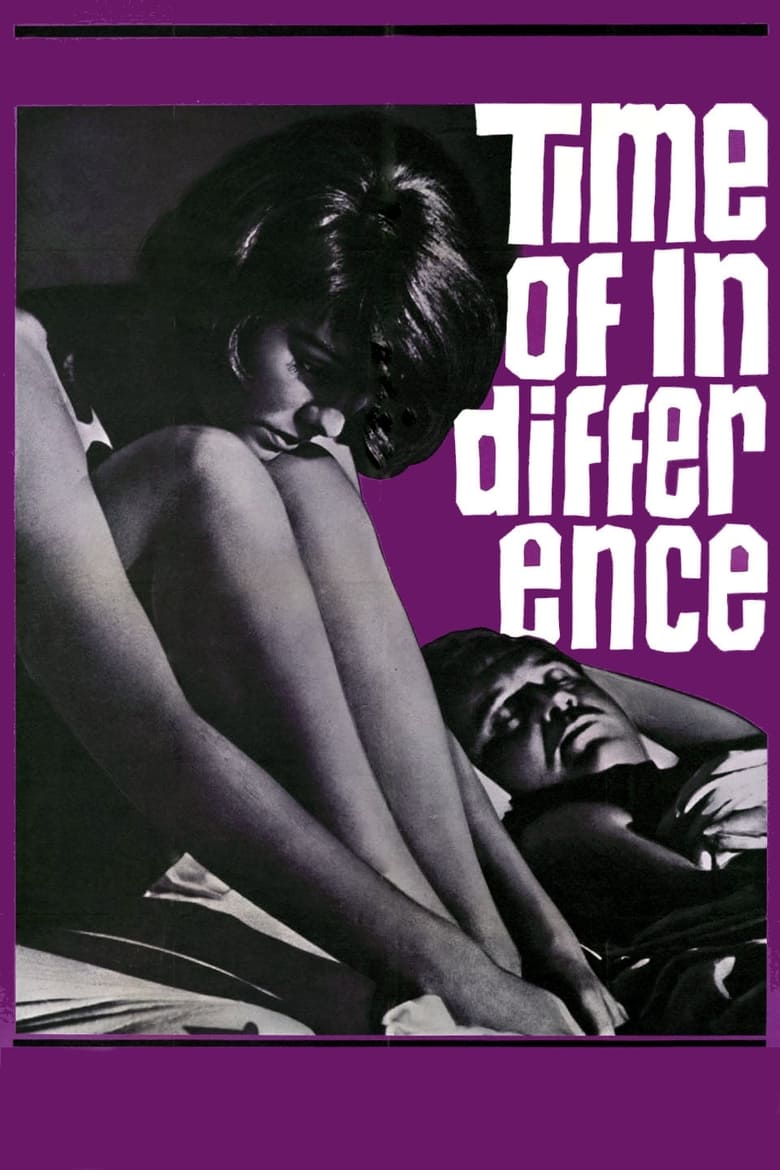
1964
NRDirector
Francesco Maselli
Runtime
86 minutes
Average Rating
No ratings yetSynopsis
A penniless countess falls in love with a cad, unaware that he is also involved on the side with her beautiful daughter.
Overall Score
Fair
Category Breakdown
LGBTQ+ Representation
The film lacks LGBTQ+ characters or explorations of non-heteronormative identities. The narrative focuses strictly on the material conditions of the proletariat and economic survival.
Gender Representation
Women are depicted through the lens of economic necessity rather than personal agency. While the film shows how hardship strains domestic structures, it does not actively subvert patriarchal hierarchies.
Racial & Ethnic Diversity
The cast and setting are largely homogeneous, reflecting the cinematic constraints of 1964 Italy. The story focuses on the internal class struggles of the Italian working class.
Religious & Cultural Diversity
The film excels in critiquing established institutional frameworks. It portrays the capitalist economic system as indifferent to human suffering, challenging traditional celebrations of industrial progress.
Disability Representation
There is no explicit focus on physical or neurodivergent disabilities. Instead, the film explores how systemic poverty functions as a debilitating force that limits human agency.
Strengths
Areas for Improvement
AI Analysis
Francesco Maselli’s work is a study of systemic inequity rather than demographic variety. The film prioritizes a critique of capitalist institutions and the indifference of the industrial machine over individualist melodrama. While the narrative lacks intersectional representation, it offers a sophisticated deconstruction of Western economic structures. It frames the struggle of the laboring class as a central, systemic conflict. Ultimately, the film's strength lies in its social realism, though it remains limited by the homogeneous casting and traditional gender roles typical of its era.
1947
1960
1957
1958
1964
1943
1946
1960

1956
1960
1953
1962
No reviews yet. Be the first to share your thoughts on this movie!
Use the rating form above to leave a star rating and optional review.