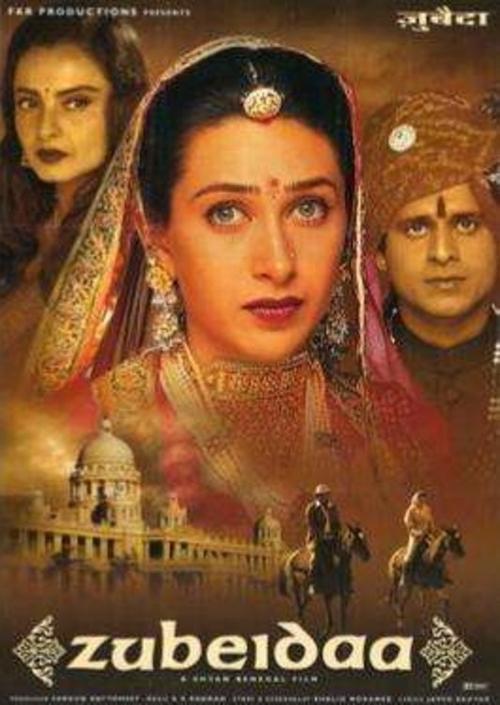
Zubeidaa
2001
No user ratings available yet
Representation score: 5.9 out of 10

Representation Score
Limited
1963
Director
M. Sadiq
Runtime
145 minutes
Average Rating
No ratings yetNew Showbiz Analysis
Taj Mahal (1963) is a traditional historical epic that prioritizes the glorification of the Mughal Empire. It succeeds in providing a South Asian-centric perspective and aesthetics, which was distinct from the global cinematic trends of its time. However, the film adheres strictly to the social and romantic hierarchies of the 1960s. Female characters' roles are defined by their romantic devotion rather than independent ability to act. Ultimately, the film celebrates classical morality and historical legend. It lacks modern characters who reflect more than one aspect of diversity, focusing instead on the grandeur of a specific imperial legacy.
Category Breakdown
The film focuses on a heterosexual relationship ideal. There are no visible LGBTQ narratives or non-binary gender identities present in this historical legend.
Mumtaz Mahal plays a crucial role as an emotional catalyst, but her influence is tied to her position as a beloved spouse. The power dynamics in the film are rooted in traditional imperial hierarchies.
The production features a predominantly South Asian cast and setting. It offers a significant contrast to the Anglo-Saxon-centric narratives common in Western cinema of the 1960s.
The story emphasizes the mythologized version of the Mughal dynasty, highlighting traditional values of marriage and devotion. It reinforces historical reverence rather than exploring secular themes.
There is no documented evidence of the portrayal of physical or neurodivergent disabilities within the narrative.
Present on Screen
Limited or Absent
Official Synopsis
Based on the historical legend, this commercially successful film delves into the context of why Mughal emperor Shah Jahan built the Taj Mahal in fond remembrance of his wife, Mumtaz Mahal.
2001

1957
1928
2008
1954
1963
1960
1999
No reviews yet. Be the first to share your thoughts on this movie!
Use the rating form above to leave a star rating and optional review.