
Kanche
2015
No user ratings available yet
Representation score: 4.2 out of 10
Representation Score
Fair
2008
PG-13Director
Ashutosh Gowariker
Runtime
213 minutes
Average Rating
No ratings yetNew Showbiz Analysis
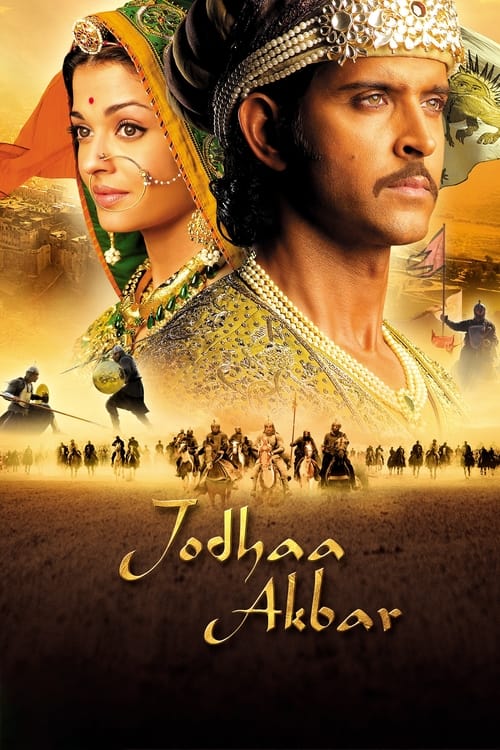
Jodhaa Akbar is a sophisticated historical epic that uses a central romance to break down rigid sectarian boundaries. It moves beyond traditional monolithic storytelling to propose a model of cultural syncretism and pluralism. The film's strength lies in its ability to dismantle the binary between major religious factions. By emphasizing mutual ability to act and the fusion of disparate identities, it presents a progressive vision of social cohesion. However, the narrative remains limited by its narrow focus on heterosexual romance and its lack of representation regarding disability or LGBTQ+ identities.
Category Breakdown
The film focuses solely on a heterosexual relationship and does not include any characters with LGBTQ+ identities or queer subtext.
Jodhaa disrupts historical clichés by showing a significant role in driving the story and intelligence. She actively shapes her political environment rather than being a passive figure.
The narrative blends Mughal and Rajput lineages successfully. It uses the central marriage to represent the integration of diverse ethnic and religious backgrounds.
The story emphasizes religious pluralism and the blended culture of North India. It portrays rigid sectarian dogma as an obstacle to a unified society.
No significant depictions of physical or neurodivergent disabilities are present within the primary narrative arc.
Present on Screen
Limited or Absent
Official Synopsis
A sixteenth century love story about a marriage of alliance that gave birth to true love between a Mughal emperor and a Rajput princess.
2015
1995
2015
1997
2019
1999
1960
2005
No reviews yet. Be the first to share your thoughts on this movie!
Use the rating form above to leave a star rating and optional review.