Umrao Jaan
1981
No user ratings available yet
Representation score: 5.5 out of 10
Representation Score
Limited
1954
Director
Sohrab Modi
Runtime
145 minutes
Average Rating
No ratings yetNew Showbiz Analysis
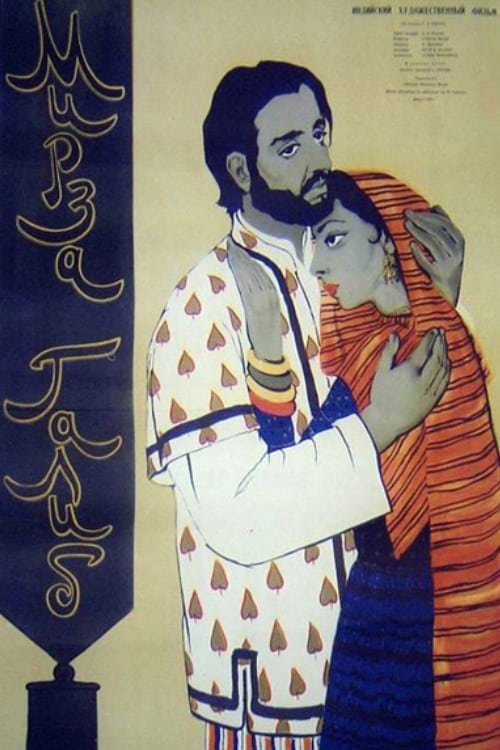
Sohrab Modi’s biopic focuses on historical preservation rather than social disruption. It excels at recreating a specific era, providing a rich, non-Western perspective that feels authentic to the period. However, the film remains tied to the rigid social hierarchies of the 19th century. The lack of diverse representation and the heavy focus on male intellectual struggles limit its modern appeal. Ultimately, the film prioritizes period-accurate depictions of the Mughal aristocracy over challenging traditional gender or social norms.
Category Breakdown
The film follows strict 19th-century Mughal social and romantic customs. There are no depictions of LGBTQ+ identities or same-sex relationships, focusing instead on heterosexual relationships.
Male characters dominate the narrative ability to act within a patriarchal system. Female characters, such as the courtesan, have cultural influence but do not challenge traditional gender roles.
The production achieves high ethnic authenticity with a South Asian cast. It recreates the Delhi setting accurately, offering a non-Western perspective that avoids a Eurocentric viewpoint.
The story is deeply rooted in Islamic culture and Sufi-influenced philosophy. It offers a nuanced view of the Mughal Empire's decline through the poet's melancholic perspective.
There are no prominent depictions of visible or invisible disabilities that serve as central narrative drivers in this historical account.
Present on Screen
Limited or Absent
Official Synopsis
A fictionalized account of the life of poet and nobleman Mirza Ghalib during the reign of the last Mughal Emperor, told through the lens of his ill-fated love for a beautiful courtesan he called Chaudhvin.
1981

1969
2006
2008
1982
1949

1957
1951
No reviews yet. Be the first to share your thoughts on this movie!
Use the rating form above to leave a star rating and optional review.