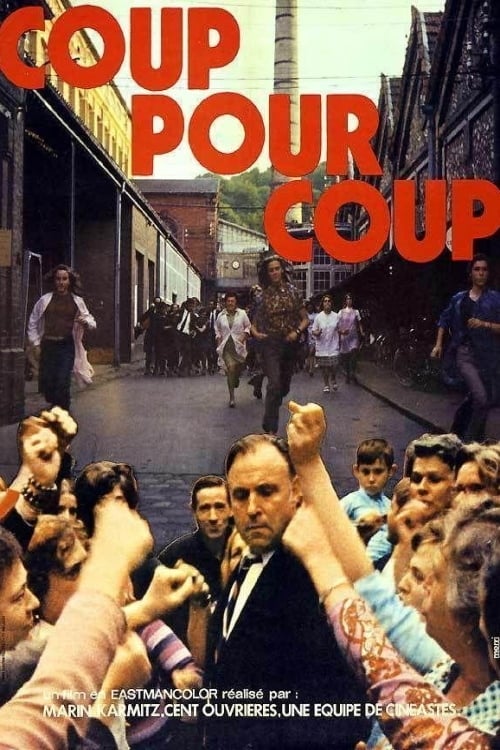
Blow for Blow
1972
No user ratings available yet
Representation score: 6.3 out of 10
Representation Score
Limited
1960
NRDirector
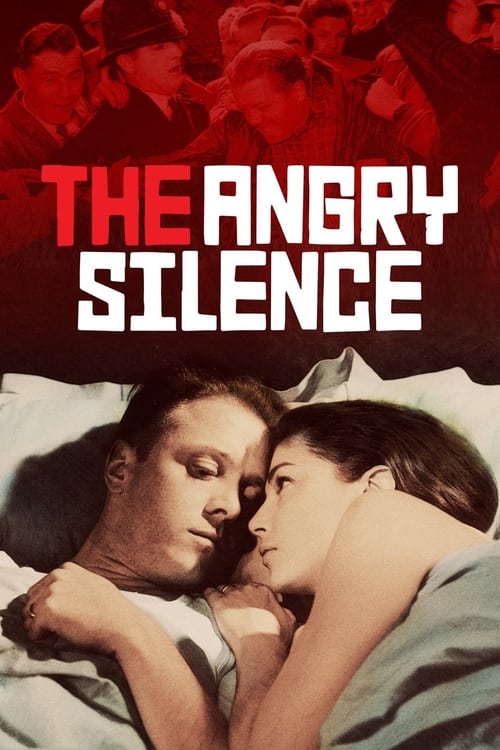
Guy Green
Runtime
95 minutes
Average Rating
No ratings yetNew Showbiz Analysis
The Angry Silence is a period piece that emphasizes a single, homogeneous viewpoint. It centers on a male protagonist's struggle with professional institutions, focusing on a narrow perspective. The film adheres to the social and cinematic standards of 1960, lacking diverse representation. While it explores the tension between individual temperament and systemic conformity, it does so through a limited lens. Ultimately, the narrative upholds traditional hierarchies and archetypes, offering a Eurocentric view of professional and social life.
Category Breakdown
The film does not include any LGBTQ+ characters or non-straight storylines. Relationships and interpersonal dynamics follow traditional social norms of the time.
The narrative focuses mainly on the male protagonist. Female characters play supporting roles, functioning primarily as emotional support rather than driving the main storyline.
The cast and setting are predominantly white, reflecting the standards of 1960s British cinema. There is no significant representation of non-white actors.
The story examines the tension between individuals and professional institutions. It provides a moderate critique of strict, hierarchical systems.
The film does not depict any meaningful portrayal of physical or neurodivergent conditions. The protagonist's behavior is described as a personality trait rather than a condition.
Present on Screen
Limited or Absent
Official Synopsis
When the union in his factory walks out on strike, a family man refuses to participate, risking the wrath — and retaliation — of his fellow workers.
1972
1963
1958
1971

1981
1954
1963

1963
No reviews yet. Be the first to share your thoughts on this movie!
Use the rating form above to leave a star rating and optional review.