Blow for Blow
1972
No user ratings available yet
Representation score: 6.3 out of 10
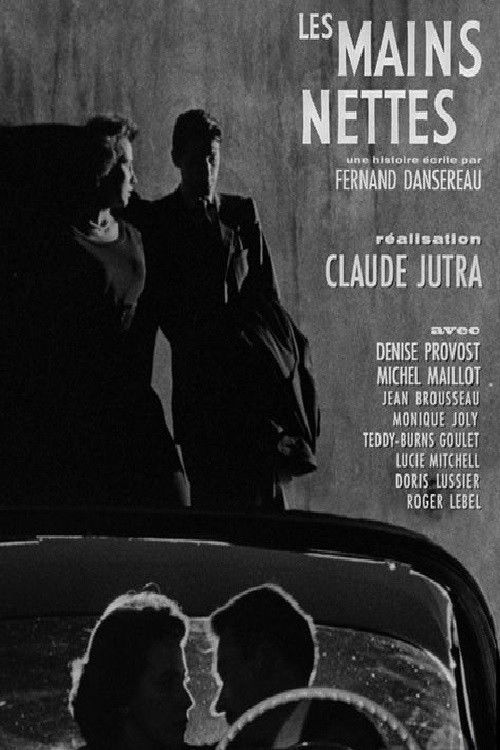
Representation Score
Fair
1958
Director
Claude Jutra
Runtime
73 minutes
Average Rating
No ratings yetNew Showbiz Analysis
Washed Hands is a social drama that prioritizes class struggle over individual identity markers. Its narrative focuses on the friction between labor ability to act and corporate efficiency, offering a critique of systemic industrial pressures. While the film lacks explicit representation of multiple aspects of identity, it succeeds in challenging traditional power dynamics. The focus remains on the collective struggle of the working class against the streamlining forces of capitalism. Ultimately, the film serves as a study of institutional authority. It finds its strength in depicting the ability to act of workers fighting against encroaching management structures.
Category Breakdown
The film does not provide explicit details about non-straight relationships. The score reflects a neutral baseline typical of mid-century social realism and class-focused dramas.
Set in a male-dominated trucking industry, the film offers potential to challenge traditional command structures. The struggle against detached authority figures provides a framework for questioning patriarchal hierarchies.
The 1958 Quebecois setting suggests a largely homogenous cast. However, the narrative uses the workers' outsider status to explore broader themes of social stratification.
The film provides a strong critique of Western institutional power. It prioritizes collective ability to act and social solidarity over the dehumanizing pressures of industrial capitalism.
There is no evidence of characters with visible or invisible disabilities within the narrative.
Present on Screen
Limited or Absent
Official Synopsis
An efficiency expert is called in to downsize a trucking company and the employees fight to establish a union to save their jobs.
1972
1963

2018
1971

1981
1954
1960
1987
No reviews yet. Be the first to share your thoughts on this movie!
Use the rating form above to leave a star rating and optional review.