
The Fall of the Romanoffs
1918
No user ratings available yet
Diversity score: 2.9 out of 10
1980
Runtime
134 minutes
Average Rating
No ratings yetSynopsis
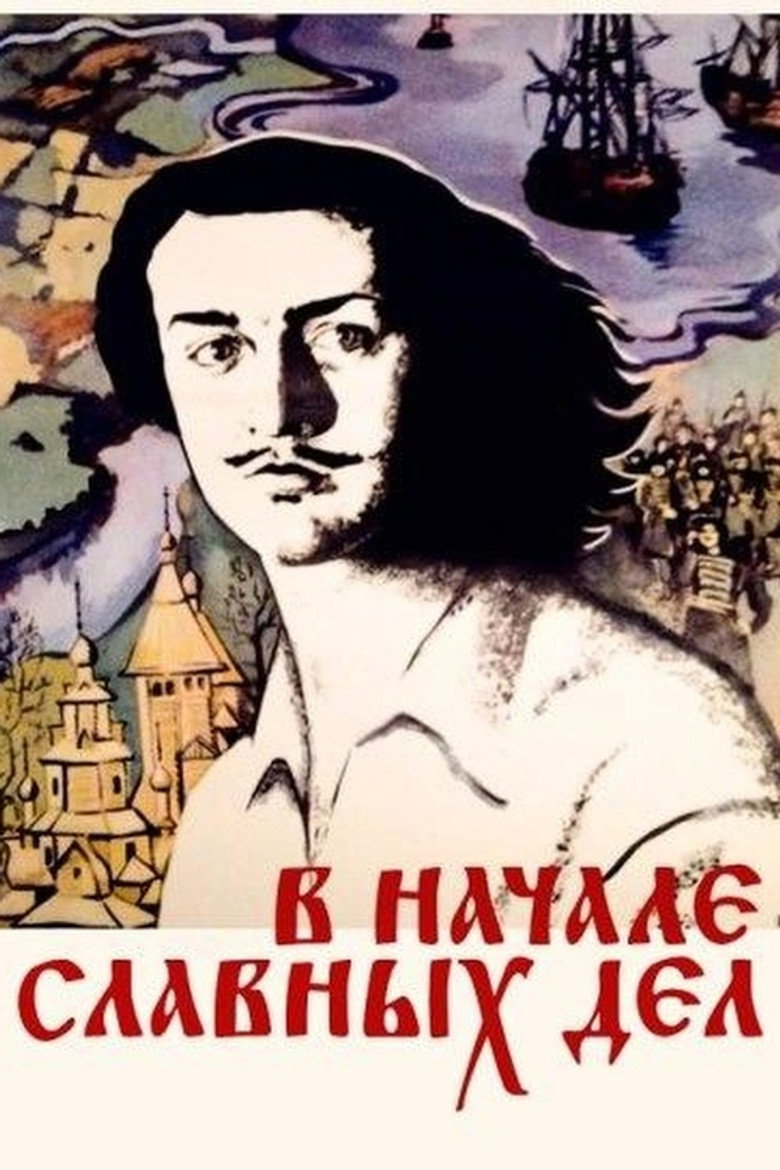
Late 17th century. With no access to the sea, Russia suffers great losses in foreign trade. Peter tries to capture the Turkish fortress of Azov, but with no success: he can win only if he has a fleet. Peter’s ukases provoke the Boyars’ indignation. Europe looks in amazement: the Russian tsar begins to work at a Dutch shipyard learning the subtleties of shipbuilding?! But his training is cut short. Peter has to return to Russia in order to brutally suppress the Streltsy rebellion organized by his sister Sophia.
Overall Score
Limited
Category Breakdown
LGBTQ+ Representation
The film focuses on 17th-century Russian statecraft and military expansion. There are no depictions of non-heteronormative identities or same-sex intimacy.
Gender Representation
Sophia provides significant political agency as the architect of the Streltsy rebellion. However, the power structure remains centered on masculine leadership and military conquest.
Racial & Ethnic Diversity
The cast reflects the homogeneous demographic of the 17th-century Russian state. While international relations are mentioned, the focus is on internal ethnic stratification.
Religious & Cultural Diversity
The narrative critiques traditionalist institutions as obstacles to progress. It emphasizes secular modernization and the pursuit of Western technical knowledge over isolationist norms.
Disability Representation
There is no evidence of characters with visible or invisible disabilities integrated into the narrative.
Strengths
Areas for Improvement
AI Analysis
At the Beginning of Glorious Days is a traditional historical epic centered on the consolidation of state power. It prioritizes the tension between old-world stagnation and the necessity of rapid, forceful modernization under Peter the Great. The film lacks modern intersectional representation, focusing instead on the disruption of entrenched, traditionalist hierarchies. While it does not feature diverse identities, it offers a progressive critique of stagnant, inherited authority. Ultimately, the work functions as a study of national identity and the transition from decentralized power to a centralized, modernized state.
1918
1975

1944
1980

2013
1913

1952

1990
1976
1939

1919

2008
No reviews yet. Be the first to share your thoughts on this movie!
Use the rating form above to leave a star rating and optional review.