Trust
1976
No user ratings available yet
Diversity score: 3.9 out of 10
1975
RDirector
Veljko Bulajić
Runtime
130 minutes
Average Rating
No ratings yetSynopsis
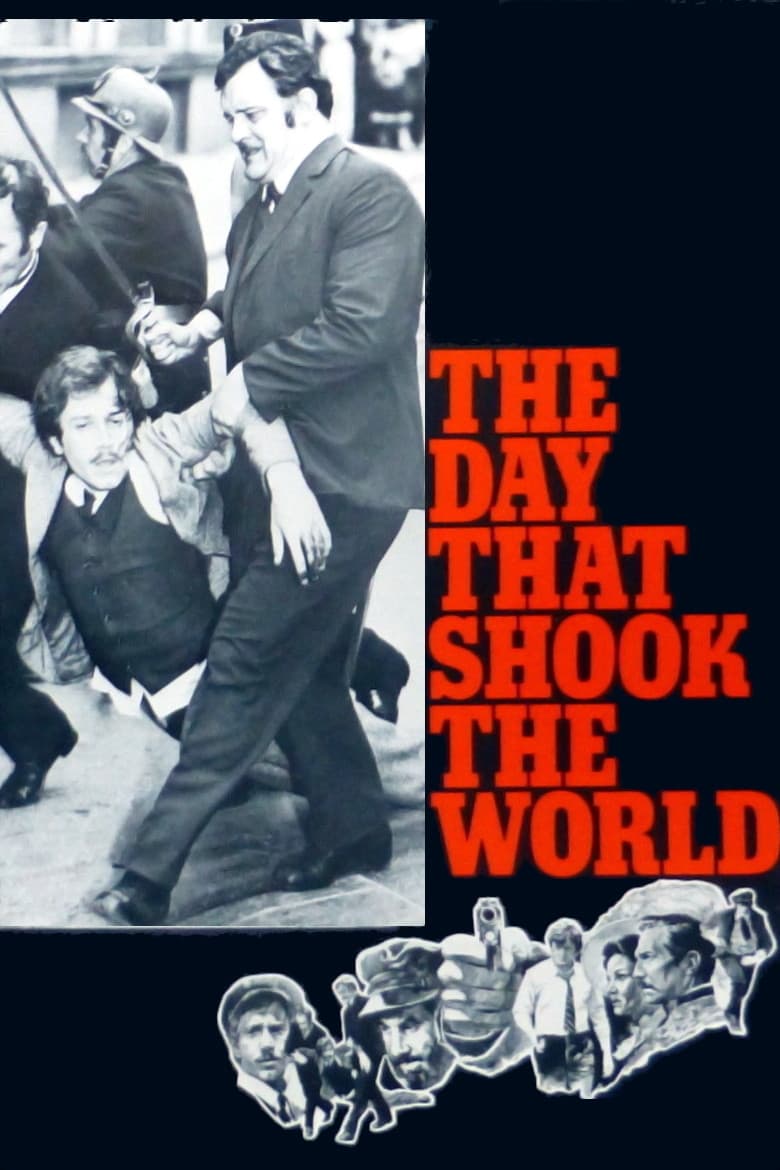
An historical depiction of the events preceding the political murder of Archduke Franz Ferdinand, would-be emperor of the Austro-Hungarian throne, in Sarajevo on June 28th, 1914.
Overall Score
Fair
Category Breakdown
LGBTQ+ Representation
The film focuses strictly on geopolitical and paramilitary maneuvers. It contains no non-cisnormative identities or narratives that challenge heteronormativity.
Gender Representation
The narrative centers on male-dominated political conspiracies and military brotherhoods. Female characters remain peripheral, serving traditional roles within a patriarchal structure.
Racial & Ethnic Diversity
The cast is ethnically homogeneous, reflecting the specific South Slavic and Austro-Hungarian regional context. It avoids Western-style whitewashing by centering local identities.
Religious & Cultural Diversity
The film deconstructs Western-aligned institutions by focusing on the dismantling of monarchical power. It frames political vigilantism as a catalyst for systemic historical transition.
Disability Representation
There is no significant evidence regarding the portrayal of physical or neurodivergent disabilities within the film.
Strengths
Areas for Improvement
AI Analysis
The film functions as a historical epic that prioritizes political upheaval over modern intersectional representation. While it lacks diversity in gender and LGBTQ+ categories, it offers a sophisticated critique of imperialist power structures. Its strength lies in its cultural perspective, using a socialist Yugoslavian lens to challenge traditional monarchical authority. However, the heavy focus on male-driven military and political plots limits its broader social inclusivity.
1976
1939
2006
1987
2014
1990
1913
2008

1972
2004
2006
1918
No reviews yet. Be the first to share your thoughts on this movie!
Use the rating form above to leave a star rating and optional review.