The Human Revolution
1973
No user ratings available yet
Representation score: 1.7 out of 10
Representation Score
Excellent
1973
Not RatedDirector
Yoshishige Yoshida
Runtime
110 minutes
Average Rating
No ratings yetNew Showbiz Analysis
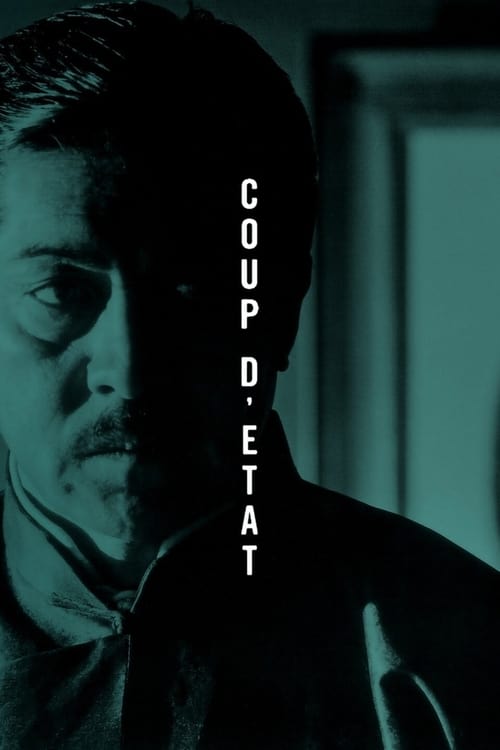
Yoshishige Yoshida’s *Coup d'Etat* stands out for its subversion of traditional gender roles and rejection of Western-centric historical narratives. By placing a woman at the heart of a radical political struggle, the film gives her a leading role in driving the story, a departure from the typical portrayal of female characters in mid-century historical dramas. However, the film is limited by its ethnic homogeneity and a lack of explicit representation for LGBTQ+ and disabled characters. The narrative prioritizes psychological and political themes over a diverse range of social identities. Ultimately, the film’s strength lies in its cultural critique and its ability to deconstruct institutional power through a non-traditional, avant-garde lens.
Category Breakdown
The film does not prominently feature LGBTQ+ identities or explore non-traditional romantic relationships. Queer identity is not a central theme, though the movie touches on the fluidity of desire amid political changes.
The film centers a female protagonist in a revolutionary context, disrupting traditional gender hierarchies. She plays a significant role in driving the story through radical intellectualism and systemic change, rather than being confined to domestic settings.
The cast is predominantly Japanese, reflecting a culturally specific setting. While the film avoids a Western-centric perspective, it does not actively seek out a diverse ethnic composition.
The film provides a deep critique of Western-aligned state structures and post-war political orders. It employs a fragmented narrative style to reject traditional Western storytelling and challenge established institutional authority.
The film does not prominently feature characters with visible or invisible disabilities as central plot devices. The narrative focuses primarily on the psychological and political dimensions of revolution.
Present on Screen
Limited or Absent
Official Synopsis
A freestyle biopic of Ikki Kita, the ultranationalist intellectual whose ideas inspired the failed military coup in 1936.
1973

1951

2000
1989

1972
1959
2001

1937
No reviews yet. Be the first to share your thoughts on this movie!
Use the rating form above to leave a star rating and optional review.