
Snow Flower and the Secret Fan
2011
No user ratings available yet
Representation score: 8.9 out of 10
Representation Score
Fair
1995
PG-13Director
Kayo Hatta
Runtime
94 minutes
Average Rating
No ratings yetNew Showbiz Analysis
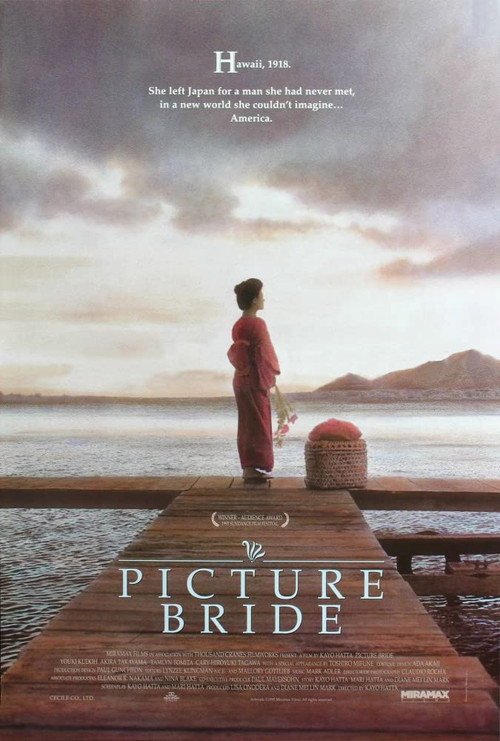
Picture Bride is a significant work of historical revisionism that challenges conventional cinematic depictions of the American immigrant experience. It moves away from the 'melting pot' cliché to offer a systemic analysis of identity under pressure. The film excels by centering the intersection of gender, race, and class. By focusing on the specific experiences of Japanese immigrant women, it prioritizes diverse perspectives over dominant Western historical narratives. While the film lacks LGBTQ+ or disability-specific representation, its strength lies in its ethnic specificity and its sophisticated critique of the capitalist-driven labor environments of the early 20th century.
Category Breakdown
The film focuses on the picture bride system and does not include any queer subtext or non-cisgender identities.
The story centers around the female experience within a patriarchal migration framework. Riyo's struggle for control and her support for Kana emphasize female resilience.
The film uses an all-Asian cast to represent the Japanese diaspora, avoiding whitewashing. It effectively explores racial hierarchies within the Hawaiian plantation economy.
The film critiques Western economic structures by depicting the plantation system as a source of hardship. It examines the tension between Japanese values and the American social order.
While the film shows the physical and psychological impact of labor, there are no characters defined by visible or invisible disabilities that drive the narrative.
Present on Screen
Limited or Absent
Official Synopsis
Riyo, an orphaned 17-year old, sails from Yokohama to Hawaii in 1918 to marry Matsuji, a man she has never met. Hoping to escape a troubled past and start anew, Riyo is bitterly disappointed upon her arrival: her husband is twice her age. The miserable girl finds solace with her new friend Kana, a young mother who helps Riyo accept her new life.
2011

2015
2016
2001
2017
2001

1997

2005
No reviews yet. Be the first to share your thoughts on this movie!
Use the rating form above to leave a star rating and optional review.