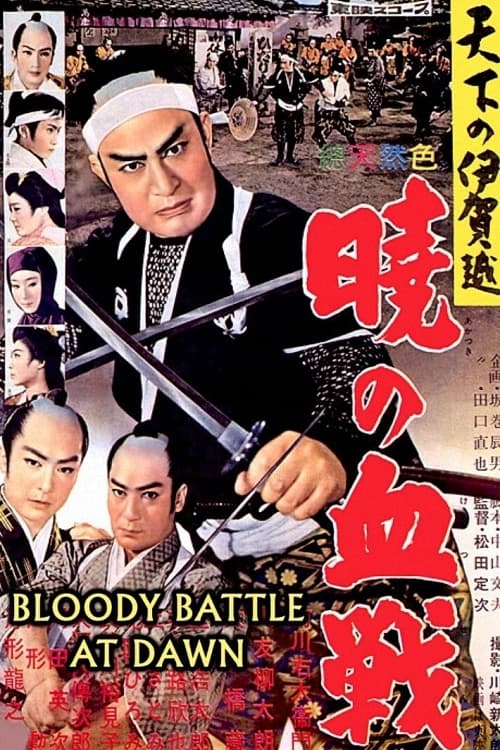
Bloody Battle at Dawn
1959
No user ratings available yet
Representation score: 2.9 out of 10

Representation Score
Fair
1935
Director
Teinosuke Kinugasa
Runtime
97 minutes
Average Rating
No ratings yetNew Showbiz Analysis
Teinosuke Kinugasa’s film offers a sophisticated exploration of identity through the lens of traditional Kabuki theater. By focusing on an onnagata, the narrative challenges fixed gender roles and explores non-traditional expressions. Despite the culturally homogeneous cast, the film provides a significant non-Western perspective. The themes of personal honor and the performative nature of truth offer a nuanced examination of justice that diverges from typical genre conventions. Ultimately, the film's strength lies in its use of theatrical artifice to explore the fluidity of identity and individual ability to act within a historically specific framework.
Category Breakdown
The film includes a male actor portraying female roles, known as an onnagata, which reflects a traditional Kabuki practice rather than contemporary LGBTQ+ identity politics.
Gender roles are questioned through the use of an onnagata, where the protagonist employs femininity as a strategic tool for revenge, indicating that gender can be performed rather than inherent.
The cast is primarily Japanese, reflecting the film's cultural origins. Despite this homogeneity, the film offers a significant non-Western viewpoint during the 1930s.
The story delves into personal retribution and honor outside formal institutions, using the actor's mask to suggest that truth can be performative and context-dependent.
There is no indication of the portrayal of physical or neurodivergent disabilities in this film.
Present on Screen
Limited or Absent
Official Synopsis
An onnagata (female impersonator) of a Kabuki troupe avenges his parents' deaths. Remade in 1963 as Yukinojô Henge.
1959

1952

1937

2015
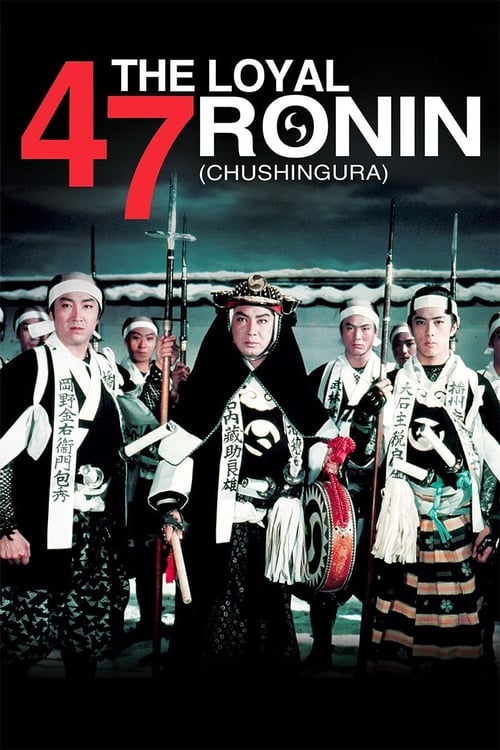
1958
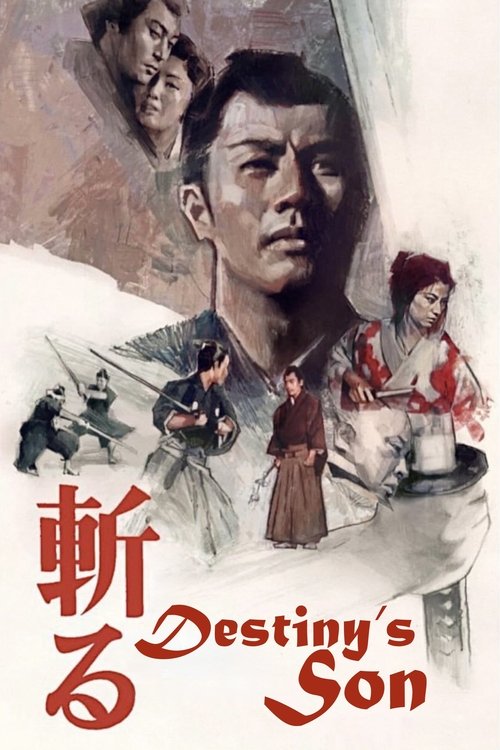
1962

1963
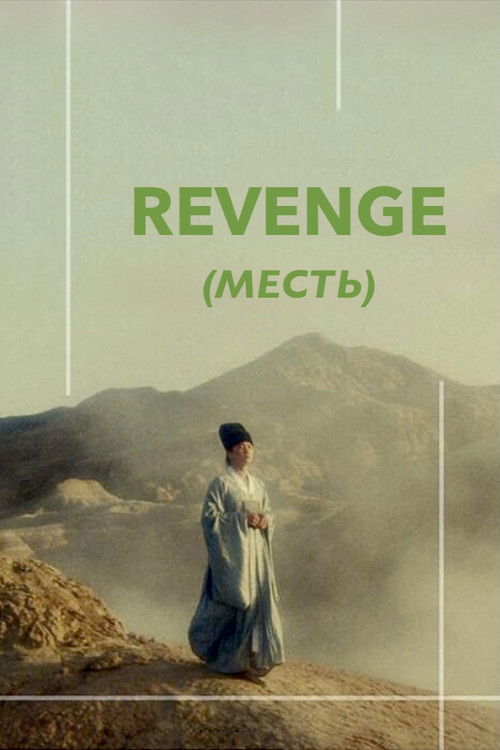
1990
No reviews yet. Be the first to share your thoughts on this movie!
Use the rating form above to leave a star rating and optional review.